


Anak Krakatau Eruption Brings Spike in Respiratory Cases in Bandarlampung
Translated from Indonesian and summarized by DistantNews. Read the original for the full story.
At a glance
News
Named sources
Ongoing story
- Bandarlampung recorded 716 acute respiratory infection cases on Sept. 7, up from 527 on Sept. 4.
- Health officials said the increase coincided with Mount Anak Krakatau's eruption but cautioned that short-term data cannot confirm volcanic ash as the cause.
- The city will validate reports and request daily updates from health centers, while pneumonia, asthma, COPD, eye irritation and dermatitis cases remain stable.
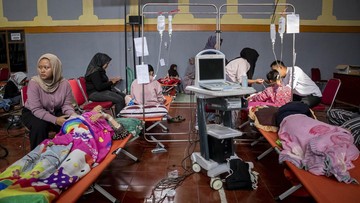
Bandarlampung recorded 716 acute respiratory tract infection cases on Sept. 7, a sharp increase from 527 cases three days earlier, according to the city's early warning and response system.
It reached 716 cases on September 7, 2026.
Muhtadi Arsyad Tumenggung, head of the Bandarlampung City Health Office, said the number rose to 632 cases on Sept. 5 before reaching 716 on Sept. 7. The increase appeared in several sub-districts, including East Telukbetung, Kedamaian, Rajabasa, South Telukbetung, Sukarame and Central Tanjungkarang.
The rise coincided with the eruption of Mount Anak Krakatau. Muhtadi cautioned, however, that the short-term figures do not yet establish that volcanic ash directly caused the respiratory problems. The health office said it would strengthen surveillance to assess the situation more fully.
This spike in respiratory tract infections coincides with the eruption of Mount Anak Krakatau.
Other conditions that could be associated with deteriorating air quality, including pneumonia, asthma, chronic obstructive pulmonary disease, eye irritation and dermatitis, remained normal and stable. Officials will check the reported figures for duplicate or incorrectly entered cases and request daily reports from public health centers across the city.
To paint a most accurate picture of case developments and to detect any changes in disease patterns in the community as early as possible.
About this summary
Originally published by Tempo in Indonesian. Translated, summarized, and contextualized automatically by DistantNews, with a note on how the source frames the story. Not individually reviewed before publishing. How this works.
More Stories


From Our Blog

News in Translation: What Gets Lost, and How We Keep the Framing

Diaspora Media: How Communities Follow News From Home

Traveling Where the Press Is Not Free: How to Read the News There

The Digital Nomad's Guide to Local News

The Same Story, Different Countries: How Coverage Changes at the Border
