



Analysis: Meta's AI splurge reveals its compute conundrum
Translated from English, summarized and contextualized by DistantNews.
At a glance
Analysis
Named sources
Context piece
- Meta CEO Mark Zuckerberg signaled the company's strategy to both develop its own AI and rent out computing capacity.
- Investors reacted negatively, with Meta's stock falling 9% premarket after the company reported a 91% drop in free cash flow.
- The company faces a challenge in balancing its massive AI investments with generating revenue, as renting compute could divert resources from its AI model development.
Meta CEO Mark Zuckerberg outlined a dual strategy for the company's vast computing resources: fueling its own artificial intelligence ambitions while simultaneously renting out scarce capacity to generate returns. However, investors appear unconvinced, as evidenced by a 9% premarket stock drop following the company's second-quarter earnings report.
We believe that there will continue to be a significantly higher margin on selling intelligence rather than selling compute directly, but we think that there's a big opportunity obviously to sell compute as well.
Meta's aggressive spending on AI infrastructure, including chips, servers, energy, and data centers, resulted in a dramatic 91% decrease in free cash flow compared to the previous year, leaving only $784 million for operations and growth. Zuckerberg defended this approach, framing compute as a critical strategic asset that Meta must retain and build upon, rather than selling it solely for short-term profit. He acknowledged, however, that the company has received lucrative offers for its computing power from businesses eager to deploy their own AI initiatives.
This tension between internal development and external revenue generation lies at the core of Meta's challenge. Renting out computing power could alleviate its current cash-flow pressures. Yet, doing so would divert essential resources away from Meta's own ambitious AI model development and service deployment. The company, which built its empire on advertising revenue from Facebook and Instagram, is now vying with tech giants like Microsoft, Alphabet, and Amazon in the enterprise AI market.
There is a lead time where we're investing in building out these data centers now. They come online at some point in the future. You obviously are not getting value out of them until they're online.
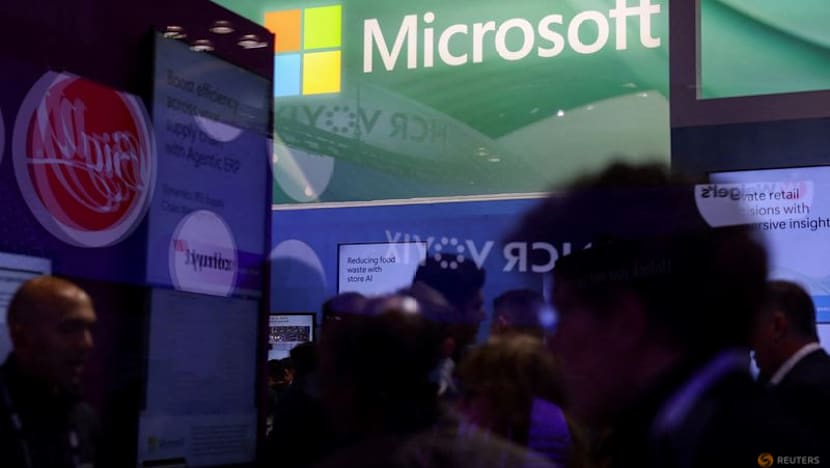
While Microsoft has demonstrated success with its AI investments, reporting strong growth in its Azure cloud unit and Copilot assistant, Meta's strategy appears different. Zuckerberg envisions AI-powered personal assistants as a mass-market product and business agents assisting companies with customer service and sales. Despite these broad ambitions, he offered few concrete details on how these ventures would justify Meta's enormous AI expenditures. Meta is investing ahead of demand, building data centers that will come online in the future, a strategy that requires significant upfront capital without immediate returns. As one analyst noted, Meta is "spending like a hyperscaler without a hyperscaler's business model."
Meta is spending like a hyperscaler without a hyperscaler's business model.
DistantNews Editorial
Originally published by CNA in English. Translated, summarized, and contextualized by our editorial team with added local perspective. Read our editorial standards.
More Stories
From Our Blog

What Gets Lost (and Found) When News Is Translated

The Critical Role of Diaspora Media in Global News

What Travellers Should Know About Countries with Restricted Press

A Digital Nomad's Guide to Following Local News

How the Same Story Looks Different in Different Countries
