

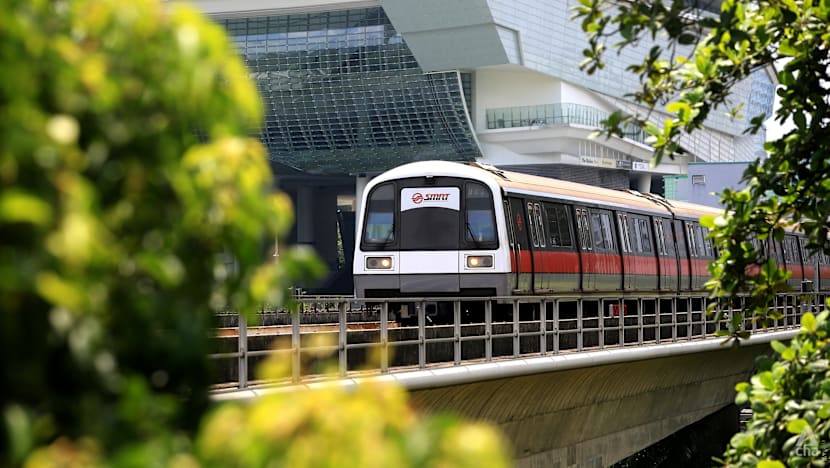

Analysis: Musk pushes regulatory limits with Tesla’s Cybercab robotaxi service
Translated from English and summarized by DistantNews. Read the original for the full story.
At a glance
Analysis
Named sources
Ongoing story
- Tesla has begun offering rides in Cybercab robotaxis in Austin, Texas, while the U.S. National Highway Traffic Safety Administration audits about 1,000 vehicles.
- The two-seat cars lack steering wheels, pedals and mirrors, creating questions about compliance with federal safety standards written for human-driven vehicles.
- Experts say Tesla’s self-certification system and Elon Musk’s willingness to challenge regulators could allow wider deployment before rules catch up.
Tesla’s Cybercab has begun carrying riders in Austin, but the launch immediately ran into a regulatory question: how can a car without a steering wheel, pedals or mirrors comply with safety rules written for human drivers?
Only hours after a downtown Austin event marking the rollout, the National Highway Traffic Safety Administration opened an audit of about 1,000 Cybercab vehicles. The agency is examining how Tesla determined that the cars comply with federal vehicle-safety regulations.
I don’t think there is a reasonable interpretation that can be made to suggest that the Cybercab can comply with the Federal Motor Vehicle Safety Standards.
Tesla said Cybercab rides were open to everyone, and executives discussed pricing plans without clearly saying whether passengers would already be charged. The golden, butterfly-door vehicles have joined Tesla’s existing robotaxi fleet, which operates Model Y sport utility vehicles.
Tesla historically has tested limits and pushed boundaries on regulations.
The launch tests a distinctive feature of the U.S. regulatory system. Unlike most countries, the United States allows automakers to put new vehicle models and technologies on public roads by self-certifying that they meet federal standards. Those standards, however, require manual controls and were developed for vehicles driven by people.
“I don’t think there is a reasonable interpretation that can be made to suggest that the Cybercab can comply with the Federal Motor Vehicle Safety Standards,” said Michael Brooks, executive director of the Center for Auto Safety. Carnegie Mellon engineering professor Philip Koopman said Tesla had historically tested regulatory boundaries and that he expected the company to do so again.
I fully expect Tesla to test the limits.
Koopman said Tesla could offer a “creative interpretation” of the rules, claim that Cybercabs comply and flood the market. Regulators could then take years to resolve the issue while the vehicles continued operating on public roads. NHTSA is working to change safety standards and draft rules for driverless vehicles, but experts say those efforts are likely to move more slowly than Musk’s plans. Tesla did not respond to requests for comment.
creative interpretation
About this summary
Originally published by CNA in English. Translated, summarized, and contextualized automatically by DistantNews, with a note on how the source frames the story. Not individually reviewed before publishing. How this works.
More Stories

From Our Blog

News in Translation: What Gets Lost, and How We Keep the Framing

Diaspora Media: How Communities Abroad Follow Home

Traveling Where the Press Is Not Free: How to Read the News There

The Digital Nomad's Guide to Local News

The Same Story, Different Countries: How Coverage Changes at the Border
