


Analysis: Pakistan's 2026-27 Budget: Can the Nation Afford to Delay Its Dams?
Translated from English, summarized and contextualized by DistantNews.
At a glance
Analysis
Named sources
Context piece
- Pakistan's budget for water and hydropower projects in 2026-27 is set at Rs179 billion, significantly less than the estimated Rs500 billion needed.
- Officials warn this low allocation could slow down major dam and power projects, potentially causing delays for projects like Diamer-Bhasha and Dasu.
- Experts stress the urgent need for increased investment in water infrastructure for water security, flood management, and affordable energy, especially amid concerns over India's upstream water developments.
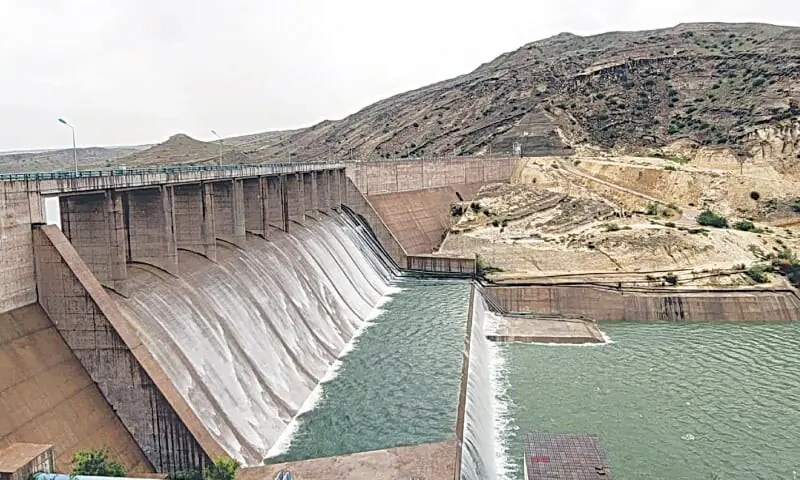
Pakistan's persistent underinvestment in water storage and hydropower infrastructure is once again a critical concern, with the government proposing to allocate only Rs179 billion for the sector in the Public Sector Development Programme (PSDP) 2026-27. This amount falls far short of the estimated Rs500 billion experts say is essential to accelerate work on major ongoing hydropower projects, reservoirs, and flood mitigation schemes.
At a time when our country faces mounting water scarcity and growing need for affordable and clean energy, the water and power sectors appear to have received less attention in public investment priorities, with development allocations falling short of the resources required for the timely completion of critical ongoing projects and the launch of new water infrastructure schemes.
The proposed allocation has sparked worries about the pace of crucial projects like the Diamer-Bhasha and Dasu dams, which are vital for the nation's water, food, and energy security. At a time when Pakistan grapples with recurring floods, diminishing per capita water availability, and high electricity costs, officials and experts emphasize that accelerated investment in water infrastructure is indispensable for managing climate change impacts and producing clean, reliable, low-cost electricity for sustainable economic growth.
A senior Water and Power Development Authority (Wapda) official, speaking anonymously, expressed concern that the water and power sectors are receiving insufficient attention in public investment priorities. "With just Rs179bn, we may not be able to start work on new dams, including the Chiniot Dam on the Chenab, which is currently at an advanced stage ahead of its launch," the official stated, highlighting that the meager funding would also impact ongoing multibillion-dollar projects already losing momentum due to insufficient funding in the previous fiscal year.
What will we do with this limited allocation for such major ongoing projects? The government should place the water and power sector at the top of its budget priorities by allocating at least Rs500bn.
Pakistan urgently requires enhanced water security, reduced flood and drought impacts, and affordable electricity. The situation is further complicated by growing concerns over India's upstream water developments on western rivers, particularly the Chenab. Experts argue that prioritizing the water and power sector with at least Rs500 billion in the budget is crucial to address these multifaceted challenges and ensure the country's future stability and growth.
With just Rs179bn, we may not be able to start work on new dams, including the Chiniot Dam on the Chenab, which is currently at an advanced stage ahead of its launch.
DistantNews Editorial
Originally published by Dawn in English. Translated, summarized, and contextualized by our editorial team with added local perspective. Read our editorial standards.
More Stories

From Our Blog

What Gets Lost (and Found) When News Is Translated

The Critical Role of Diaspora Media in Global News

What Travellers Should Know About Countries with Restricted Press

A Digital Nomad's Guide to Following Local News

How the Same Story Looks Different in Different Countries
