

![[Analysis] US tactical nuclear dilemma](https://dimg.donga.com/wps/NEWS/IMAGE/2026/08/09/134446392.1.jpg)
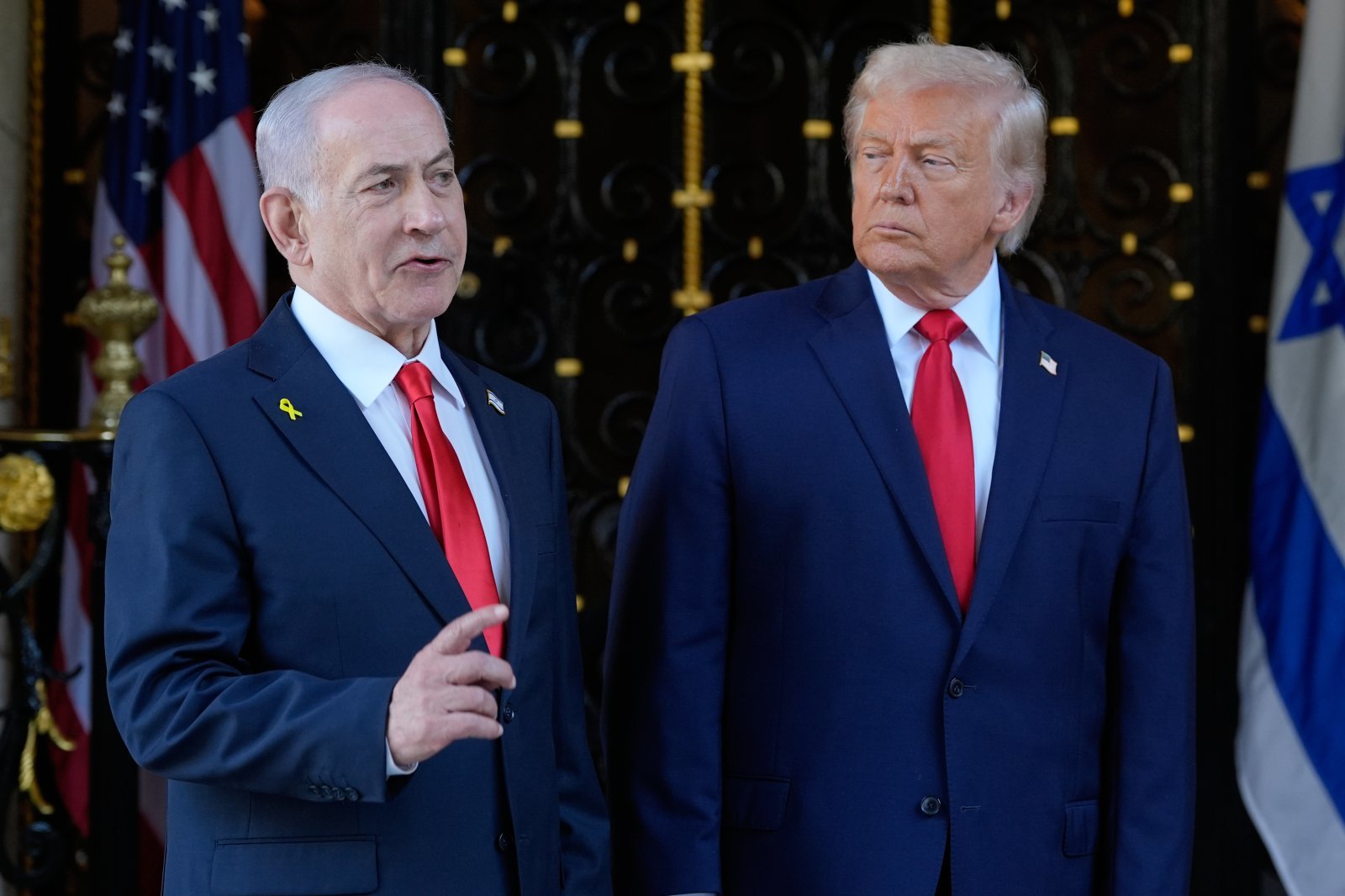
[Analysis] US tactical nuclear dilemma
Translated from Korean, summarized and contextualized by DistantNews.
At a glance
Analysis
Sources not specified
Context piece
- The U.S. is considering expanding the role of short-range tactical nuclear weapons to bolster allied defense against potential Chinese and Russian attacks.
- This potential shift in nuclear strategy is being driven by figures like Under Secretary of Defense for Policy Elbridge Colby.
- Deploying tactical nuclear weapons to South Korea or Japan could increase tensions, potentially hindering denuclearization talks with North Korea and escalating regional military competition.
The United States is reportedly exploring a significant shift in its nuclear doctrine, moving to expand the role of short-range tactical nuclear weapons. This potential change aims to enhance allied defense capabilities against perceived threats from China and Russia, according to a report.
The current U.S. nuclear doctrine, centered on its triad of intercontinental ballistic missiles, strategic nuclear submarines, and strategic bombers, emphasizes deterrence. The Obama administration defined the sole purpose of U.S. nuclear weapons as deterring nuclear attacks, relying on the concept of 'balance of terror' to prevent escalation.
However, the Trump administration initiated a review of nuclear strategy, considering new options for allied defense. The focus is on increasing the utility of tactical nuclear weapons, which are seen as more usable in limited conflicts, to provide credible 'nuclear options' for allies. This move is partly driven by concerns over China and Russia's development of lower-yield tactical nuclear weapons. Elbridge Colby, Under Secretary of Defense for Policy, is a key figure advocating for this strategic reorientation, aligning with the new National Defense Strategy that prioritizes defense spending increases for allies and U.S. focus on deterring China.
Such a deployment could have significant implications for East Asian allies. While Japan maintains a non-nuclear principle, there have been discussions about reconsidering the 'no introduction' clause. South Korea, facing repeated nuclear threats from North Korea, could see enhanced extended deterrence. However, the reintroduction of tactical nuclear weapons to the Korean Peninsula, which were withdrawn in 1991, could severely damage prospects for denuclearization talks with North Korea. It could also provoke backlash from China and fuel a regional nuclear arms race, intensifying military tensions in Northeast Asia.
DistantNews Editorial
Originally published by Dong-A Ilbo in Korean. Translated, summarized, and contextualized by our editorial team with added local perspective. Read our editorial standards.
More Stories


From Our Blog

What Gets Lost (and Found) When News Is Translated

The Critical Role of Diaspora Media in Global News

What Travellers Should Know About Countries with Restricted Press

A Digital Nomad's Guide to Following Local News

How the Same Story Looks Different in Different Countries
