

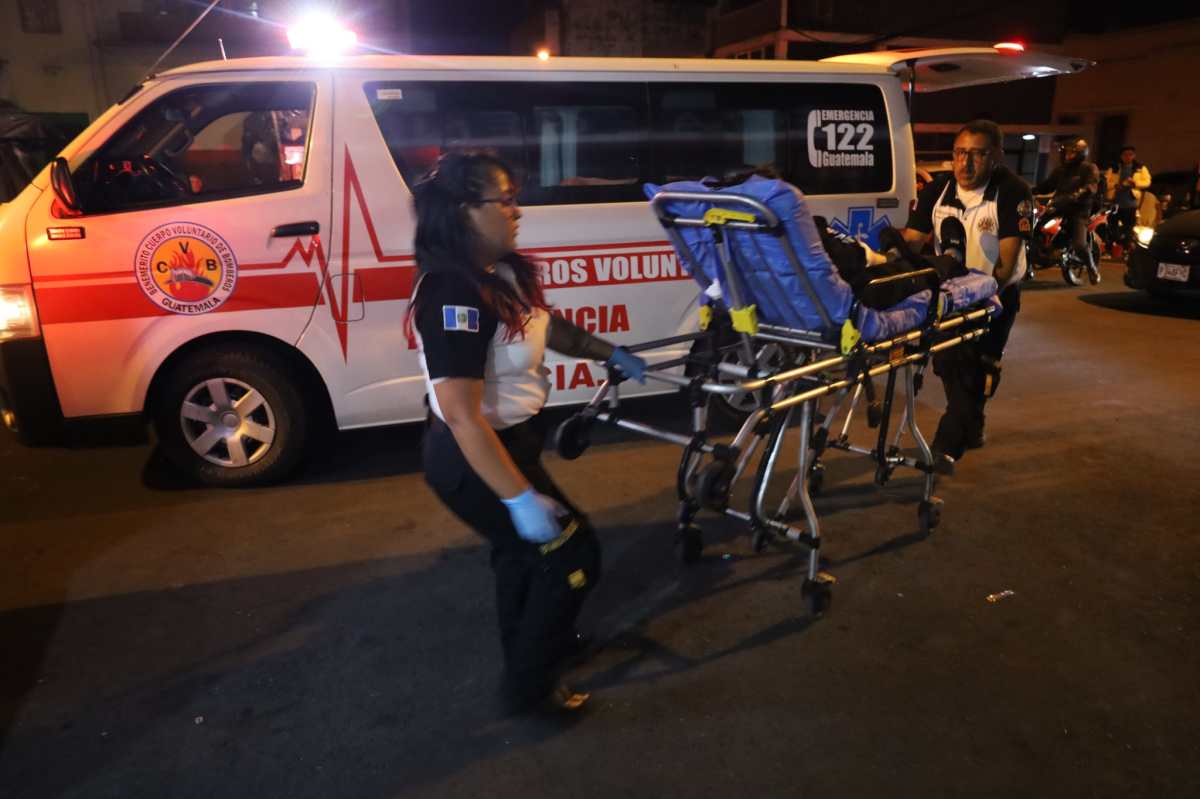
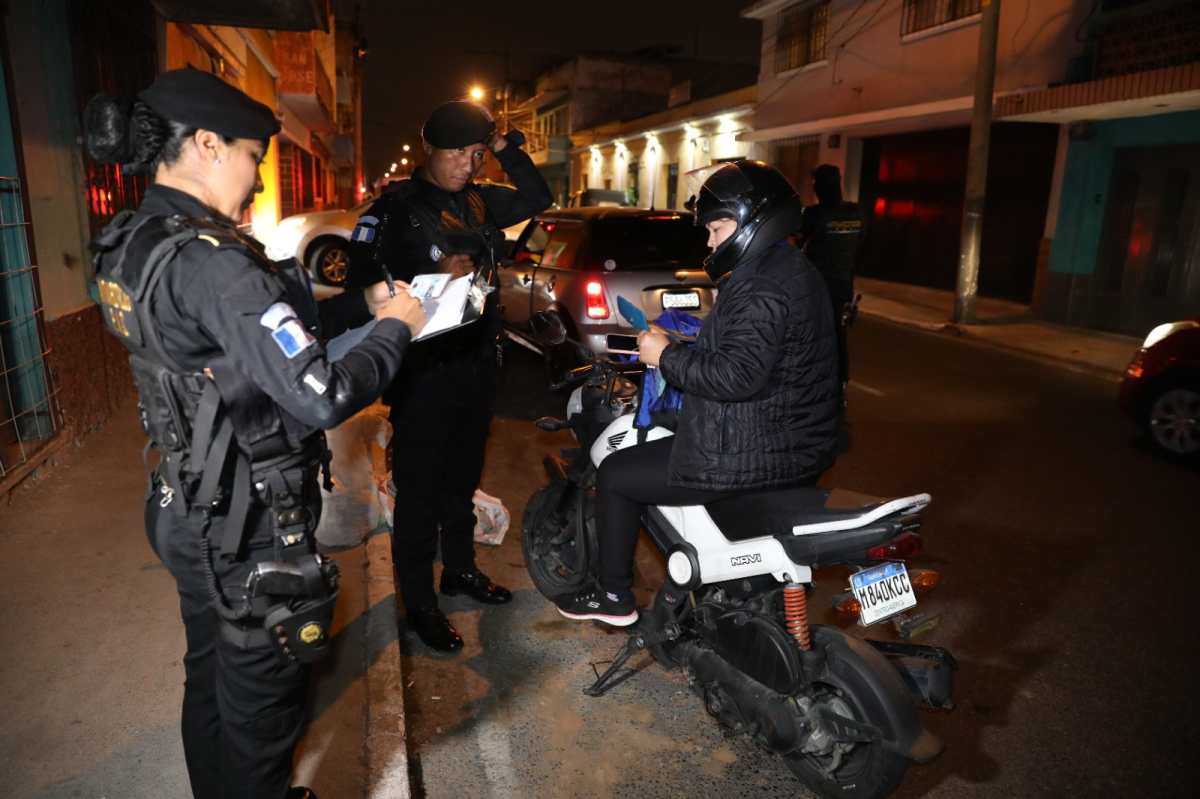
Analysts See Limited Results and Warn of Risks from Prolonging Prevention State
Translated from Spanish, summarized and contextualized by DistantNews.
TLDR
- Guatemala's government has extended a state of prevention for 15 days in four departments, a measure previously implemented as a state of siege.
- Analysts acknowledge a decrease in reported crimes like extortion and homicide but caution that results are limited and do not address root causes of insecurity.
- Experts warn that prolonged states of exception erode citizen guarantees and that security policies should focus on structural issues rather than temporary measures.
Prensa Libre, a leading Guatemalan newspaper, critically examines the government's decision to extend the state of prevention, a security measure that has seen multiple renewals since December 2025. While acknowledging reported decreases in certain crimes, the publication, through its analysis of expert opinions, highlights significant concerns about the measure's effectiveness and long-term implications.
These are data that come from the Ministry of the Interior and are not necessarily endorsed by other organizations.
The article emphasizes the skepticism of researchers like Carmen Rosa de León, who questions the government's reported statistics, noting they are not independently verified and may not reflect the public's lived experience of insecurity. De León points out the lack of clarity on what makes the 'state of prevention' uniquely effective and warns against its normalization, stressing that such measures should not become a permanent fixture of public safety policy. The reliance on reported crimes also overlooks the 'dark figure' of unreported incidents, making a true assessment of impact difficult.
The perception in some neighborhoods remains that there is high crime.
Furthermore, Prensa Libre gives voice to concerns raised by Pedro Cruz of Crime Stoppers, who argues that the continuous use of exceptional security measures indicates a failure to address the underlying structural problems fueling violence and crime in Guatemala. Cruz cautions against measuring success solely by immediate incident reduction, advocating instead for a focus on regaining territorial control, strengthening institutions, and reducing violence through sustainable means, rather than extraordinary legal tools.
It would be interesting to know what is different that a state of Prevention can provide to obtain these results.
From a Guatemalan perspective, the debate reflects a deep-seated concern about the balance between security and civil liberties. The repeated use of states of exception, even if initially intended to curb specific crises, risks becoming a tool that gradually erodes fundamental citizen guarantees. Prensa Libre's reporting underscores the local demand for security policies that are not only effective in the short term but also sustainable, rights-respecting, and genuinely aimed at resolving the deep-rooted causes of insecurity, rather than merely managing its symptoms.
It is not correct to be in a permanent state of Prevention.
DistantNews Editorial
Originally published by Prensa Libre in Spanish. Translated, summarized, and contextualized by our editorial team with added local perspective. Read our editorial standards.
More Stories
From Our Blog

What Gets Lost (and Found) When News Is Translated

The Critical Role of Diaspora Media in Global News

What Travellers Should Know About Countries with Restricted Press

A Digital Nomad's Guide to Following Local News

How the Same Story Looks Different in Different Countries
