


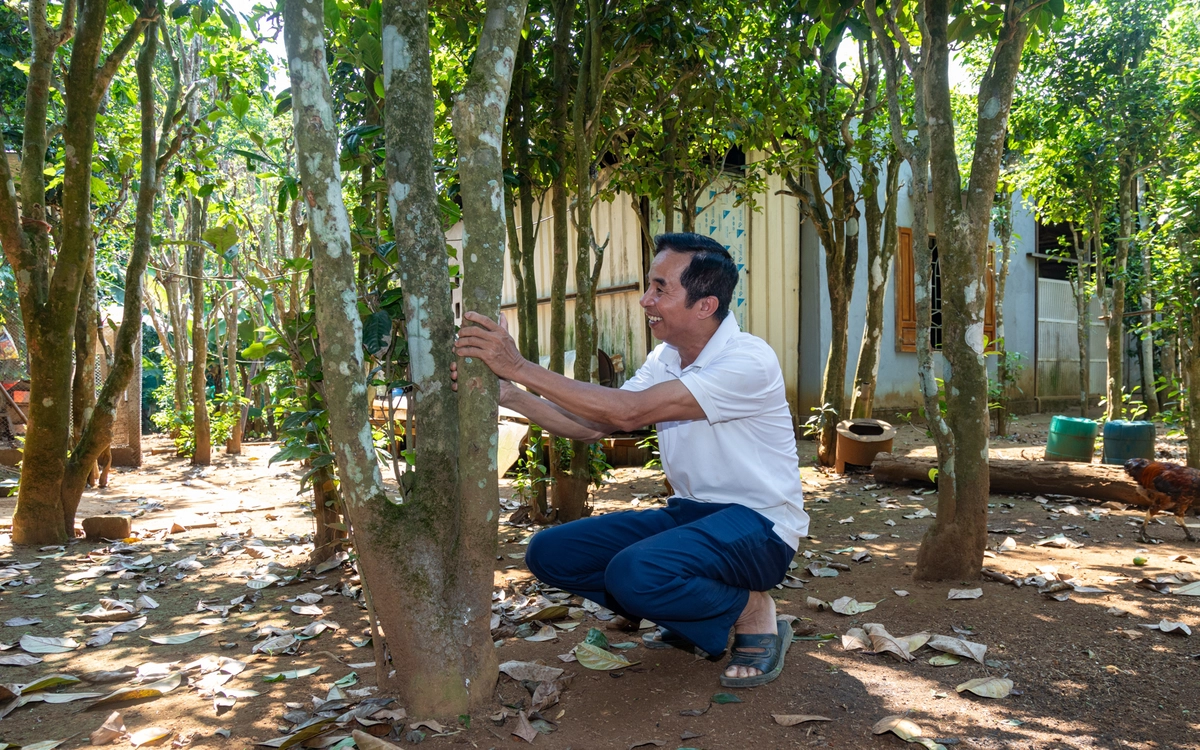
Ancient tea gardens in Vietnam's Quảng Trị province linked to King Hàm Nghi's decree
Translated from Vietnamese, summarized and contextualized by DistantNews.
At a glance
In-depth
Sources not specified
Context piece
- Vietnam's Cam Lộ commune in Quảng Trị province preserves 20 hectares of tea gardens aged 100-200 years.
- These ancient tea trees, once frequented by King Hàm Nghi during his Cần Vương decree in 1885, are now being considered for eco-tourism development.
- Local authorities aim to protect these heritage tea gardens, explore processing into medicinal products, and integrate them with historical sites.
In the Cam Lộ commune of Vietnam's Quảng Trị province, ancient tea gardens dating back one to two centuries stand as living testaments to history. These venerable trees, with their gnarled, moss-covered trunks, create a serene atmosphere in local homes, where residents like Hoàng Thị Thoại, 76, continue the tradition of harvesting fresh tea leaves daily.
These tea gardens hold deep historical significance, having been present when King Hàm Nghi issued the Cần Vương decree in 1885. Local lore suggests the tea from this region was served to the king and his retinue. Today, the area is home to the Temple of King Hàm Nghi and Cần Vương loyalists, preserving the memory of that era.
Recognizing their unique heritage, local authorities are developing plans to integrate these ancient tea gardens into eco-tourism initiatives. The goal is to promote agricultural development alongside tourism, highlighting the tea as a signature product. Efforts are underway to identify and protect the most beautiful and oldest tea gardens, linking them with historical sites like the King Hàm Nghi Temple and ancient wells.
Beyond tourism, there's a push to enhance the value of the tea through processing. Research is exploring avenues such as medicinal tea products, tea bags, and OCOP-certified goods. Simultaneously, residents are encouraged to preserve the old trees and intercrop them with other plants to diversify income. This initiative seeks to balance conservation with economic development, ensuring the legacy of these ancient tea gardens endures.
DistantNews Editorial
Originally published by Tuổi Trẻ in Vietnamese. Translated, summarized, and contextualized by our editorial team with added local perspective. Read our editorial standards.
More Stories



From Our Blog

What Gets Lost (and Found) When News Is Translated

The Critical Role of Diaspora Media in Global News

What Travellers Should Know About Countries with Restricted Press

A Digital Nomad's Guide to Following Local News

How the Same Story Looks Different in Different Countries
