

Andrés Tovar faces charges in alleged fraud case against Imagen Televisión
Translated from Spanish, summarized and contextualized by DistantNews.
At a glance
News
Named sources
In the courts
- Producer Andrés Tovar has been formally charged in a case involving alleged fraud and false declarations against Imagen Televisión.
- Tovar claims the network owes him payments for his work and that the charges are retaliation for his civil lawsuit.
- The legal process is ongoing, with both sides expected to present evidence to a judge.
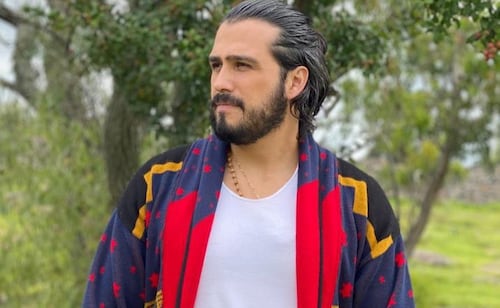
Mexican producer Andrés Tovar is facing legal proceedings after being formally charged with alleged fraud and making false statements against Imagen Televisión. This development follows a complex dispute over payments for his work on various programs.
The charges mean that sufficient evidence exists to subject Tovar to a legal process, though it does not automatically imply guilt or necessitate imprisonment. He may pursue legal avenues, such as an amparo, to face the proceedings while remaining at liberty. Both the prosecution and Tovar's defense are now tasked with gathering evidence for a judge to review.
Fourteen months after filing the civil lawsuit, they filed a criminal complaint against me for alleged false declaration and procedural fraud.
The situation began in 2024 when Tovar asserted that Imagen Televisión had failed to pay him for his contributions. After his civil lawsuit for these payments yielded no positive response, the network reportedly filed a criminal complaint against him. Tovar, who worked on shows like “Sale el sol” and “Acércate a Rocío,” claims he created the projects over thousands of hours and that his work was not compensated.
Tovar maintains his innocence, stating on social media, “I firmly believe that defending the work done, demanding the recognition of copyright should not be a reason for persecution or criminalization. I trust the institutions and that the facts will be clarified as the process progresses.” He asserts that the network's actions constitute retaliation for his pursuit of rightful payment.
I firmly believe that defending the work done, demanding the recognition of copyright should not be a reason for persecution or criminalization. I trust the institutions and that the facts will be clarified as the process progresses.
DistantNews Editorial
Originally published by El Universal in Spanish. Translated, summarized, and contextualized by our editorial team with added local perspective. Read our editorial standards.
More Stories

From Our Blog

What Press Freedom Means for the News You Read

What Gets Lost (and Found) When News Is Translated

The Critical Role of Diaspora Media in Global News

What Travellers Should Know About Countries with Restricted Press

A Digital Nomad's Guide to Following Local News
