


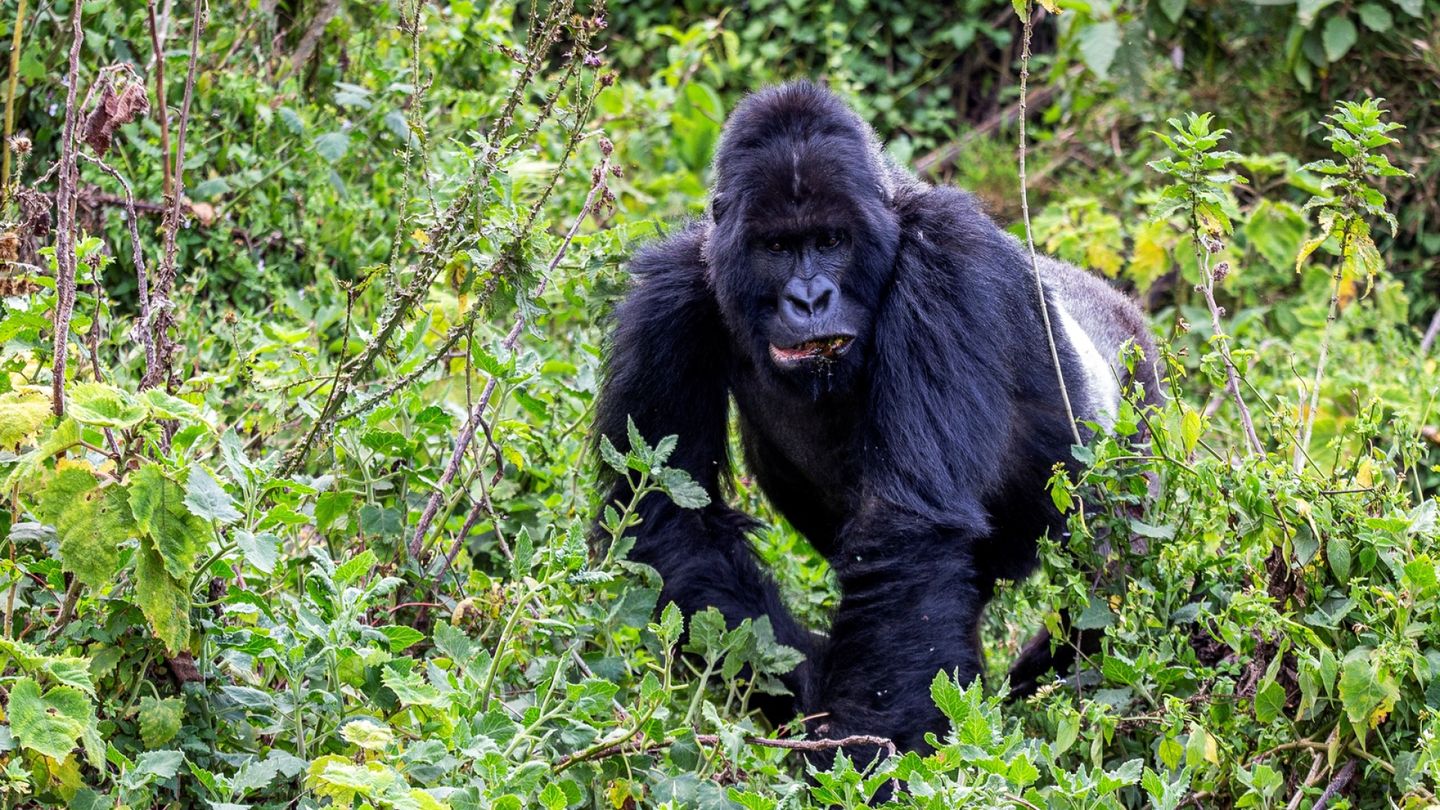
Animal humor, baby teeth, and the formation of volcanoes explained
Translated from Finnish, summarized and contextualized by DistantNews.
At a glance
Explainer
Named sources
Context piece
- Some animals, particularly great apes like gorillas, exhibit signs of humor, often through playful teasing or slapstick-like antics.
- Human baby teeth, or milk teeth, serve as a temporary set that allows permanent teeth to develop without crowding and aids in learning dental care.
- Volcanoes form because the Earth's interior is extremely hot, causing molten rock (magma) to rise and erupt on the surface.
The animal kingdom may possess a sense of humor, with great apes like gorillas showing clear signs of playful teasing and antics that resemble slapstick comedy. Famous examples include gorillas like Koko, who learned sign language and engaged in humorous interactions, and other primates, mammals, birds, and parrots that display playful behavior.
In human development, the presence of milk teeth, or baby teeth, plays a crucial role. These temporary teeth allow permanent teeth to develop gradually without overcrowding the jaw. They also provide an opportunity for children to learn proper dental hygiene before the arrival of permanent teeth, which are designed for a longer lifespan and more efficient chewing.
Geologically, volcanoes are a result of Earth's intense internal heat. Molten rock, known as magma, rises from the planet's core due to its lower density compared to solid rock. Where this magma finds a path to the surface, it erupts as lava or ash, creating volcanic formations. The Earth's core temperature is comparable to that of the Sun, driving these powerful geological processes.
DistantNews Editorial
Originally published by Helsingin Sanomat in Finnish. Translated, summarized, and contextualized by our editorial team with added local perspective. Read our editorial standards.
More Stories

From Our Blog

What Gets Lost (and Found) When News Is Translated

The Critical Role of Diaspora Media in Global News

What Travellers Should Know About Countries with Restricted Press

A Digital Nomad's Guide to Following Local News

How the Same Story Looks Different in Different Countries
