

Animal Lovers Rescue Fire Salamander Larvae from Heat Death in Germany
Translated from German, summarized and contextualized by DistantNews.
At a glance
News
Sources not specified
Context piece
- Animal lovers in Mittelsachsen, Germany, rescued fire salamander larvae from a drying stream.
- Volunteers used buckets to bring water to the stream, preventing the larvae from dying due to heat.
- Eight larvae were saved and have a good chance of completing their metamorphosis into adult salamanders.
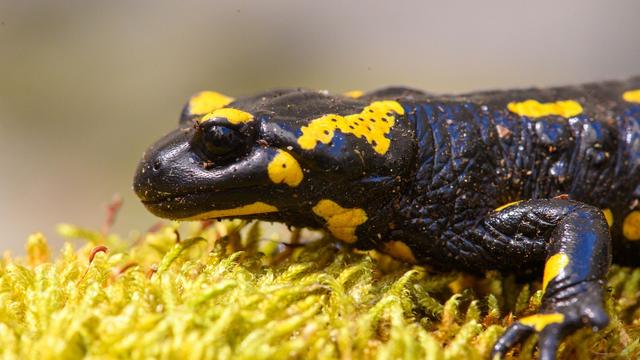
A group of dedicated animal lovers in Germany's Mittelsachsen district has taken decisive action to save a new generation of fire salamanders from the perils of extreme heat.
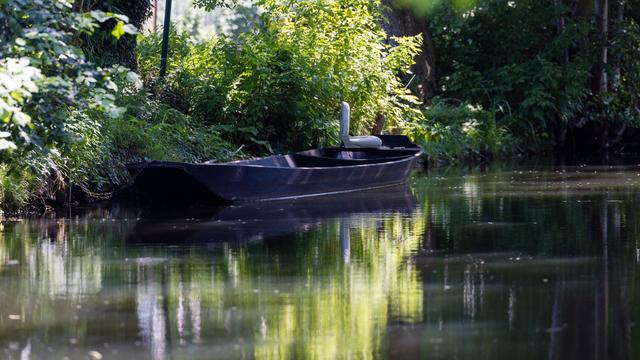
As a tributary of the Zschopau River began to dry up, threatening the survival of young fire salamander larvae, volunteers from the Bund für Umwelt und Naturschutz (BUND) intervened. They used buckets to transport water, replenishing the dwindling stream and ensuring the larvae could continue their development.
Thanks to their commitment, the animals were able to complete the metamorphosis crucial for their survival.
Their swift efforts have paid off, with eight larvae now having a strong chance of completing their metamorphosis and emerging as adult salamanders in the coming weeks. "Thanks to their commitment, the animals were able to complete the metamorphosis crucial for their survival," the BUND reported.
The fire salamander, a species considered highly endangered in Saxony, relies on cool, oxygen-rich spring streams in deciduous forests for its habitat and reproduction. The BUND highlights the salamander's vulnerability, noting that even small, intact water bodies are crucial for its survival, especially in the face of climate change. The organization warns that the current rainfall offers little respite, as the soil remains depleted from prolonged dry periods, affecting the deeper water sources essential for these amphibians.
The fire salamander is a warning signal: if even our last intact spring streams dry up, the system is failing.
DistantNews Editorial
Originally published by Die Zeit in German. Translated, summarized, and contextualized by our editorial team with added local perspective. Read our editorial standards.
More Stories

From Our Blog

What Gets Lost (and Found) When News Is Translated

How the Same Story Looks Different in Different Countries

The Critical Role of Diaspora Media in Global News

What Travellers Should Know About Countries with Restricted Press

A Digital Nomad's Guide to Following Local News
