

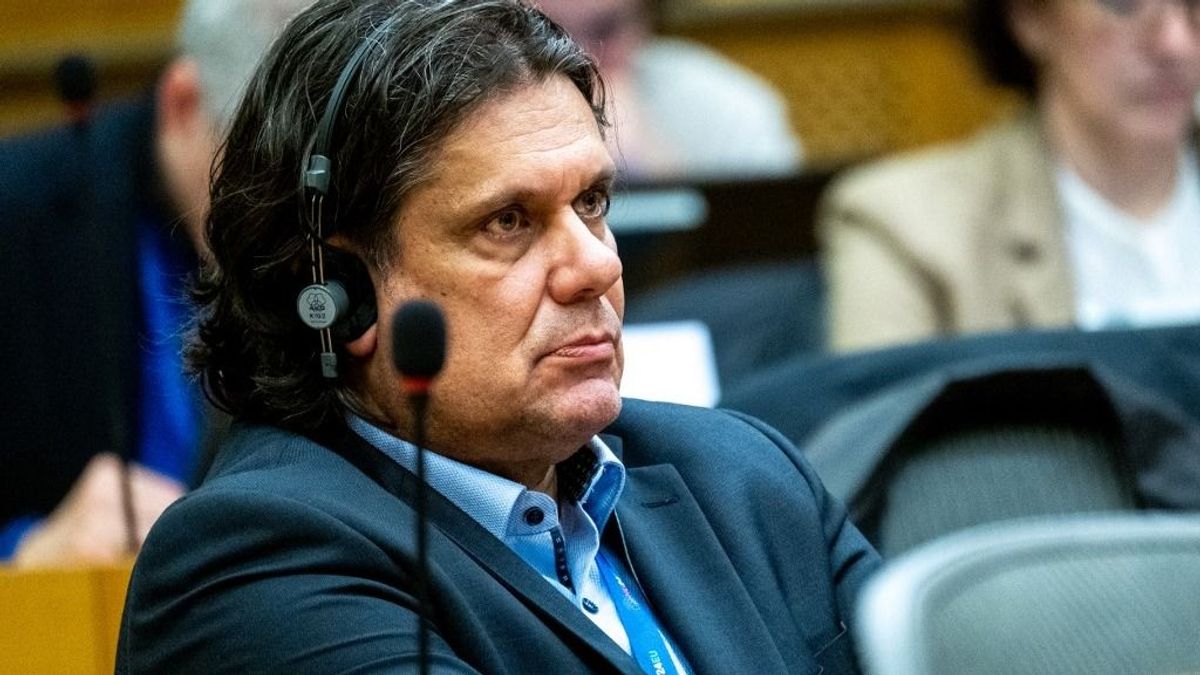

Another apparent measure, a bill instead of real governance
Translated from Hungarian, summarized and contextualized by DistantNews.
At a glance
Analysis
Sources not specified
Context piece
- Hungary's ruling parties are criticized for prioritizing symbolic measures over genuine governance, particularly regarding child protection and economic policies.
- The government's stance on abortion is questioned, with statistics showing a decrease in abortions since 2010, contrary to claims that a 'heartbeat decree' would increase them.
- The article also touches on economic issues, including fuel prices and Hungary's position on migration and the war in Ukraine, suggesting a lack of decisive action.
Hungary's ruling parties are facing criticism for what some perceive as a focus on superficial actions rather than substantive governance. This critique is particularly directed at their approach to child protection and economic policies.
The government party is less attached to the lives of fetuses.
A key point of contention is the proposed abolition of the "heartbeat decree," a measure related to fetal heartbeat detection before an abortion. While the ruling parties campaigned on a platform emphasizing child protection and promised not to curtail children's rights, their current actions suggest a less stringent stance on abortion. Statistics cited in the article indicate that registered abortions have significantly decreased since 2010, falling from 40,449 to an estimated 20,400 by 2025. Furthermore, it is suggested that approximately 1,300 fewer fetuses have died since the introduction of the heartbeat decree, contradicting claims that the decree would lead to more abortions.
The decree is heartless and has only resulted in more abortions.
The article also scrutinizes economic policies, referencing Magyar Péter's past demand for a fuel price of 480 forints per liter. It notes that this demand has softened since his party came to power, and the government is now hesitant to implement it. The Prime Minister's justification based on current oil prices is deemed only partially valid, as Brent crude prices were already rising sharply when the demand was made, and further increases were predictable due to geopolitical events.
The statistics show otherwise: according to registered data, while 40,449 abortions were performed in 2010, this number decreased to 20,400 by 2025. Since the introduction of the heartbeat decree, approximately 1,300 fewer fetuses had to die.
Additionally, the article points to the Prime Minister's apparent lack of engagement with pressing issues such as migration and the war in Ukraine, possibly due to a heavy schedule. It remains unclear whether Hungary will accept the migration pact in exchange for EU funds. However, concerning Ukraine, Hungary has signaled a willingness to participate in joint European efforts following discussions in Berlin, with the Prime Minister indicating readiness to meet with President Zelenskyy and not obstructing the start of accession talks.
While Magyar Péter campaigned in opposition, he demanded the restoration of the unrealistic fuel price of 480 forints, but after his government came to power, these intentions have faded, and his government is no longer inclined to implement them.
DistantNews Editorial
Originally published by Magyar Nemzet in Hungarian. Translated, summarized, and contextualized by our editorial team with added local perspective. Read our editorial standards.
More Stories


From Our Blog

Countries Without a Free Press: What You Need to Know

What Press Freedom Means for the News You Read

What Gets Lost (and Found) When News Is Translated

The Critical Role of Diaspora Media in Global News

What Travellers Should Know About Countries with Restricted Press
