

Another chaotic tender: What the Tisza wind farm bid now requires
Translated from Hungarian and summarized by DistantNews. Read the original for the full story.
At a glance
Analysis
Named sources
New plan
- Hungary’s Tisza wind farm tender added financial contributions to affected municipalities and annual payments linked to electricity generation as evaluation criteria.
- The new requirements could cost a 50-megawatt project an initial €2.5 million plus hundreds of thousands of euros annually, alongside taxes and a municipal purchase right.
- Critics say the tender removed preparation criteria, could enable speculative grid-capacity bids, and may place excessive burdens on developers.
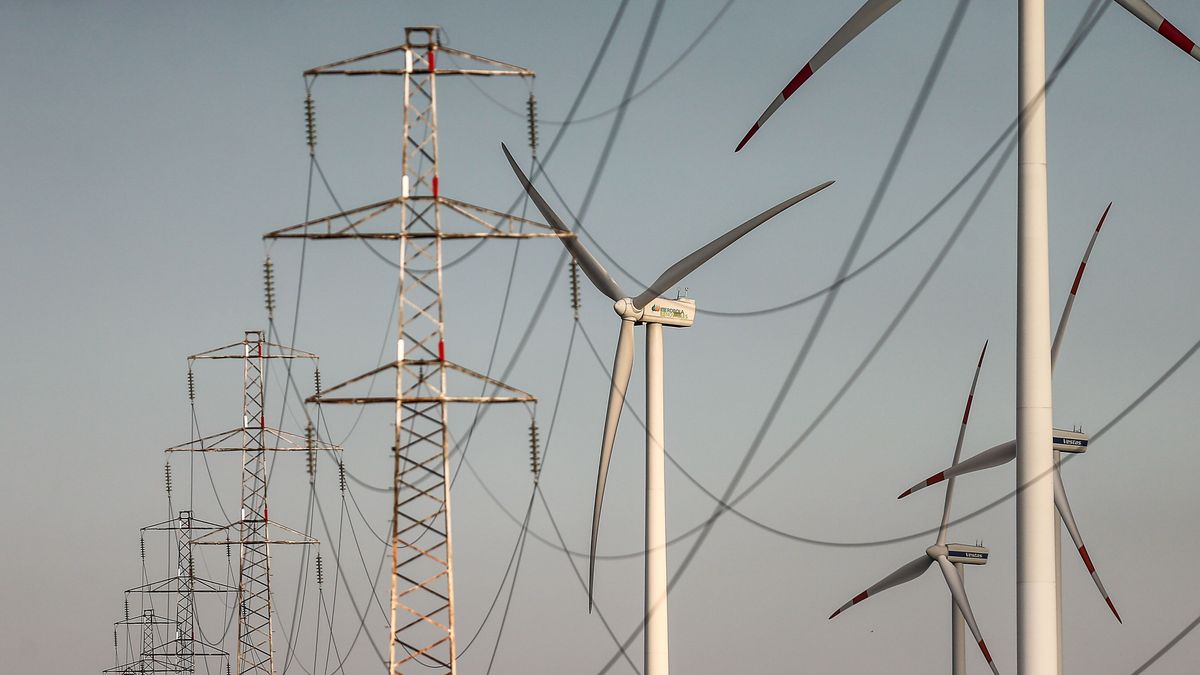
The latest wind farm tender could leave developers paying heavily before a single turbine begins operating. Two newly added evaluation criteria account for 36% of the score and require payments to municipalities affected by a project.
One is a one-time contribution tied to installed capacity. Bidders receive points for offering more than €10,000 per megawatt, while the top score requires €50,000 per megawatt. For a 50 MW project, that would mean a one-time payment of €2.5 million.
The second contribution depends on electricity fed into the grid. Bidders earn points above €2 per megawatt-hour, with the maximum awarded at €3. Depending on production, that could add several hundred thousand euros each year. Developers must also account for local business tax, the Robin Hood tax and a requirement giving municipalities a 25% purchase right in the project.
That right must be offered to renewable-energy communities designated by an individual government decision. Earlier discussions had described a voluntary offer of up to 30% of a project to the state or affected municipalities. The tender now makes a similar mechanism compulsory, while changing the potential buyers. Yet Hungary’s renewable-energy communities are generally still pilot-stage initiatives, leaving questions about whether they could finance either the purchase price or a quarter of the project’s later capital needs.
Another scoring criterion rewards sourcing 80% of products and equipment from suppliers manufacturing within the European Union. The article argues that this could be bypassed because Chinese manufacturers increasingly move final assembly into the EU. At the same time, the final tender dropped points for feasibility studies, wind measurements and bird and bat monitoring, even though those preparations can take years and projects have only six years to be completed. The article also warns that recently published measurements could allow capacity holders to bid for grid connections and later sell those rights without intending to build.
About this summary
Originally published by Magyar Nemzet in Hungarian. Translated, summarized, and contextualized automatically by DistantNews, with a note on how the source frames the story. Not individually reviewed before publishing. How this works.
More Stories

From Our Blog

Countries Without a Free Press: What You Need to Know

What Press Freedom Means for the News You Read

What Gets Lost (and Found) When News Is Translated

The Critical Role of Diaspora Media in Global News

What Travellers Should Know About Countries with Restricted Press
