


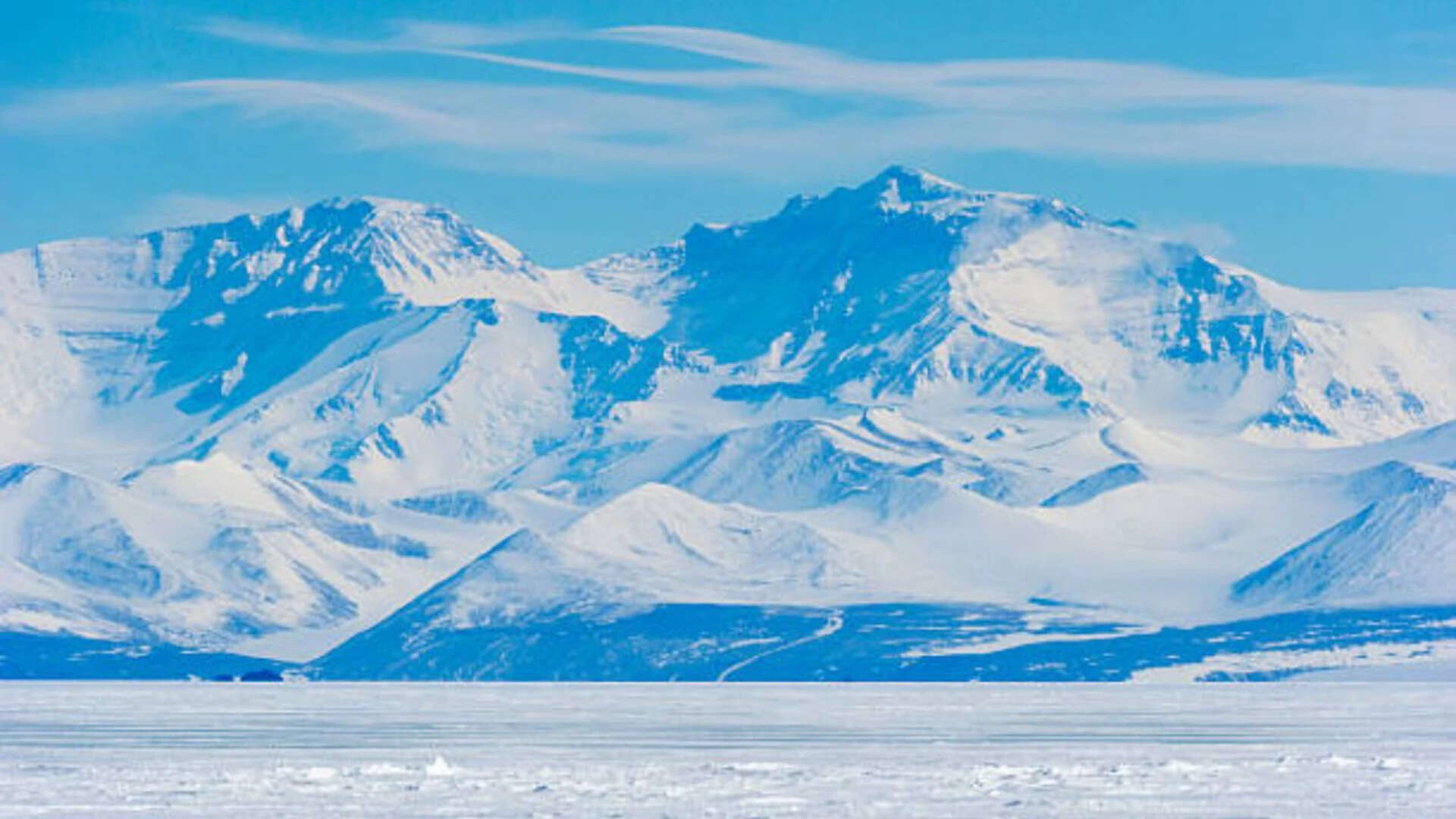
Antarctica averages minus 55°C at Vostok Station, yet a lake remains liquid beneath four kilometres of ice
Summarized and contextualized by DistantNews.
At a glance
In-depth
Named sources
Context piece
- Antarctica's Vostok Station records average temperatures of minus 55°C, with a record low of -89.2°C.
- Beneath four kilometers of ice, a massive liquid lake, Lake Vostok, exists despite the extreme cold.
- The lake remains liquid due to geothermal heat, pressure, and ice insulation, with water temperatures near minus 3°C.
Antarctica, the planet's coldest continent, presents an environment of extreme temperatures, high elevation, and icy terrain. The Russian Vostok Station exemplifies this, averaging a frigid minus 55°C and holding the record for the lowest reliably measured air temperature on Earth at -89.2°C in 1983. Yet, beneath the vast ice sheets, a hidden, ocean-sized lake defies expectations about life's limits. Approximately four kilometers below the station lies Lake Vostok, one of the largest lakes on Earth, challenging conventional understanding of natural conditions.
Lake Vostok spans roughly 230 to 250 kilometers in length and reaches about 50 kilometers in width at its broadest point. While estimates of its precise area and depth vary with improving radar technology and models, its scale is comparable to Lake Ontario. Crucially, its volume may significantly exceed that of Lake Ontario due to the considerable depth of its basin, potentially reaching close to one kilometer in places, compared to Lake Ontario's maximum depth of 244 meters.
The persistence of liquid water in Lake Vostok is a result of a delicate balance of physical factors. The thick ice sheet above acts as an insulator, shielding the lake from the extreme surface temperatures. Additionally, the immense pressure from the overlying ice lowers the freezing point of water, and a steady, albeit small, flow of heat from the Earth's interior prevents it from freezing solid. Despite these factors, the water is not warm; it is expected to hover near minus 3 degrees Celsius, a testament to the extreme environment.
DistantNews Editorial
Originally published by Times of India. Summarized and contextualized by our editorial team with added local perspective. Read our editorial standards.
More Stories

From Our Blog

What Press Freedom Means for the News You Read

What Gets Lost (and Found) When News Is Translated

The Critical Role of Diaspora Media in Global News

What Travellers Should Know About Countries with Restricted Press

A Digital Nomad's Guide to Following Local News
