

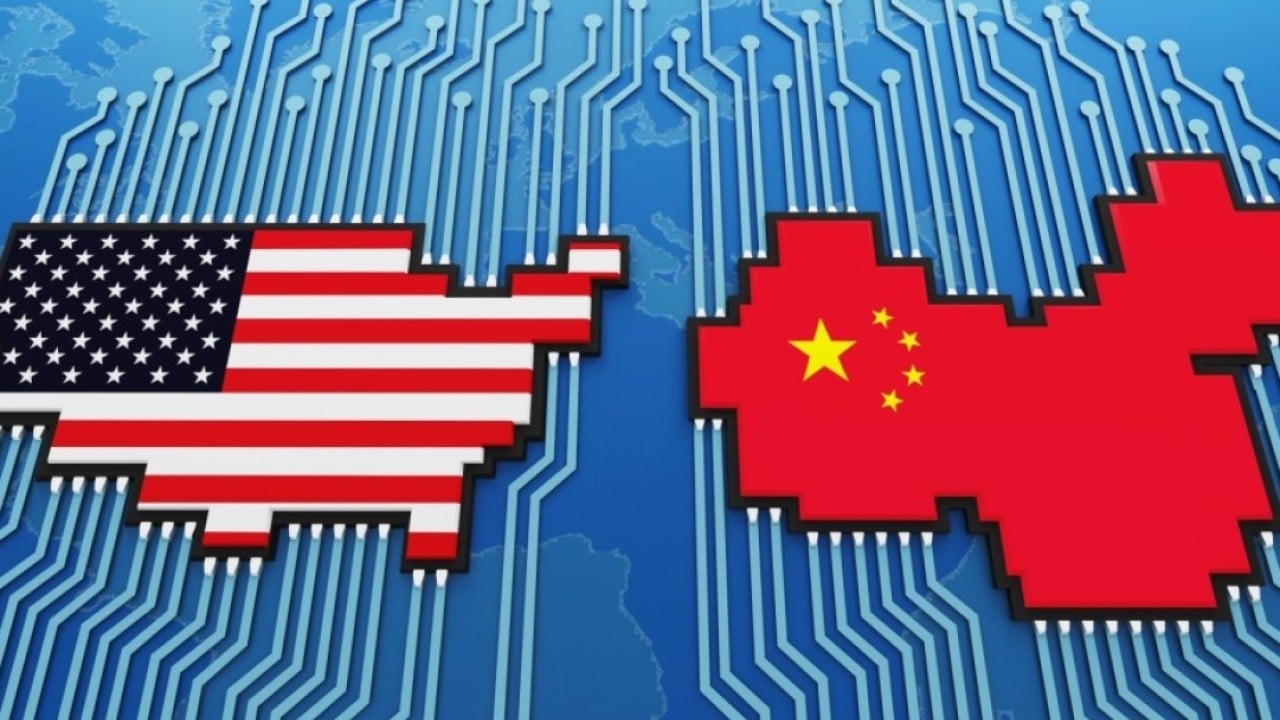

Anthropic, China and why Pax Silica architect thinks the US can keep the AI lead
Summarized and contextualized by DistantNews.
At a glance
News
Named sources
Context piece
- US official Jacob Helberg defended restrictions on foreign access to advanced AI models, citing national security concerns.
- The Pax Silica initiative aims to prevent China from accessing AI supply chains, with 22 nations and the EU participating.
- Restrictions on Anthropic's models were temporarily imposed and later restored, following a national security assessment.
The United States is actively working to maintain its lead in artificial intelligence, particularly in preventing China from accessing advanced AI technologies. Jacob Helberg, the US undersecretary of state for economic affairs and head of the Pax Silica initiative, defended recent restrictions on foreign access to Anthropic's AI models.
Helberg explained that the move was a necessary safeguard for the US and its allies. "We do not want cyberattacks on our critical infrastructure or the critical infrastructure of our allies," he stated in an exclusive interview with the South China Morning Post. The Pax Silica initiative, which includes 22 other nations and the European Union, focuses on excluding China from AI supply chains.
We do not want cyberattacks on our critical infrastructure or the critical infrastructure of our allies.
The administration conducted a thorough assessment to ensure the safe release of advanced AI models. "We undertook a process to make sure that we can have a sensible approach to releasing that technology in a way that is safe and secure for our critical infrastructure and our financial sector," Helberg said. In early June, the Commerce Department temporarily barred foreign nationals from using Anthropic's Fable 5 and Mythos 5 models, citing unspecified national security grounds. Anthropic complied, and access was restored three weeks later.
We undertook a process to make sure that we can have a sensible approach to releasing that technology in a way that is safe and secure for our critical infrastructure and our financial sector.
DistantNews Editorial
Originally published by South China Morning Post. Summarized and contextualized by our editorial team with added local perspective. Read our editorial standards.
More Stories

From Our Blog

Countries Without a Free Press: What You Need to Know

What Press Freedom Means for the News You Read

What Gets Lost (and Found) When News Is Translated

The Critical Role of Diaspora Media in Global News

What Travellers Should Know About Countries with Restricted Press
