


Appeals Court Overturns Conviction in Building Collapse Case; Families Vow to Appeal
Translated from Turkish, summarized and contextualized by DistantNews.
At a glance
News
Named sources
In the courts
- An appeals court overturned a lower court's ruling against contractor Hasan Alpargün, who was held responsible for the deaths of 96 people when his apartment building collapsed.
- The appeals court cited a lack of evidence for "potential intent," arguing the contractor should not be held liable for potential deaths if he did not foresee or desire such an outcome.
- Lawyers for the victims' families argue the appeals court's decision contradicts expert reports and legal standards, vowing to appeal to the Supreme Court.
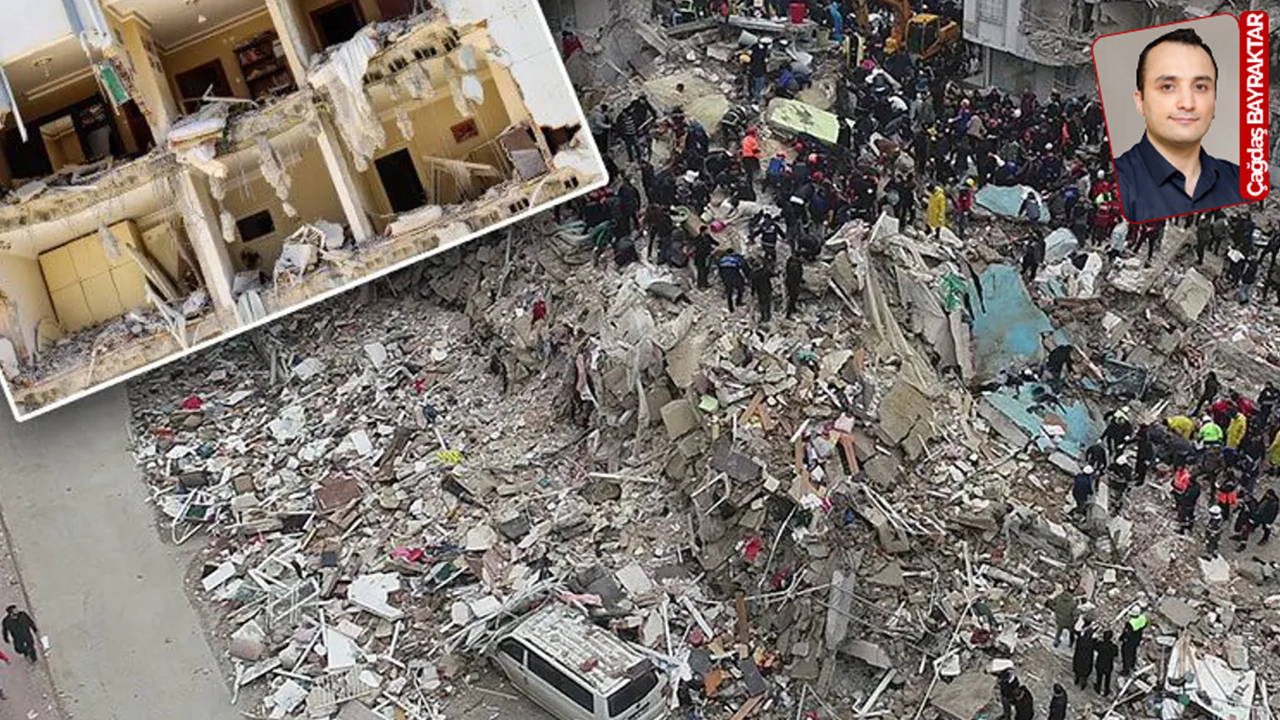
An appeals court has overturned a lower court's conviction of contractor Hasan Alpargün, who faced charges related to the deaths of 96 people when his apartment building collapsed during an earthquake in Adana. The Adana Regional Court of Justice's 18th Penal Chamber reversed the Adana 12th High Criminal Court's ruling that found Alpargün responsible for "causing multiple deaths through potential intent."
There is no evidence in the file that the suspect accepted and desired the potential outcome, therefore the conditions for applying potential intent were not met.
The appeals court's reasoning stated that there was insufficient evidence within the case file to prove the contractor "accepted and desired" the potential outcome, a condition it deemed necessary for applying "potential intent." This decision contrasts sharply with the initial ruling, which had found Alpargün culpable for the deaths.
Lawyers representing the victims' families expressed strong disagreement with the appeals court's decision. They argue that the ruling fails to adequately address the case's gravity and contradicts expert reports. "The reasoning of the decision is not sufficient for legal review and contains clear contradictions within itself," stated lawyer Beşir Ekinci.
The reasoning of the decision is not sufficient for legal review and contains clear contradictions within itself.
Ekinci highlighted that the appeals court accepted expert reports from Konya Technical University, which detailed the building's design flaws, improper construction, and substandard materials. These reports established Alpargün's primary fault and the causal link between his actions and the deaths. Despite this, the court concluded that his actions constituted "conscious negligence" rather than "potential intent."
The report cited indicates that the building's structural design, construction, and supervision were inadequate for earthquake behavior, projects and actual construction did not match, concrete and reinforcement lacked necessary properties, the suspect was primarily at fault, and there was a causal link between the suspect's actions and the resulting deaths.
Victims' families, including Ekinci who lost four relatives in the February earthquakes, are determined to pursue the case further. They plan to appeal the decision to the Supreme Court, seeking not just the right legal classification of the crime but also appropriate punishment. "We are after the true legal name of the act committed, not just the amount of the sentence," Ekinci asserted.
The appeals court changed the nature of the crime without adequately addressing the first-degree court's sound and strong legal reasoning.
DistantNews Editorial
Originally published by Cumhuriyet in Turkish. Translated, summarized, and contextualized by our editorial team with added local perspective. Read our editorial standards.
More Stories


From Our Blog

What Gets Lost (and Found) When News Is Translated

The Critical Role of Diaspora Media in Global News

What Travellers Should Know About Countries with Restricted Press

A Digital Nomad's Guide to Following Local News

How the Same Story Looks Different in Different Countries
