


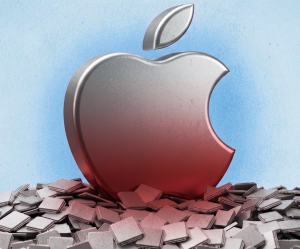
Apple's Dilemma: Navigating US Pressure Over Chinese Chips Amidst 'Chipflation'
Translated from Korean, summarized and contextualized by DistantNews.
At a glance
Analysis
Sources not specified
Ongoing story
- Apple faces a dilemma regarding the use of Chinese chips from YMTC and CXMT due to potential US export controls and political pressure.
- The company is seeking alternatives to memory chip suppliers like Samsung, SK Hynix, and Micron, whose prices have surged due to AI-driven demand.
- Apple CEO Tim Cook must decide whether to prioritize cost savings by using Chinese chips or comply with US political demands, with a deadline of July 21.
Apple, primarily a software and design company that relies on global suppliers for components and assembly, is facing a significant dilemma concerning the potential use of Chinese memory chips. The company, known for its stringent quality standards, is exploring options to mitigate rising costs driven by a global shortage of semiconductors, particularly memory chips, which have seen prices skyrocket due to AI demand.
The surge in memory chip prices has impacted Apple's cost of goods, turning the tech giant into a "super vulnerable party" in negotiations with chipmakers. To counter this, Apple has reportedly approached Chinese manufacturers Yangtze Memory Technologies Co. (YMTC) and Changxin Memory Technologies (CXMT). However, this move has drawn scrutiny from the U.S. government.
Both YMTC and CXMT are under consideration for inclusion on the U.S. Department of Commerce's export control list. This potential designation, coupled with bipartisan pressure from U.S. politicians, creates a difficult situation for Apple. Members of Congress have sent public letters urging Commerce Secretary Gina Raimondo to ban Chinese chip purchases and have also written to Apple CEO Tim Cook, pressing him to commit to excluding Chinese chips.
The supply price is as Apple dictates.
The semiconductor price increases have broad implications across various industries, affecting not only consumer electronics like smartphones, PCs, and gaming consoles but also complex systems like automobiles. Apple's decision-making process is being closely watched globally as a potential case study for navigating the "chipflation" crisis effectively.
With a July 21 deadline for publicly addressing the issue, Tim Cook, who is nearing retirement after a successful 15-year tenure, faces a critical choice. He must weigh the potential cost savings from using Chinese chips against the political ramifications and the risk of alienating U.S. lawmakers and potentially jeopardizing other aspects of Apple's supply chain. This decision represents one of the most challenging dilemmas of his leadership.
I am proud.
DistantNews Editorial
Originally published by Dong-A Ilbo in Korean. Translated, summarized, and contextualized by our editorial team with added local perspective. Read our editorial standards.
More Stories



From Our Blog

What Gets Lost (and Found) When News Is Translated

The Critical Role of Diaspora Media in Global News

What Travellers Should Know About Countries with Restricted Press

A Digital Nomad's Guide to Following Local News

How the Same Story Looks Different in Different Countries
