


Arab Gulf Readies Infrastructure to Attract Long-Term Capital
Summarized and contextualized by DistantNews.
At a glance
News
Named sources
Context piece
- Saudi Arabia and other Gulf countries are shifting their infrastructure financing models beyond government spending.
- They are increasingly tapping private and institutional capital for projects in energy, water, and digital economy sectors.
- This change aims to share risks, strengthen creditworthiness, and attract private investment for large-scale projects.
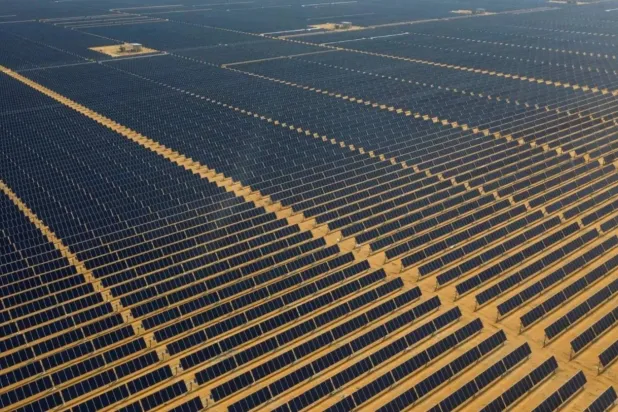
The Gulf region is undergoing a significant transformation in how it finances its next wave of infrastructure development. Moving beyond traditional government expenditure, Saudi Arabia and its neighbors are actively seeking to attract private and institutional capital for a wide array of projects spanning energy, water, and the digital economy.
This strategic pivot represents a broader evolution in the Gulf’s investment approach. As projects grow in scale and complexity across vital sectors, government funding alone is proving insufficient. Simultaneously, global pension funds, insurers, and asset managers possess vast pools of long-term capital ideally suited for infrastructure assets that promise steady, long-term cash flows.
fundamentals are strong
The region is now focusing on developing financing structures that distribute risks more effectively. The goal is to enhance the creditworthiness of projects, transforming government-backed initiatives into attractive opportunities for private and institutional investors. Saud Alsayyari, Senior Investment Officer for the Middle East and North Africa at the Asian Infrastructure Investment Bank (AIIB), notes that the "fundamentals are strong" across the Gulf, driven by population growth, urbanization, and economic transformation programs.
Alsayyari highlights that the primary challenge is no longer identifying opportunities but rather structuring risks and mobilizing sufficient capital for their execution. Multilateral development institutions are expected to play a crucial role in making projects more bankable, thereby reducing investor risks and catalyzing capital flows. Over the next five years, the most promising investment opportunities are anticipated in renewable energy, particularly solar power with storage technologies, and technology-enabled infrastructure like nationwide fiber-optic networks and smart logistics, which Alsayyari believes "multiplies the value of every other asset class."
multiplies the value of every other asset class
DistantNews Editorial
Originally published by Asharq Al-Awsat. Summarized and contextualized by our editorial team with added local perspective. Read our editorial standards.
More Stories


From Our Blog

What Gets Lost (and Found) When News Is Translated

The Critical Role of Diaspora Media in Global News

What Travellers Should Know About Countries with Restricted Press

A Digital Nomad's Guide to Following Local News

How the Same Story Looks Different in Different Countries
