


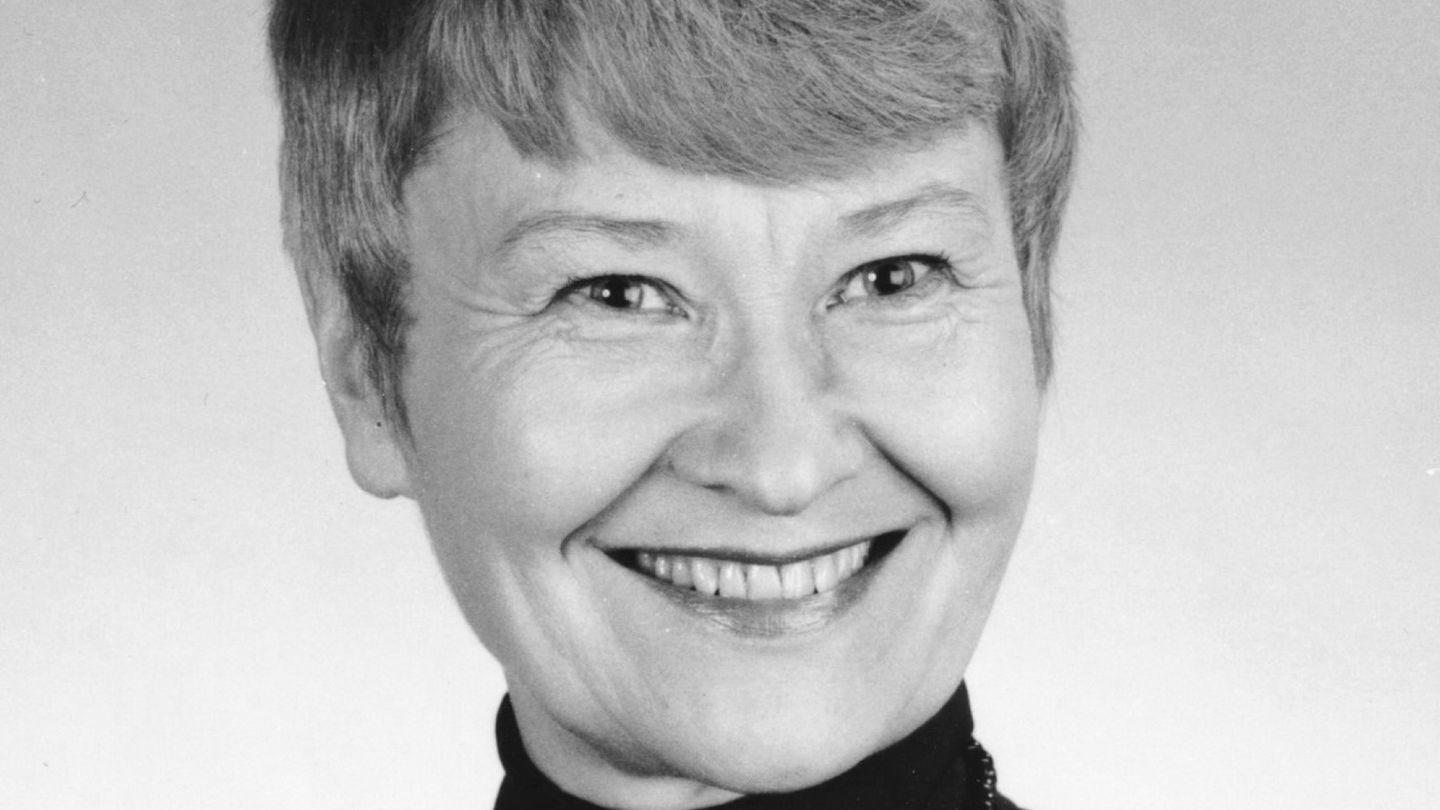
Archaeologist Who Uncovered Iron Age Woman's Costume Dies at 91
Translated from Finnish, summarized and contextualized by DistantNews.
At a glance
In-depth
Sources not specified
Outcome reported
- Archaeologist Pirkko-Liisa Lehtosalo-Hilander, a leading scholar of Finland's Iron Age, has died at age 91.
- She was renowned for her extensive excavations at Luistari in Eura, uncovering Finland's largest known Iron Age burial site.
- Lehtosalo-Hilander's work challenged traditional interpretations and highlighted the active role of women in Iron Age society, including recreating an ancient woman's costume.
Pirkko-Liisa Lehtosalo-Hilander, a distinguished docent of archaeology and a key figure in the study of Finland's Iron Age, has passed away in Helsinki at the age of 91. Her passion for history led her to an internationally respected career, focusing particularly on the Viking Age and establishing foundational research in Finnish archaeology.
Lehtosalo-Hilander's life's work centered on Eura, where her excavations at Luistari between 1969 and 1992 revealed Finland's largest known Iron Age burial ground, containing approximately 1,300 graves. Her doctoral dissertation and subsequent publications on Luistari, along with broader works on Finland's medieval and late Iron Age periods, are considered essential texts in the field. She also authored significant studies on the prehistory of Savonia.
She gained public recognition for reconstructing an ancient Eura woman's costume based on a burial find, bringing prehistoric times vividly to the present day. This costume was famously worn by then-President Tarja Halonen at the Independence Day reception in 2001. Lehtosalo-Hilander also served as an expert for Kalevala Koru, contributing to the design of historical jewelry, including the popular Sun Lion pendant.
Lehtosalo-Hilander's research was groundbreaking in its challenge to often male-centric interpretations of Iron Age society, emphasizing the active agency of women. Colleagues and friends remember her as a meticulous, demanding, yet warm and humorous educator and researcher, affectionately known as the "iron lady" of archaeology. Her sharp intellect and unwavering dedication left a lasting impact on the field.
DistantNews Editorial
Originally published by Helsingin Sanomat in Finnish. Translated, summarized, and contextualized by our editorial team with added local perspective. Read our editorial standards.
More Stories



From Our Blog

What Gets Lost (and Found) When News Is Translated

The Critical Role of Diaspora Media in Global News

What Travellers Should Know About Countries with Restricted Press

A Digital Nomad's Guide to Following Local News

How the Same Story Looks Different in Different Countries
