

Archaeologists Uncover Unknown Funerary Practices at Peru's Kuélap Complex
Translated from Spanish, summarized and contextualized by DistantNews.
At a glance
News
Sources not specified
Context piece
- Archaeologists discovered an unprecedented funerary structure at the Kuélap complex in Peru.
- The structure contained the remains of five individuals and ceremonial objects, including Inca-influenced items.
- The find suggests prolonged use of the site and potential ritualistic practices previously unknown.
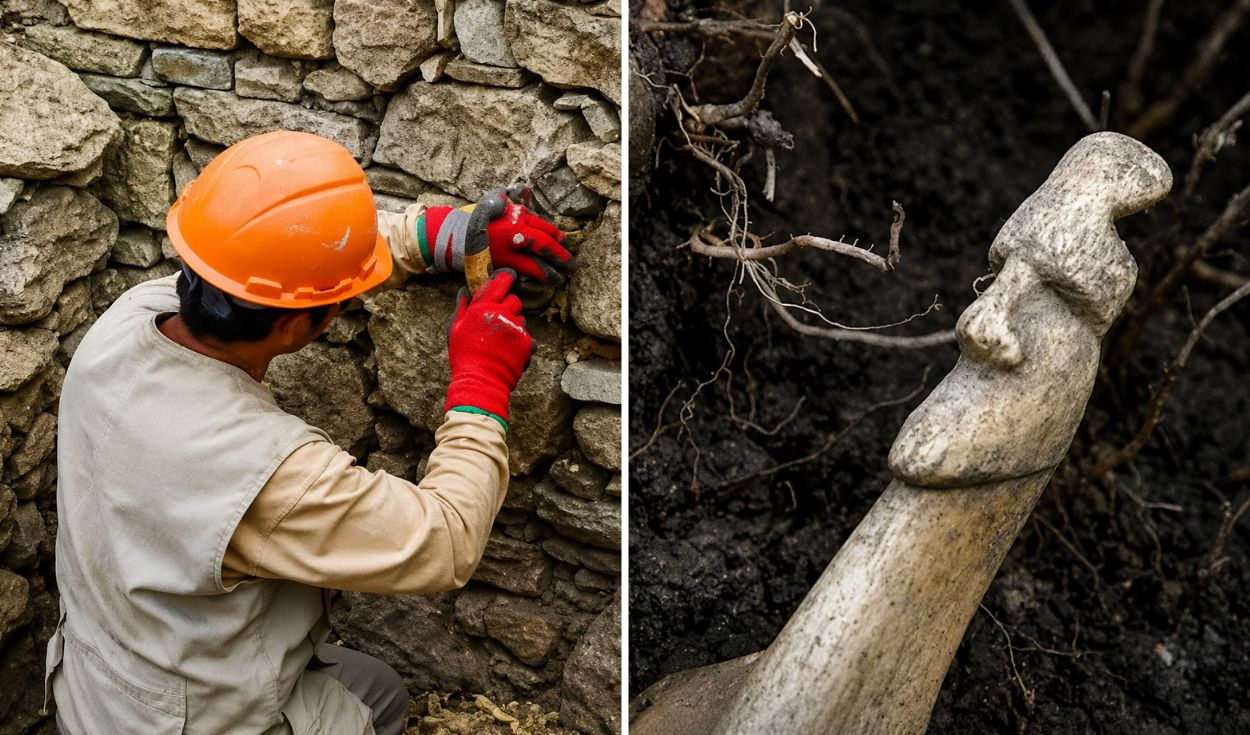
An extraordinary discovery at the Kuélap archaeological complex in Peru's Amazonas region has captivated specialists and cultural authorities. Archaeologists unearthed a unique funerary structure containing the skeletal remains of five individuals alongside ceremonial artifacts, a find considered unprecedented within this significant monument associated with the Chachapoya culture.
The investigation aims to identify these individuals, understand the function of this space, and uncover new insights into the ritual practices of the region's past inhabitants. The structure, located in Area 12 of Kuélap, a site at the confluence of the complex's main access points, had never been systematically studied before. Its strategic position suggests it held considerable ceremonial and social importance.
Described as having a horseshoe shape, the structure was built on an elevated platform, making it visible to those entering the complex from either access point. This visibility reinforces the theory that it served a prominent ceremonial function for the entire community. Within the structure, archaeologists found the remains of four adults and one infant. Notably, one individual was seated atop other skeletal remains, indicating multiple burial events over time.
Alterations to the discovered remains further support the hypothesis of the funerary space's prolonged use and open new avenues for researching the mortuary customs of Kuélap's ancient inhabitants. Among the artifacts found were an Inca-style phytomorphic paccha, a "pacay" fruit representation, and fragments of Spondylus, a mollusk from Ecuador, indicating trade and connections with other Andean regions. These findings also highlight the influence of the Tahuantinsuyo empire during the Late Horizon period.
DistantNews Editorial
Originally published by La República in Spanish. Translated, summarized, and contextualized by our editorial team with added local perspective. Read our editorial standards.
More Stories

From Our Blog

What Gets Lost (and Found) When News Is Translated

The Critical Role of Diaspora Media in Global News

What Travellers Should Know About Countries with Restricted Press

A Digital Nomad's Guide to Following Local News

How the Same Story Looks Different in Different Countries
