

Architect Claudia Faena Finds Harmony and Method in Southeast Asian Design
Translated from Spanish, summarized and contextualized by DistantNews.
TLDR
- Architect and interior designer Claudia Faena traveled to Southeast Asia, particularly Bali, to deepen her understanding of harmonious spaces and Feng Shui principles.
- Faena integrates principles of neuroarchitecture and sensory design, focusing on how spaces influence human health, well-being, and creativity.
- Her design philosophy emphasizes creating environments that are not just aesthetically pleasing but also scientifically grounded in promoting positive psychological and physiological responses.
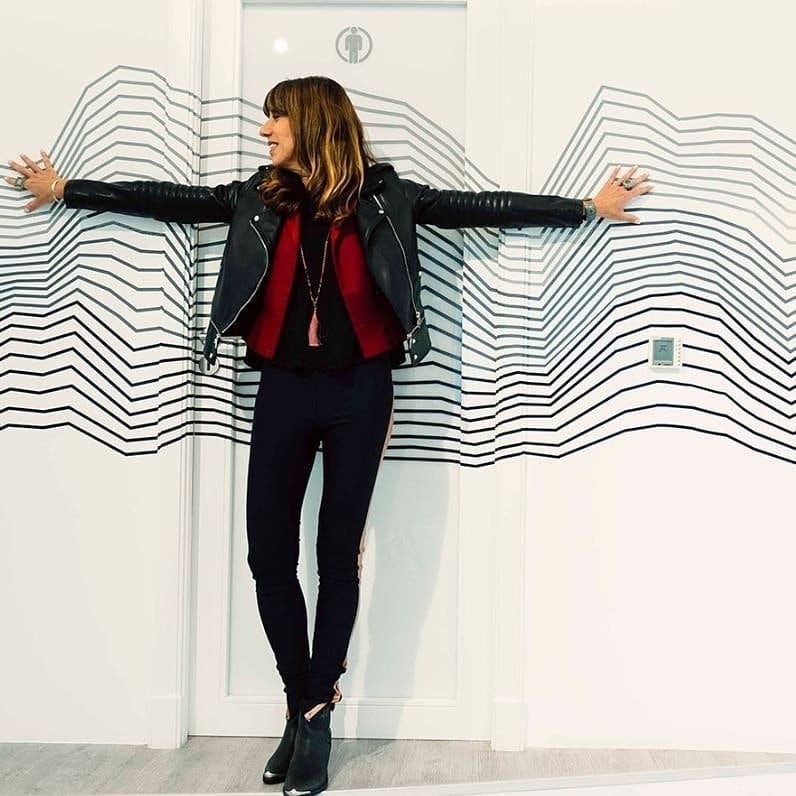
La Nación profiles Claudia Faena, an architect and interior designer whose recent journey to Southeast Asia, specifically Bali, has profoundly influenced her approach to creating spaces that promote health and well-being. The article frames Faena as a 'home doctor,' dedicated to designing environments that are not merely decorative but are integral components of a person's life, fostering harmony through principles like Feng Shui.
There the spaces are alive, it's not just decoration. It's another integral part.
Faena's philosophy extends beyond traditional aesthetics, delving into the realm of neuroarchitecture and sensory design. She emphasizes the scientific basis of her work, explaining how elements like spatial fluidity, organic forms, and specific lighting conditions can stimulate creativity and promote relaxation. Her insights into the psychological impact of colors—green for tranquility, blue for knowledge, white for inspiration—further illustrate her holistic approach to interior design.
From the moment I graduated, I set out to design spaces where well-being is the center, where design promotes sensations, from a more human, sensitive, and scientifically based perspective.
From an Argentine perspective, Faena's integration of Eastern philosophies like Feng Shui with Western scientific disciplines like neuroarchitecture represents an innovative and sophisticated approach to design. La Nación highlights her work on notable projects, including collaborations with international stars like Philippe Starck and Norman Foster, positioning her as a leading figure in contemporary design. The article suggests that her ability to blend cultural influences with scientific understanding offers a unique and valuable perspective on creating living and working environments.
It has been proven by neuroscience that in certain spaces new neurons are generated, while in others they stagnate.
The journey to Bali served as a catalyst for Faena, leading to the development of a modular and adaptable design system. This reflects a desire to make her principles of harmonious and health-promoting design more accessible. The article concludes by underscoring Faena's commitment to creating spaces that are not only beautiful but also functional and beneficial to the occupants' overall quality of life, a perspective that resonates with a growing global interest in wellness-focused design.
When I saw the surveys and studies of so many years on feng shui, quantum physics, art, and architecture embodied in one place, it was a party. And a revelation.
DistantNews Editorial
Originally published by La Nación in Spanish. Translated, summarized, and contextualized by our editorial team with added local perspective. Read our editorial standards.
More Stories



From Our Blog

What Gets Lost (and Found) When News Is Translated

The Critical Role of Diaspora Media in Global News

What Travellers Should Know About Countries with Restricted Press

A Digital Nomad's Guide to Following Local News

How the Same Story Looks Different in Different Countries
