

Are Europeans Poorer Than Americans? Examining Purchasing Power and Different Economic Models
Translated from Spanish, summarized and contextualized by DistantNews.
At a glance
Analysis
Sources not specified
Context piece
- A debate questions whether Europeans have less purchasing power than Americans.
- The article suggests Europe faces challenges in regaining industrial and technological dynamism.
- It posits that Europe's model for success is measured differently, not necessarily broken.
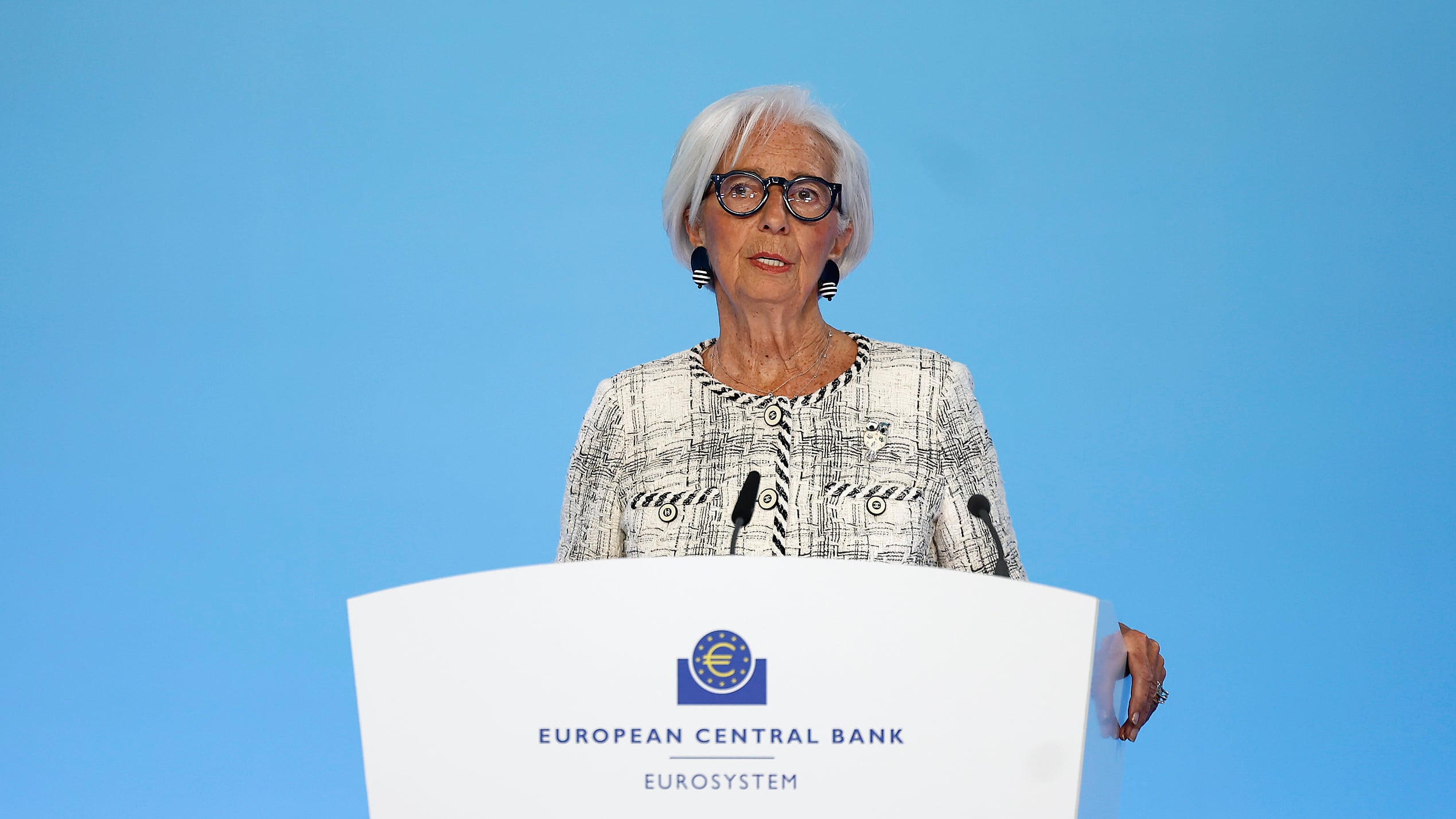
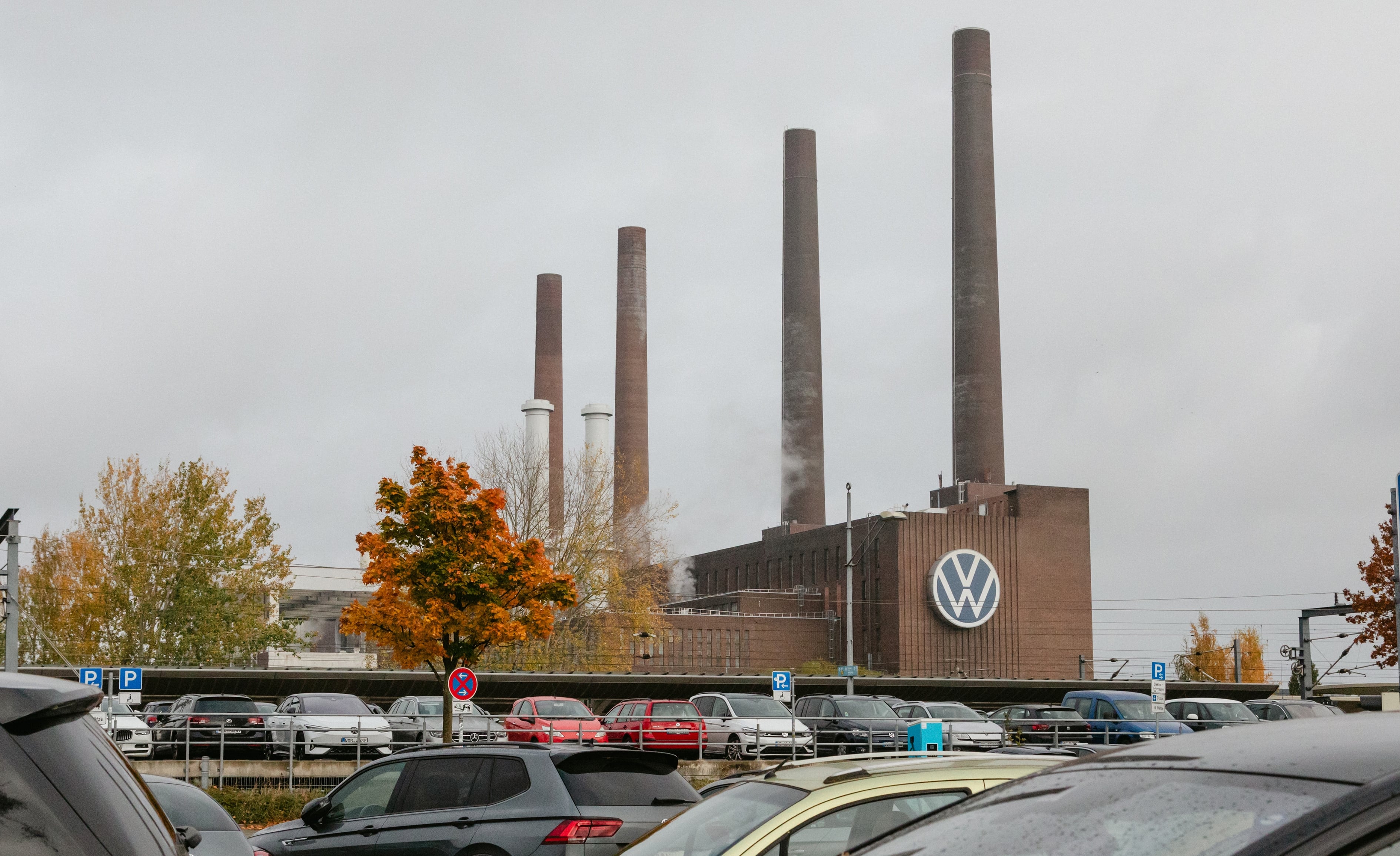
A recent analysis delves into the question of whether Europeans possess less purchasing power than their American counterparts. The article explores the economic standing of Europe in comparison to the United States, suggesting that the "Old Continent" is grappling with the challenge of revitalizing its industrial and technological sectors. While acknowledging these difficulties, the piece argues that Europe's fundamental economic model is not inherently flawed. Instead, it proposes that Europe measures success using a different set of criteria than the U.S. This perspective implies that a direct comparison of purchasing power might overlook distinct European values and priorities, such as social welfare, environmental sustainability, or quality of life, which may not be fully captured by purely economic metrics. The core argument suggests that Europe's path forward involves regaining economic momentum while staying true to its own developmental framework, rather than simply adopting an American-style approach.
The challenge for the Old Continent is to regain industrial and technological dynamism, but knowing that its model is not yet broken; it simply measures success with a different yardstick.
DistantNews Editorial
Originally published by El País in Spanish. Translated, summarized, and contextualized by our editorial team with added local perspective. Read our editorial standards.
More Stories

From Our Blog

What Gets Lost (and Found) When News Is Translated

The Critical Role of Diaspora Media in Global News

What Travellers Should Know About Countries with Restricted Press

A Digital Nomad's Guide to Following Local News

How the Same Story Looks Different in Different Countries
