


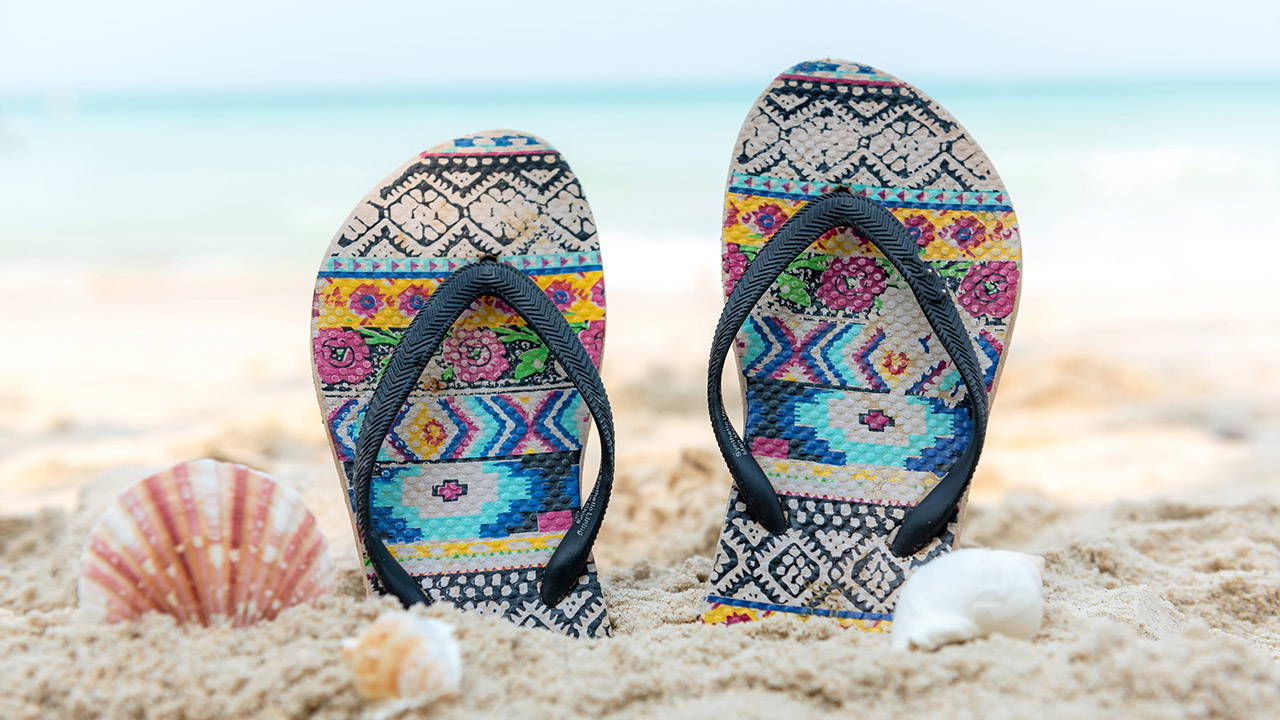
Are Flip-Flops Bad for Foot Health?
Translated from Turkish, summarized and contextualized by DistantNews.
At a glance
In-depth
Sources not specified
Context piece
- Flip-flops, including heeled versions, are popular for hot weather but have a reputation for harming foot health due to lack of support.
- Foot health experts suggest the problem isn't the flip-flop itself, but the abrupt transition from supportive shoes to unsupportive ones, which can strain the foot.
- Alternative footwear like supportive sandals, platform heels, clogs, and fisherman sandals offer more support, while minimalist barefoot shoes require a gradual adaptation period.
Flip-flops are a summer staple, offering a cool solution for sweaty feet, with even heeled versions appearing this season. However, their reputation for poor foot support raises questions about their health impact.
If you go directly from a very tight shoe to wearing a flip-flop, that's when the problem arises.
Foot health specialist Dr. Helen Branthwaite believes the "harmful" label is unfair. She explains that the real issue arises from a drastic change in footwear, particularly when switching from tightly fitting shoes to flip-flops after winter. This sudden shift overworks the foot, increasing the risk of injury and potentially causing the foot to change shape over time.
Fashion expert Angela Baidoo recommends supportive alternatives over flat, thin flip-flops. She notes that while chunky plastic designs are aesthetically questionable, they are comfortable. Clogs are also making a comeback, favored by professionals who stand all day. Baidoo also points to orthopedic sandals and platform heels as comfortable options that provide ankle support and a flattering silhouette.
Your foot starts to change shape over time and tends to spread a little.
Other options include fisherman sandals, which can be worn with socks as an alternative to loafers, though they may not be as comfortable as flip-flops for all situations. The trend of minimalist barefoot shoes is also gaining traction, but Branthwaite emphasizes the importance of gradual adaptation to avoid injury.
But they are really comfortable.
Dr. Branthwaite offers key advice for foot care: pay attention to the shoe's sole and material, as these affect foot movement and gait. She suggests testing a flip-flop's durability by bending it; if it bends easily, it may not support the foot adequately. Regular foot checks are also crucial, as open footwear can lead to dry skin, particularly on the heels, which may harden and cause brittle nails if left unaddressed.
It's all about getting used to it slowly.
DistantNews Editorial
Originally published by Cumhuriyet in Turkish. Translated, summarized, and contextualized by our editorial team with added local perspective. Read our editorial standards.
More Stories



From Our Blog

What Gets Lost (and Found) When News Is Translated

The Critical Role of Diaspora Media in Global News

What Travellers Should Know About Countries with Restricted Press

A Digital Nomad's Guide to Following Local News

How the Same Story Looks Different in Different Countries
