


Are You Ignoring Young People?
Translated from English and summarized by DistantNews. Read the original for the full story.
At a glance
Opinion
Sources not specified
Context piece
- The article argues that unemployment, discrimination and broken political promises have left many young Caribbean citizens disillusioned.
- It calls for stronger support from families, schools, political leaders and community organizations, while warning about youth crime, indiscipline and violence.
- The piece urges older and younger generations to rebuild trust and promote positive role models.
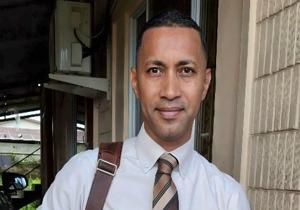
Many young Caribbean people are growing disillusioned as limited job opportunities, discrimination and broken political promises prevent their hopes from becoming reality. Their voices, the article argues, are either being silenced or ignored, while too many young people chase fantasies instead of developing their potential.
The article calls for greater recognition of young visionaries and entrepreneurs in business and volunteer work. It also argues that young people need positive role models who can help them confront poverty, crime, drug abuse, pollution and gender-based violence. In Trinidad and Tobago, it says, young people should have no excuse for becoming involved in crime, while organizations such as the Trinidad Youth Council, the Police Youth Club, Scouts, Girl Guides and the YMCA work to mentor those at risk of going astray.
The writer says young people have spent too long being blamed for Caribbean problems, or treated only as victims of them. Labour leaders, teachers, parents, politicians, social workers and religious leaders must address the crisis, the article says.
Caribbean youth is profoundly alienated from agriculture and from rural life.
Schools face their own problems, including fighting, bullying, disruption, absenteeism and disrespect toward teachers. Some secondary-school students have threatened or verbally abused teachers. The article links these patterns to an abuse of freedom, family breakdown and a lack of positive role models, while pointing to the need for stronger ties between generations. Trinidad and Tobago’s Geriatric Adolescent Partnership Programme is cited as one effort to close that gap.
The article recalls William Demas’s warning at a 1970 Caribbean seminar that young people were alienated from agriculture and rural life and often felt unable to play a constructive or self-respecting role in society. It concludes that rapidly changing relationships between parents, children and peers have made the generation divide more urgent to address.
Many of them find that they cannot play any kind of constructive or self-respecting role in their societies.
About this summary
Originally published by Trinidad Express in English. Translated, summarized, and contextualized automatically by DistantNews, with a note on how the source frames the story. Not individually reviewed before publishing. How this works.
More Stories


From Our Blog

News in Translation: What Gets Lost, and How We Keep the Framing

Diaspora Media: How Communities Follow News From Home

Traveling Where the Press Is Not Free: How to Read the News There

The Digital Nomad's Guide to Local News

The Same Story, Different Countries: How Coverage Changes at the Border
