

Arévalo cautious on U.S. military remarks; analysts see diplomatic strategy
Translated from Spanish, summarized and contextualized by DistantNews.
At a glance
News
Named sources
Context piece
- Guatemalan President Bernardo Arévalo responded cautiously to U.S. Secretary of War Pete Hegseth's statements about potential U.S. military operations in Guatemala.
- Arévalo reiterated Guatemala's request for support focused on equipment, training, and intelligence systems, emphasizing adherence to Guatemalan law.
- Analysts suggest Arévalo's measured response is a diplomatic strategy to avoid friction with the U.S. and manage domestic concerns, prioritizing careful legal processes for any cooperation.
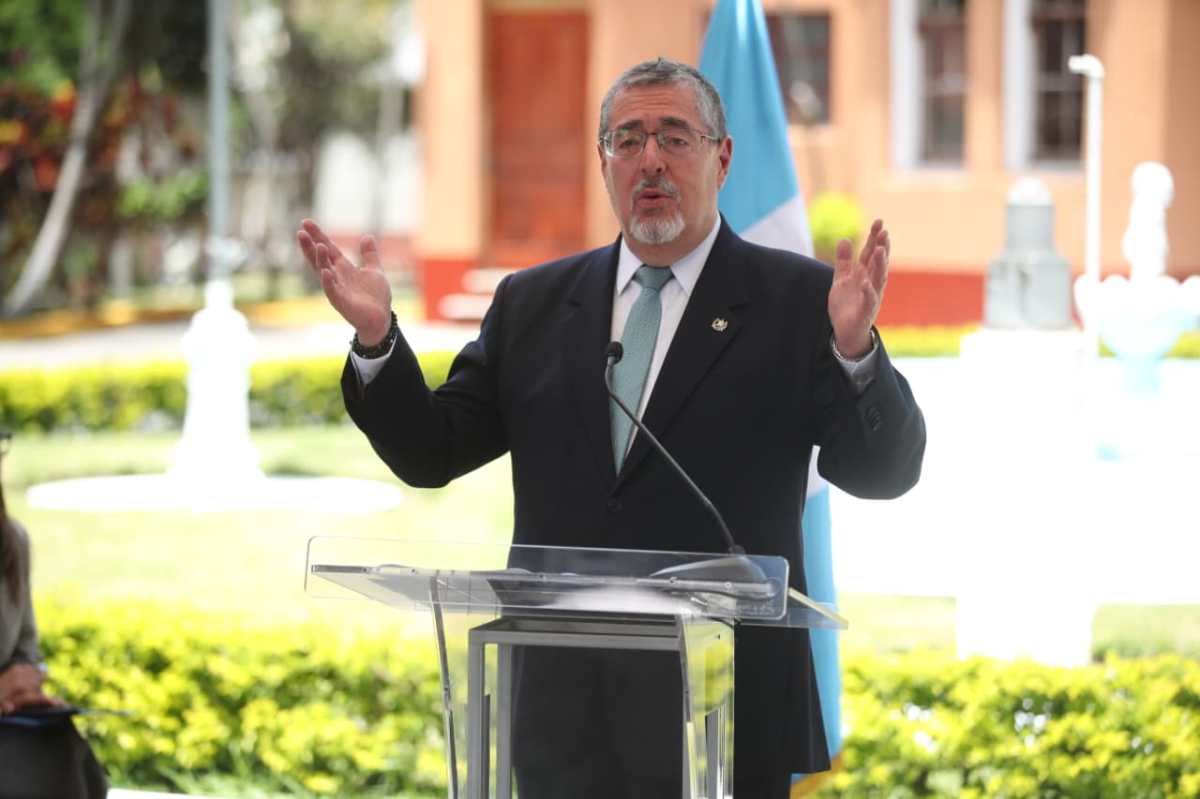
Guatemalan President Bernardo Arévalo has adopted a cautious stance following remarks by U.S. Secretary of War Pete Hegseth, who indicated that U.S. military operations against organized crime might soon occur on Guatemalan soil. During a press conference, Arévalo reiterated Guatemala's position on seeking support.
"We have been clear about the type of support request we have made regarding equipment, training, trainers, advisors, integration of intelligence information systems, so that we can work very effectively and as we always have, within the framework of current Guatemalan legislation," Arévalo stated. However, he remained ambiguous about the specific reasons behind the U.S. assertions regarding imminent military operations.
Analysts view Arévalo's approach as prudent. Jorge Ortega Gaitán, an analyst and public policy expert, described the president's attitude as "very prudent and accurate." He explained that silence and calculated ambiguity are key diplomatic tools to prevent friction, both internally and with the United States. "In politics, it's the art of persuasion. And practically 70% is staying silent, diverting the topic, or lowering the volume," Ortega Gaitán noted, adding that this approach avoids unnecessary friction for both the nation and Washington.
Mario Mérida, another analyst, echoed this sentiment, calling the president's attitude that of an "experienced diplomat." Mérida believes Arévalo is waiting for a specific, formal request detailing any potential U.S. troop involvement before giving a concrete answer. This, he argues, is not indecision but a well-managed diplomatic strategy. Mérida emphasized that any U.S. military incursion would require formal cooperation agreements, subject to approval by Guatemala's Congress, to uphold national sovereignty and constitutional order.
DistantNews Editorial
Originally published by Prensa Libre in Spanish. Translated, summarized, and contextualized by our editorial team with added local perspective. Read our editorial standards.
More Stories
From Our Blog

What Gets Lost (and Found) When News Is Translated

The Critical Role of Diaspora Media in Global News

What Travellers Should Know About Countries with Restricted Press

A Digital Nomad's Guide to Following Local News

How the Same Story Looks Different in Different Countries
