


Argentina's Carbon Forum Highlights Market Potential Amidst Ownership Debates
Translated from Spanish, summarized and contextualized by DistantNews.
At a glance
News
Sources not specified
Context piece
- Argentina's Carbon Forum highlighted the growing global carbon market, estimated at $1.3 trillion annually, and its potential opportunities for the country.
- Projects focused on natural resources, regenerative agriculture, and sustainable livestock are in high demand, with nature-based credits fetching higher prices than technological ones.
- Debates arose over regulatory frameworks and ownership of carbon credits, with provincial sectors claiming rights to ecosystem services while businesses argue for land or project owner rights, highlighting a need for clear government definitions.
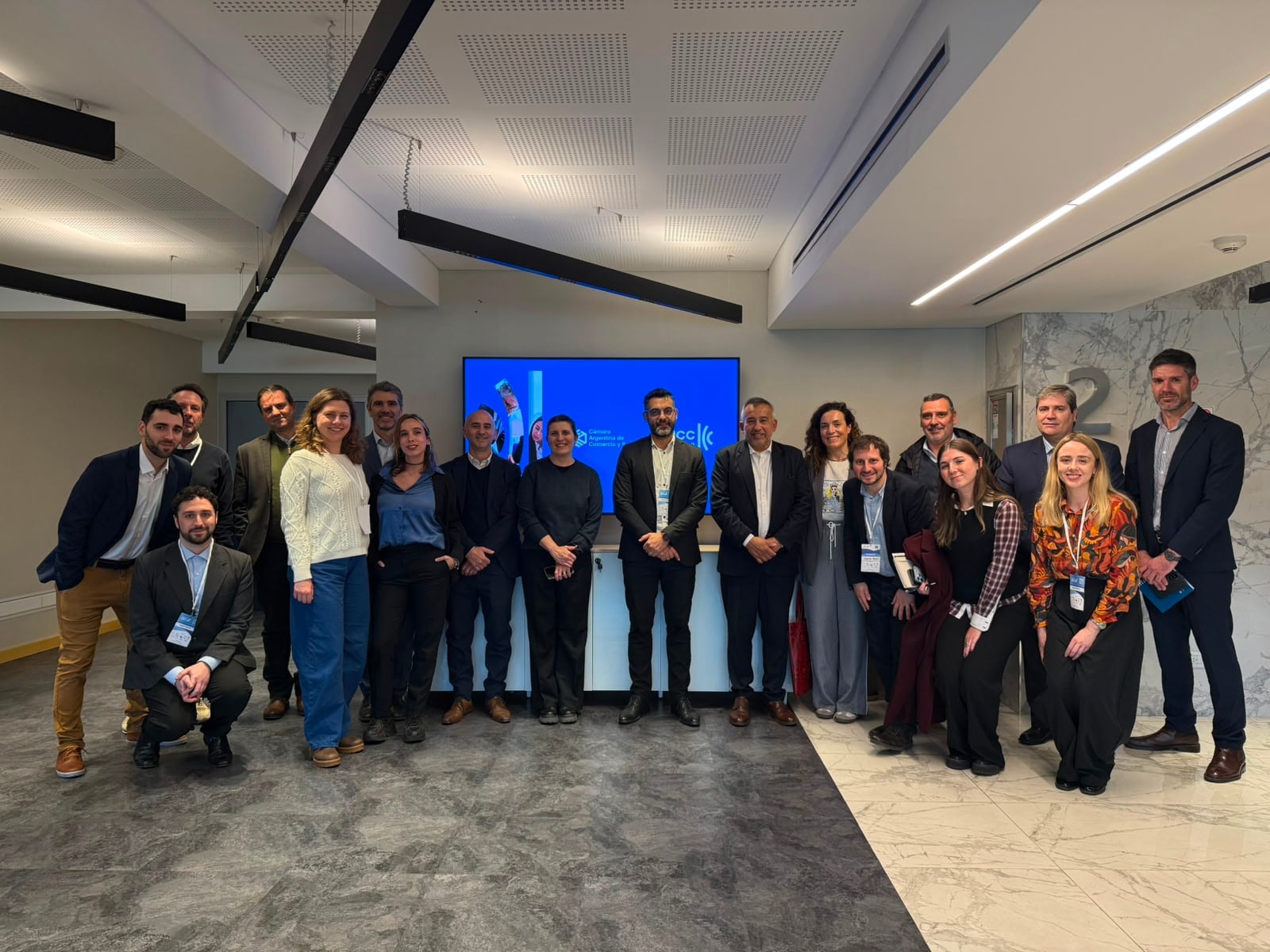
The fourth edition of the Argentina Carbon Forum convened in Buenos Aires, drawing project developers, companies, specialists, and public sector representatives amidst escalating interest in carbon markets. Organized by Génesis and MEXICO2, the event underscored the advancement of various initiatives within Argentina, while also exposing rifts concerning regulatory frameworks and the ownership of carbon credits.
The forum's central theme was the expansion of the global market, valued at an estimated $1.3 trillion per year, and the potential benefits for Argentina. Specialists noted that projects centered on natural resource conservation, regenerative agriculture, and sustainable livestock farming are experiencing the highest demand and commanding the best prices in the voluntary carbon market. Credits generated from nature-based projects, particularly those in regenerative agriculture and livestock, are fetching prices between $18 and $35 per ton of carbon, outperforming technological carbon credits.
Despite the identified opportunities, concerns were raised regarding the lack of official definitions. Organizers and participants urged the national government to expedite the submission of the Nationally Determined Contribution (NDC 3.0) to the United Nations, a commitment under the Paris Agreement. The presence of Deputy Environment Secretary Fernando Brom fueled expectations for a resolution on this matter.
Senators Sonia Rojas Decut and María Inés Zigarán advocated for environmental federalism, asserting provincial authority over natural resources within their territories. This stance ignited a key debate: who holds the economic rights to carbon credits? Provincial sectors argue for ownership of ecosystem services generated locally, while business and agricultural entities contend that rights belong to landowners or project developers. This discussion intensified with recent legislative proposals and provincial initiatives, such as Misiones's jurisdictional scheme validated by Verra, which some private organizations argue creates investment uncertainty.
DistantNews Editorial
Originally published by La Nación in Spanish. Translated, summarized, and contextualized by our editorial team with added local perspective. Read our editorial standards.
More Stories



From Our Blog

What Gets Lost (and Found) When News Is Translated

The Critical Role of Diaspora Media in Global News

What Travellers Should Know About Countries with Restricted Press

A Digital Nomad's Guide to Following Local News

How the Same Story Looks Different in Different Countries
