


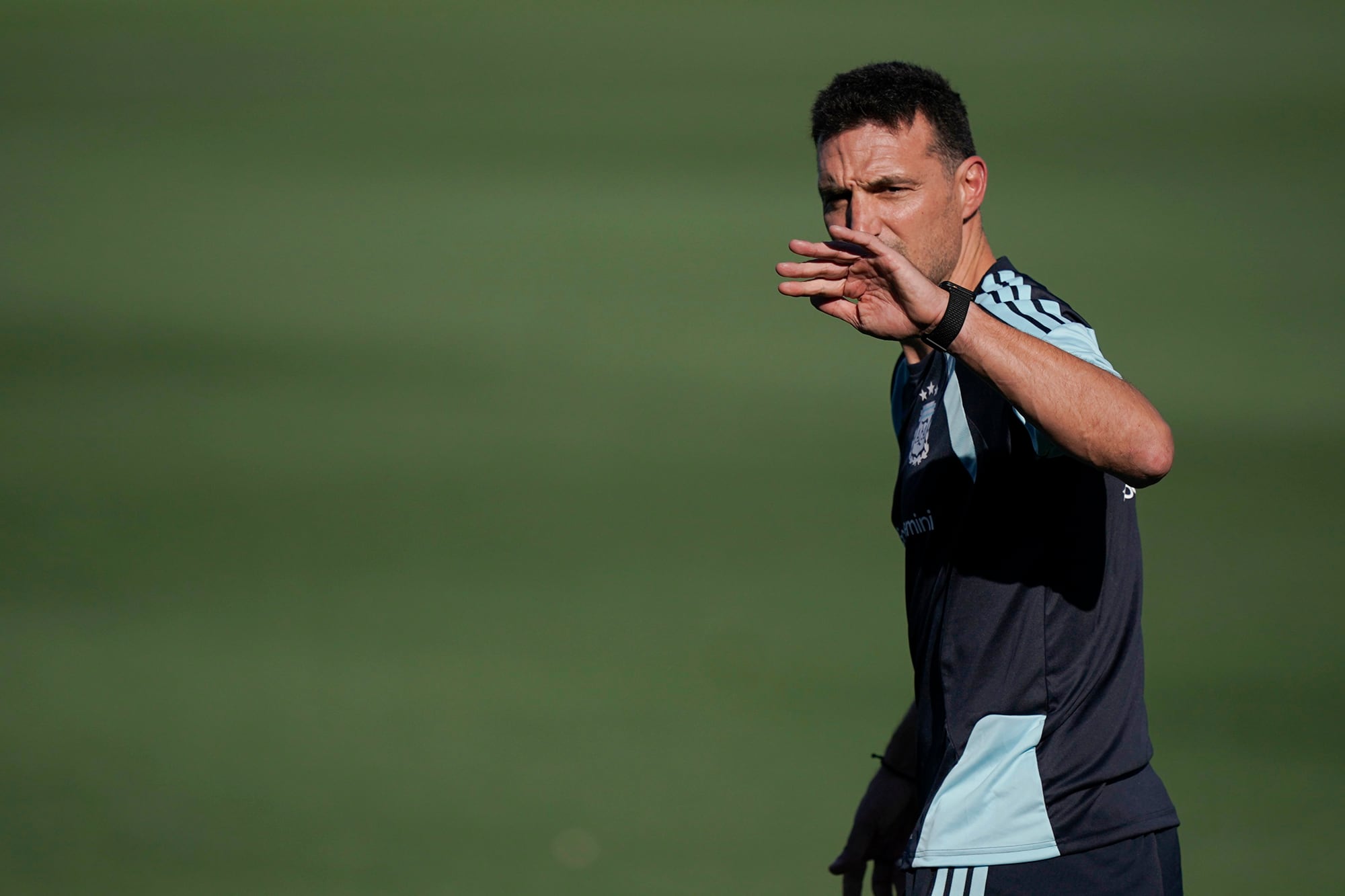
Argentina's football identity: Adapting to the modern game
Translated from Spanish, summarized and contextualized by DistantNews.
At a glance
Analysis
Sources not specified
Context piece
- Argentina's national football team, under coach Lionel Scaloni, has developed a distinct identity while adapting to modern football.
- The team aims to compete with top nations without losing its traditional technical skill and talent.
- Argentina will face Jordan in their final group stage match, with Scaloni planning squad rotation.
Lionel Scaloni returned from the 2018 World Cup with a clear conviction: football had evolved. The game was faster, more intense, with quicker transitions and less time for decision-making. Yet, he believed Argentina couldn't adapt by abandoning its core identity. The challenge was to modernize and compete with global powerhouses while retaining the technique, composure, and natural talent that have always defined Argentine football.
Scaloni, who was an assistant coach under Jorge Sampaoli during the 2018 World Cup, articulated this vision even as an interim manager. In a conversation with Jorge Valdano, he explained his philosophy: "Football is going in one direction, but we have to try to ensure our players do not lose the essence they have." This belief became a guiding principle for his tenure.
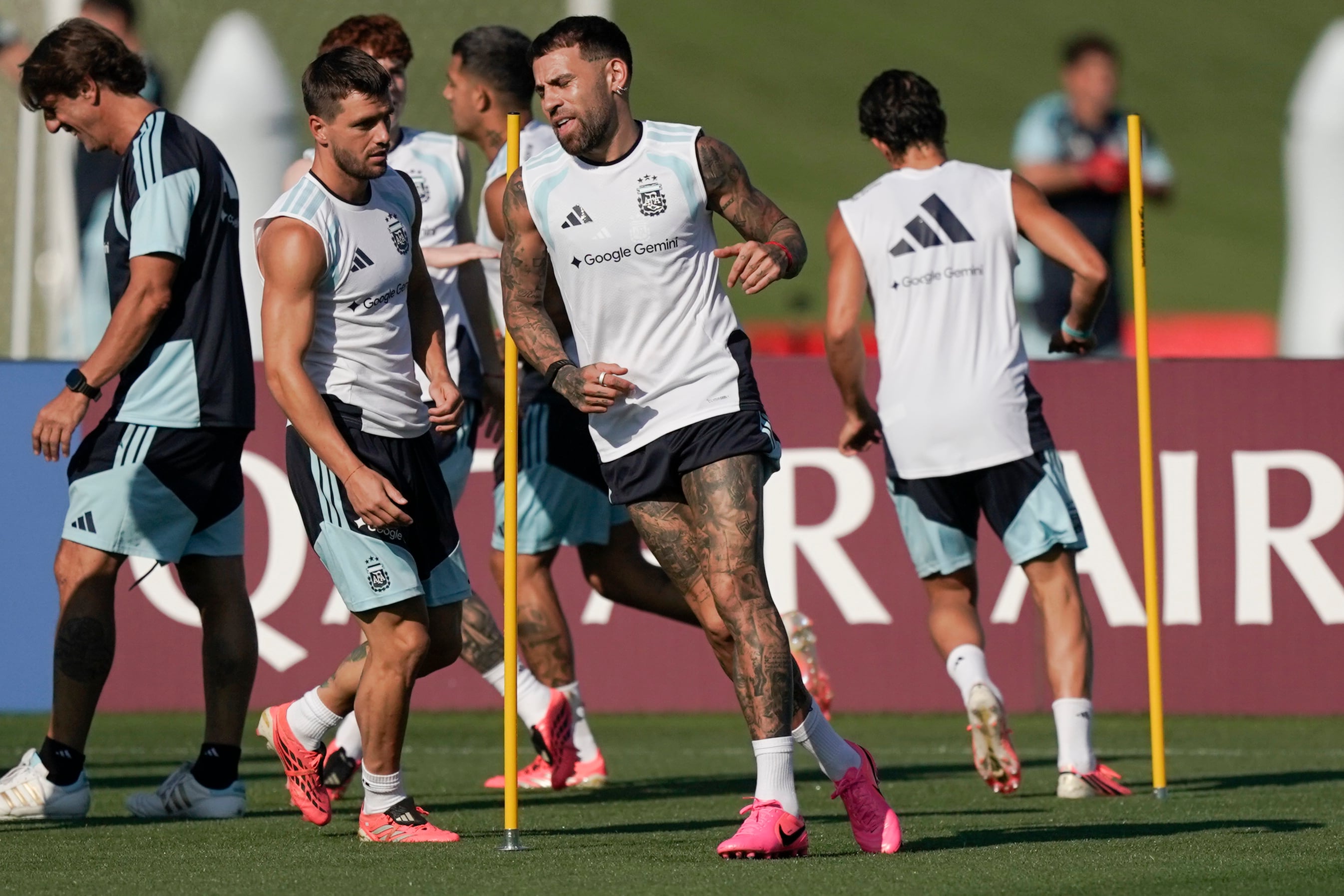
Eight years later, the identity of the Argentine squad is undisputed. While players, formations, or game plans may change, whether Julián Álvarez or Lautaro Martínez starts, or who plays in midfield, the team's fundamental style remains consistent. This distinct "seal" will be tested again as Argentina concludes its group stage against Jordan.
For Scaloni, the match against Jordan is an opportunity to rotate players and ensure the entire squad is fit for the knockout stages. Jordan, already eliminated after losses to Austria and Algeria, will be playing their final World Cup match. This game represents a clash between a team with a well-defined identity and one that is still in the process of building its own.
DistantNews Editorial
Originally published by La Nación in Spanish. Translated, summarized, and contextualized by our editorial team with added local perspective. Read our editorial standards.
More Stories


From Our Blog

What Gets Lost (and Found) When News Is Translated

The Critical Role of Diaspora Media in Global News

What Travellers Should Know About Countries with Restricted Press

A Digital Nomad's Guide to Following Local News

How the Same Story Looks Different in Different Countries
