


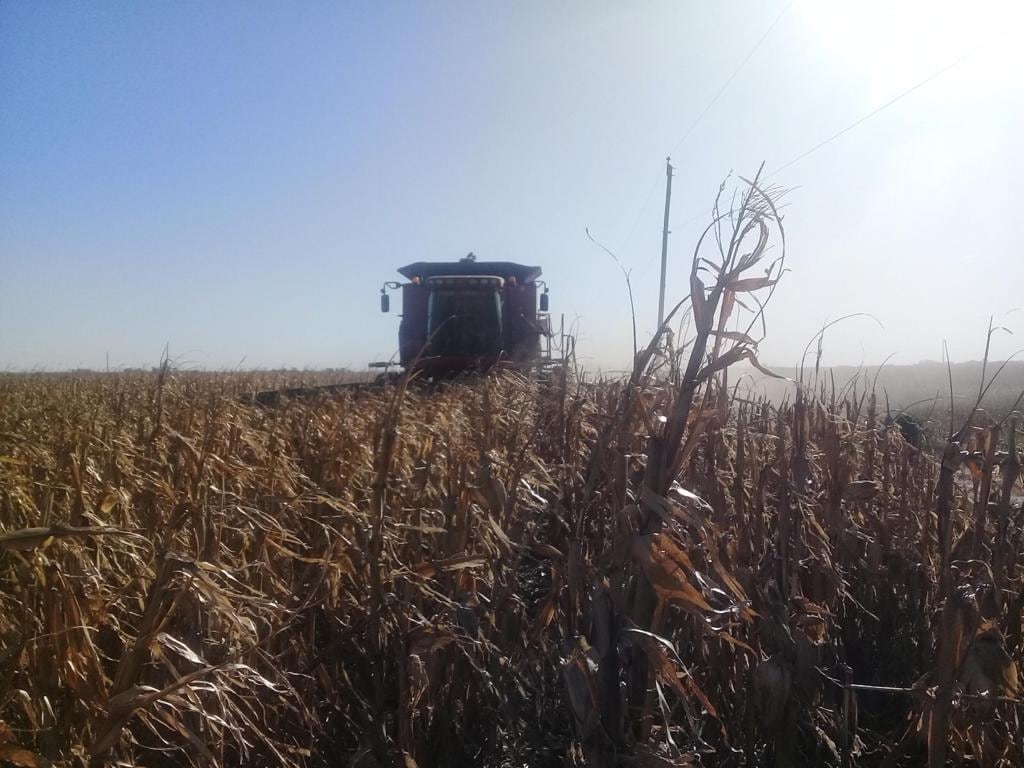
Argentina's Grain Production Poised for Record Harvests Amidst Technological Advances and Sustainability Challenges
Translated from Spanish, summarized and contextualized by DistantNews.
At a glance
News
Sources not specified
Context piece
- Argentina's grain production has surged from 70 million tons to over 140 million tons in recent decades due to technology, no-till farming, and genetic improvements.
- Projections estimate Argentina could reach 177 million tons of grain by 2034/35, with corn and soybeans remaining dominant crops.
- Achieving this growth requires macroeconomic stability, tax reform, infrastructure investment, and continued technological adoption, alongside addressing soil erosion and nutrient depletion.
Argentina's agricultural sector has undergone a significant transformation, more than doubling its grain production from approximately 70 million tons to over 140 million tons in recent decades. This expansion, driven by technological advancements, the adoption of no-till farming, and genetic improvements, has solidified Argentina's position as a major global food supplier.
Future projections suggest a continued upward trajectory, with the Foundation for Production and Conservation estimating a potential output of nearly 177 million tons of grains by the 2034/35 campaign. This scenario anticipates a 21% increase in cultivated area and sustained yield improvements. Corn and soybeans are expected to remain the primary crops, accounting for about 74% of the total production, with wheat adding to their dominance.
However, this ambitious growth hinges on several critical factors. Macroeconomic stability, the elimination of tax distortions, substantial infrastructure investments, and ongoing technological adoption are deemed essential. Simultaneously, the sector faces significant sustainability challenges, particularly concerning soil erosion and inadequate nutrient replenishment. Despite increased fertilizer use since the early 2000s, current levels fall short of what is needed for long-term sustainability, with only about 58% of extracted nutrients being replaced.
DistantNews Editorial
Originally published by La Nación in Spanish. Translated, summarized, and contextualized by our editorial team with added local perspective. Read our editorial standards.
More Stories



From Our Blog

What Gets Lost (and Found) When News Is Translated

The Critical Role of Diaspora Media in Global News

What Travellers Should Know About Countries with Restricted Press

A Digital Nomad's Guide to Following Local News

How the Same Story Looks Different in Different Countries
