



Argentina's Supreme Court Curbs Judicial Discretion in Judge Selection
Translated from Spanish, summarized and contextualized by DistantNews.
TLDR
- Argentina's Supreme Court has introduced new guidelines to reduce discretion in selecting judges.
- The reform aims to replace subjective evaluations with verifiable technical criteria.
- This aims to ensure greater objectivity, transparency, and judicial independence.
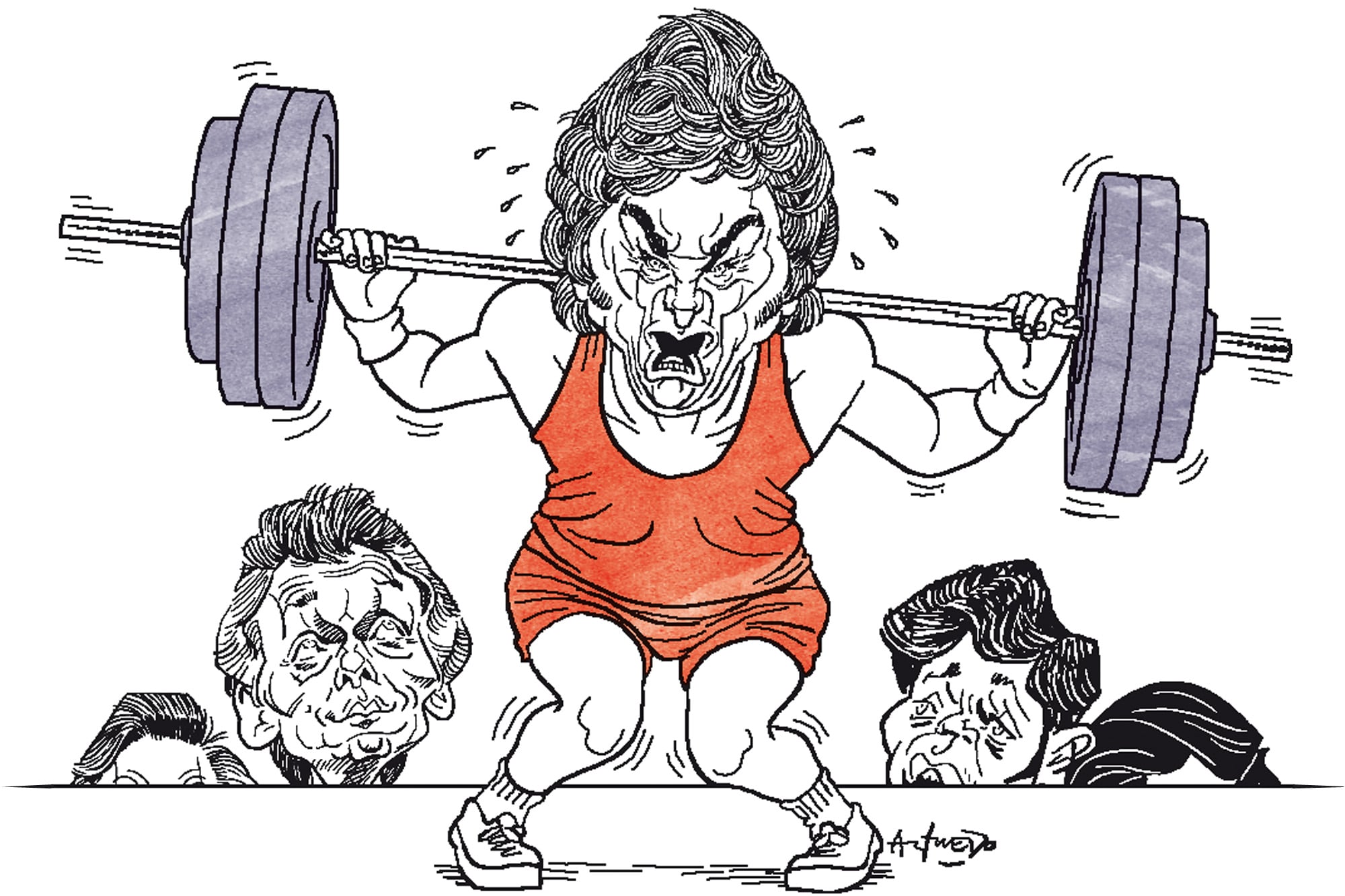
La Nación, as a leading voice in Argentine journalism, views the Supreme Court's Acordada 4/2026 as a crucial step towards strengthening the rule of law. For too long, the selection of magistrates has been marred by subjective interpretations and opaque processes, undermining public trust and potentially compromising judicial independence. This reform, by emphasizing technical merit and objective evaluation, promises to usher in an era of greater predictability and fairness in judicial appointments.
Our analysis highlights the inherent tension between political discretion and the constitutional mandate for objective, merit-based selection. The interview process, in particular, has been a notorious breeding ground for subjectivity. By introducing clearer guidelines and measurable criteria, the Court is not merely tweaking a procedure; it is reinforcing the foundational principles of our republic. This move is vital for ensuring that those who sit in judgment are chosen for their competence and integrity, not their connections or perceived political alignment.
This development is particularly significant for Argentinians who value a robust and impartial judiciary. While international observers might see this as a procedural update, for us, it is a reaffirmation of our commitment to good governance and the fight against corruption and cronyism. La Nación will continue to scrutinize these reforms, ensuring they are implemented effectively and that the promise of a more objective judiciary is realized for the benefit of all citizens.
DistantNews Editorial
Originally published by La Nación in Spanish. Translated, summarized, and contextualized by our editorial team with added local perspective. Read our editorial standards.
More Stories


From Our Blog

What Gets Lost (and Found) When News Is Translated

The Critical Role of Diaspora Media in Global News

What Travellers Should Know About Countries with Restricted Press

A Digital Nomad's Guide to Following Local News

How the Same Story Looks Different in Different Countries
