

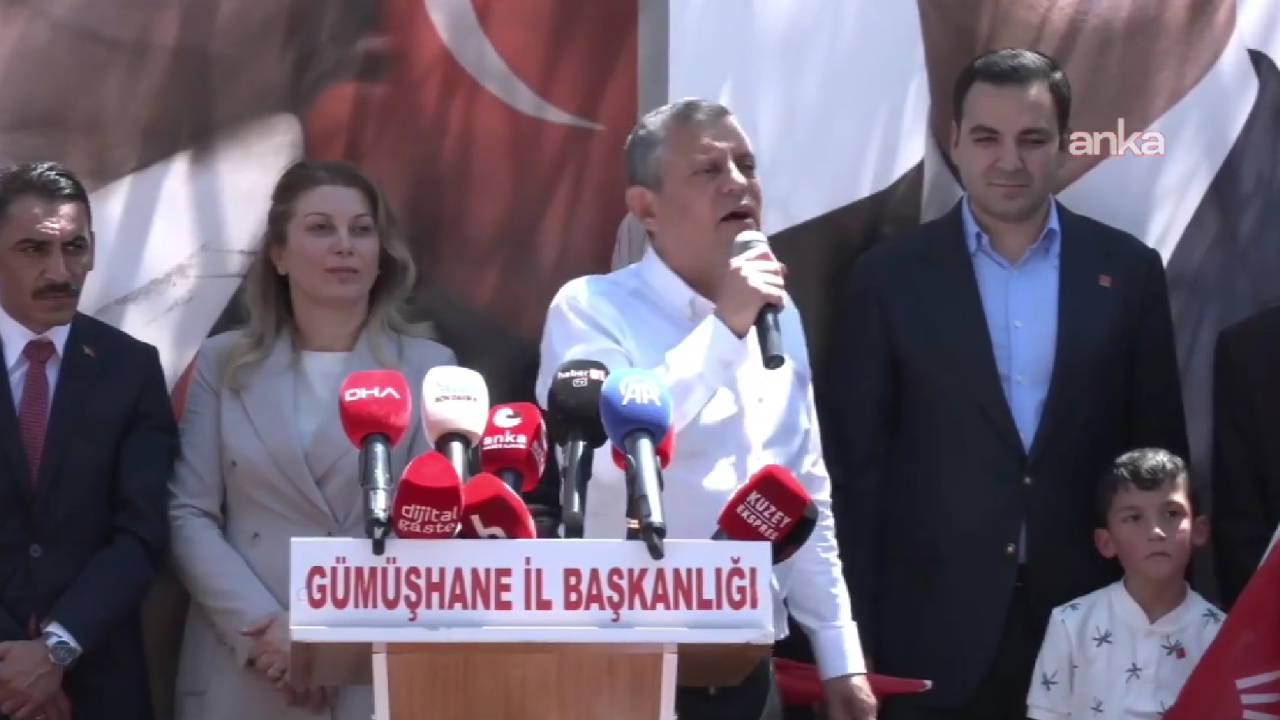

Armenia's election may become a turning point in the Caucasus
Translated from English, summarized and contextualized by DistantNews.
At a glance
News
Sources not specified
Context piece
- Armenia faces a pivotal parliamentary election on June 7, marking a significant geopolitical choice beyond a routine government change.
- The election will determine if Armenia continues within Russia's security orbit or pursues a Western-oriented foreign policy under Prime Minister Nikol Pashinyan.
- The outcome will shape Armenia's state identity and its regional positioning, influencing the ongoing peace process with Azerbaijan and drawing attention from major global powers.
Armenia's upcoming June 7 parliamentary elections are framed not as a simple change of government, but as a critical juncture reflecting the nation's "new geopolitical choice." The vote is seen as a referendum on Armenia's post-Soviet security dependencies, its identity crisis following the Karabakh conflict, strained ties with Russia, and its pursuit of a Western-oriented foreign policy.
The central question is whether Armenia will remain within a Russia-centered security architecture or institutionalize a Western trajectory. This debate runs deeper, touching on Armenia's "state mind" and its capacity to adapt to the new regional geopolitics shaped by the Second Karabakh War. The choice lies between a path of peace or a revisionist security discourse.
Prime Minister Nikol Pashinyan's Civil Contract Party represents an adaptation to the post-Karabakh reality, including the possibility of peace with Azerbaijan and normalization with Turkey. For Pashinyan, the election is a bid to move away from an old security paradigm, though he faces criticism for the loss of Karabakh. His discourse advocates for a sovereign, outward-looking state within existing borders, a painful but potentially rational path for regional peace.
A victory for Pashinyan would not guarantee peace but would strengthen the political ground for its continuation. However, the article notes the dual challenge of shaping Armenia's future stance. Former President Robert Kocharyan's "Hayastan" Alliance represents a different path, favoring closer strategic coordination with Russia.
DistantNews Editorial
Originally published by Daily Sabah in English. Translated, summarized, and contextualized by our editorial team with added local perspective. Read our editorial standards.
More Stories
From Our Blog

What Gets Lost (and Found) When News Is Translated

The Critical Role of Diaspora Media in Global News

What Travellers Should Know About Countries with Restricted Press

A Digital Nomad's Guide to Following Local News

How the Same Story Looks Different in Different Countries
