

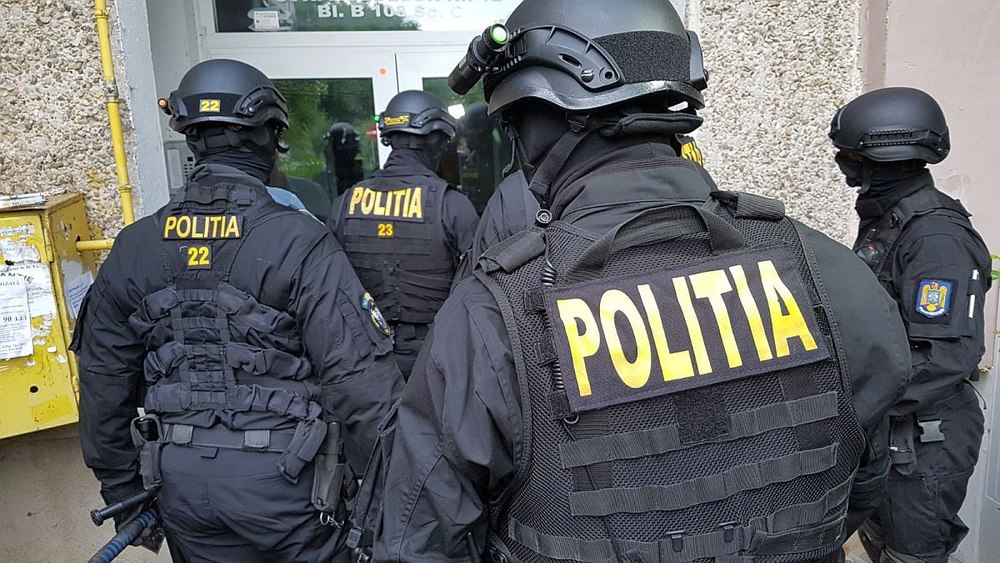

Arrests in Work Experience Fraud Case: Scheme Cost Pension Funds 12.5 Million Lei
Translated from Romanian, summarized and contextualized by DistantNews.
At a glance
News
Named sources
Outcome reported
- Romanian authorities arrested three individuals for fraudulently obtaining work experience and pension benefits, causing an estimated 12.5 million lei in damages.
- The scheme, active since 2018, involved creating fake employment records through non-profit associations and shell companies for over 860 people.
- Investigators found that over 170 individuals used these falsified records to claim or increase their pensions, defrauding pension funds.
Romanian authorities have arrested three people in connection with an organized crime ring that defrauded pension funds of an estimated 12.5 million lei ($2.6 million USD). The suspects are accused of fraudulently obtaining work experience and pension benefits by falsifying employment records in state computer systems. The scheme, which began in 2018, allegedly created artificial work history for over 860 individuals.
Investigators from the Bucharest Anti-Organized Crime Brigade and DIICOT prosecutors conducted 30 raids across eight counties. The operation targeted crimes including forming an organized criminal group, computer fraud, deception with severe consequences, and misuse of non-public information.
For the purpose, the members of the criminal group allegedly used non-profit associations without activity, phantom companies, and vulnerable people whose identification data would have been used to issue documents that would have attested, falsely, the status of employee for the persons interested in obtaining work experience, in exchange for sums of money between 15,000 lei and 50,000 lei.
The group allegedly used inactive non-profit associations, shell companies, and vulnerable individuals whose identification data were used to create fake employment documents. These documents were then submitted to the National Tax Administration Agency via D112 fiscal declarations, falsely attesting to employment and social contributions for people who never worked for the listed companies.
Over 170 individuals reportedly used these fabricated work histories to secure or increase their pensions. The fraud specifically targeted the Pension Houses, leading them to issue decisions and pay out sums greater than legally owed. The investigation revealed that some beneficiaries received pensions despite not meeting the legal requirements without the falsified periods.
Through this mechanism, artificial work experience was allegedly created for over 860 people over five years.
DistantNews Editorial
Originally published by Adevărul in Romanian. Translated, summarized, and contextualized by our editorial team with added local perspective. Read our editorial standards.
More Stories



From Our Blog

What Gets Lost (and Found) When News Is Translated

The Critical Role of Diaspora Media in Global News

What Travellers Should Know About Countries with Restricted Press

A Digital Nomad's Guide to Following Local News

How the Same Story Looks Different in Different Countries
