


Arsenic in the water: Toxic ‘time bomb’ threatens Mekong river basin
Summarized and contextualized by DistantNews.
At a glance
News
Named sources
Context piece
- A Thai fisherman, Somdet Singthong, has elevated levels of toxic arsenic in his body, detected in the Mekong River and its tributaries.
- Experts trace the contamination, which poses health risks and impacts livelihoods, to illegal mining in Myanmar.
- The pollution threatens the vital rice-growing Mekong Delta region in Vietnam and has led to villagers avoiding local fish.
- Activists are calling for diplomatic dialogue and stricter environmental controls along the river.
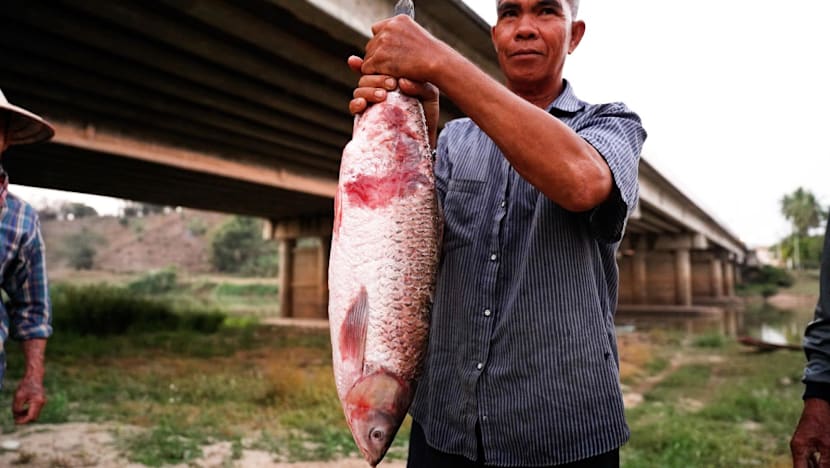
In Chiang Saen, Thailand, fisherman Somdet Singthong navigates the polluted Mekong River, his health and livelihood threatened by elevated levels of toxic arsenic. Doctors have confirmed the presence of the heavy metal in his fingernails and urine, mirroring its detection in the river itself. This contamination, experts believe, stems from illegal mining operations in neighboring Myanmar.
The impact has been huge. I’ve never been afraid, but other villagers are worried. They don’t eat fish; some won’t touch it at all.
The impact on local communities has been severe. Singthong, 69, notes a significant drop in customers who once bought fish directly from him. Many villagers now fear consuming local fish due to the detected toxins, leading to waste and economic hardship. Thailand's pollution control department reported arsenic concentrations in sediment near Chiang Saen exceeding safe levels by more than nine times, marking the first detection directly in the Mekong River, not just its tributaries.
When it’s contaminated with heavy metals and other kinds of toxins, they flow all the way to the Mekong delta, threatening an important rice-growing region in Vietnam.
Environmental activists warn that the heavy metals and toxins flowing downstream pose a significant threat to the Mekong Delta, a crucial rice-growing region in Vietnam. Pianporn Deetes of the Rivers and Rights campaign group highlighted the widespread contamination of fish. Researchers from Chiang Mai University described the situation as a "time bomb," citing long-term risks of cancer and neurological disorders, particularly for vulnerable populations.
The fish are contaminated already.
Activists and local residents have organized protests, demanding action. Buddhist monks led a march along the waterway, with participants carrying signs emphasizing the river's importance to life. "The water is dead. And if the water is dead, what about the people?" asked artist Sansoen Duangdee. Deetes is calling for "diplomatic dialogue" between Thailand and its neighbors, including China, a major importer of rare earth elements, to address the escalating environmental crisis.
We don’t see children playing in the water anymore. We don’t see birds. We don’t see butterflies. The water is dead. And if the water is dead, what about the people?
DistantNews Editorial
Originally published by The Straits Times. Summarized and contextualized by our editorial team with added local perspective. Read our editorial standards.
More Stories


From Our Blog

What Gets Lost (and Found) When News Is Translated

The Critical Role of Diaspora Media in Global News

What Travellers Should Know About Countries with Restricted Press

A Digital Nomad's Guide to Following Local News

How the Same Story Looks Different in Different Countries
