


As Iran war stokes water security fears, Central Asia could turn to China
Summarized by DistantNews. Read the original for the full story.
At a glance
News
Named sources
Context piece
- Central Asian nations are increasingly aligning with China due to geopolitical uncertainty and vulnerabilities exposed by the Iran war.
- The conflict has disrupted global supply chains and highlighted the fragility of critical resources, including water.
- As water shortages worsen, Central Asia may turn to China for assistance in modernizing irrigation and managing shared rivers.
Central Asia is shifting its strategic orientation decisively toward China as geopolitical instability deepens, a trend exacerbated by vulnerabilities revealed during the ongoing war involving Iran.
The conflict has crippled global supply chains, affecting energy supplies and essential commodities. More critically, it has exposed the precariousness of water security, particularly after desalination plants in Iran, Bahrain, and Kuwait were bombed, threatening the water supply for millions in the Middle East.
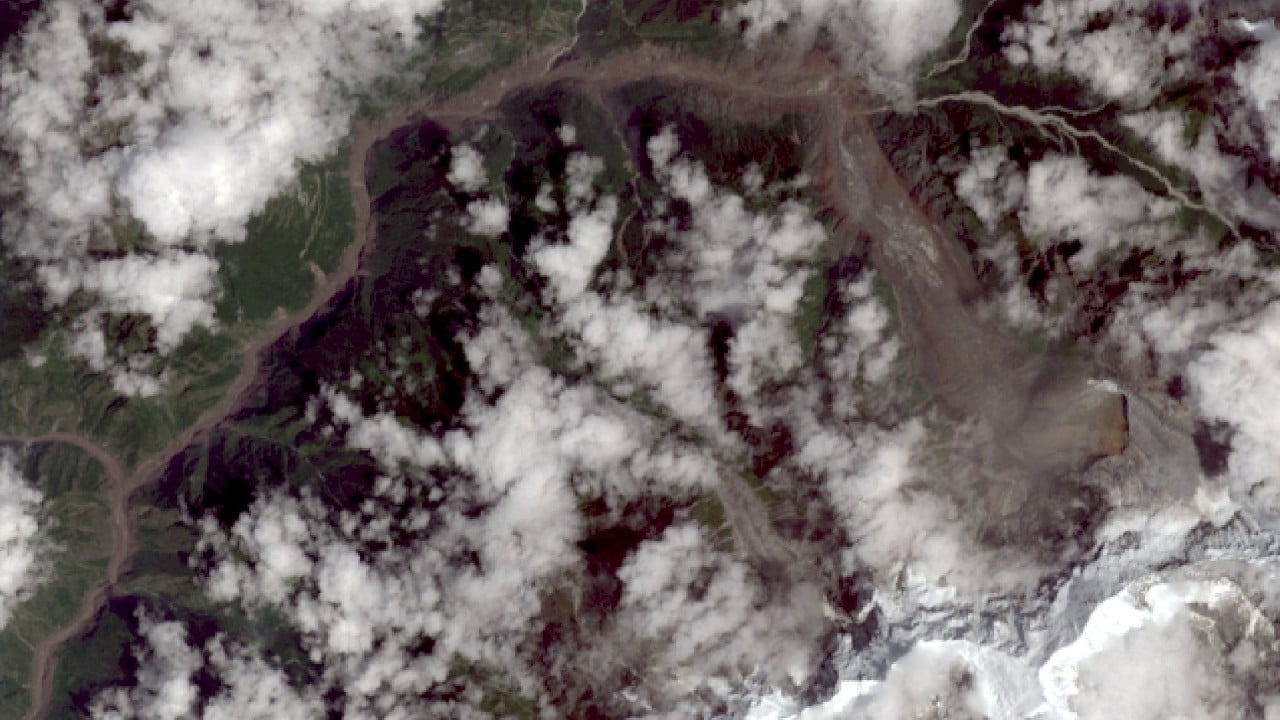
These regional risks could extend to landlocked Central Asia, where governments already grappling with severe water shortages might seek Chinese support. Observers suggest Beijing's expanding influence could lead to cooperation in modernizing irrigation systems and managing the transboundary rivers shared with China, such as those originating in the Tian Shan mountains.
According to Oleg Abdurashitov, chief policy adviser at Outpost Eurasia, Central Asia's water supplies face chronic strain from factors predating the conflict, including climate change, population growth, and urbanization. Unlike the Persian Gulf states reliant on desalination, the region's water security is intrinsically linked to glacier-fed rivers, many originating in areas bordering China.
the same factors that have plagued Iran’s water supply long before the onset of hostilities
About this summary
Originally published by South China Morning Post. Summarized and contextualized automatically by DistantNews, with a note on how the source frames the story. Not individually reviewed before publishing. How this works.
More Stories

From Our Blog

Countries Without a Free Press: The 2026 List and What It Means for Readers

What Press Freedom Means for the News You Read

News in Translation: What Gets Lost, and How We Keep the Framing

Diaspora Media: How Communities Abroad Follow Home

Traveling Where the Press Is Not Free: How to Read the News There
