


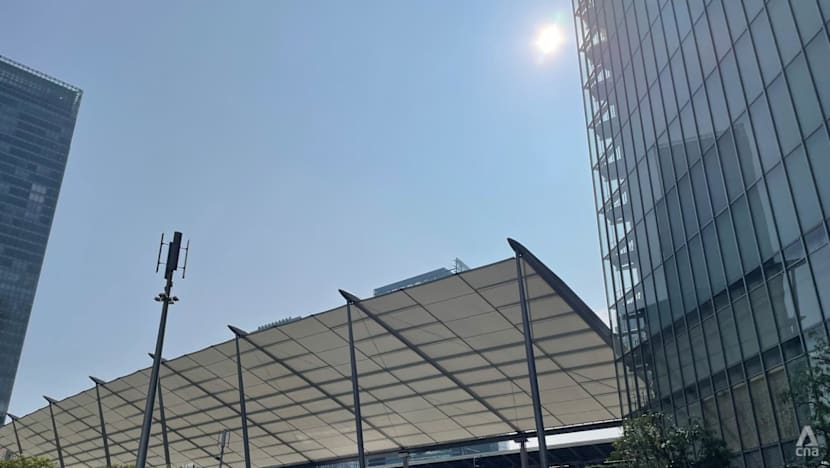
As Japan swelters, staying cool amid a summer heatwave becomes a way of life
Summarized and contextualized by DistantNews.
At a glance
News
Sources not specified
Context piece
- Japan is experiencing one of its hottest summers on record, with temperatures exceeding 40 degrees Celsius for five consecutive days.
- People are adapting by using cooling gadgets, changing daily routines, and seeking air-conditioned spaces.
- The extreme heat has led to a surge in hospitalizations for heatstroke, with thousands affected and dozens of fatalities reported.
Japan is grappling with an intense summer heatwave, pushing temperatures to record highs and forcing residents to fundamentally alter their daily lives. The nation has endured an unprecedented five consecutive days with temperatures above 40 degrees Celsius, peaking at 41.1 degrees Celsius in Hamamatsu. This extreme heat has made staying cool a primary focus, influencing everything from personal habits to public infrastructure.
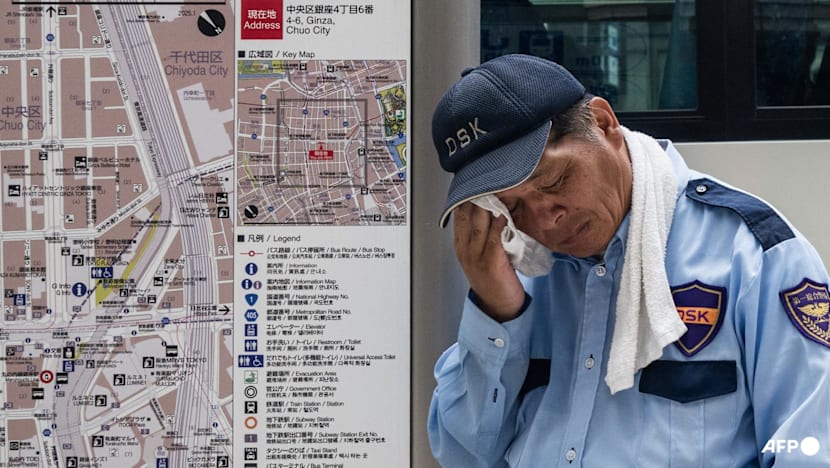
On the streets of Tokyo, people are employing a variety of strategies to beat the heat. Handheld fans, UV-blocking umbrellas, and cooling neck rings are common sights. Acts of kindness, like offering ice packs to strangers, highlight the shared struggle. Retailers have responded by dedicating significant shelf space to cooling products. Even personal routines are shifting; office worker Kana Sato now keeps her air conditioner running all night, a change from her previous habit of setting timers.
For many, leisure time now revolves around finding cool indoor environments. Hongjin Park, a resident of Tokyo, spends his days off at cafes or the gym to escape the stifling heat. The heatwave's impact extends even to Japan's punctual train system, with commuter services experiencing delays due to passengers falling ill on board. The Japan Meteorological Agency has even introduced new terminology, such as "kokushobi" (cruelly hot days), to describe the severity of the heat, reflecting the punishing conditions following last year's severe summer.
The public health toll has been severe. In the week of July 13, over 10,800 people were hospitalized for heatstroke, more than double the previous week's figure. Fourteen people died, and over 300 remain in serious condition. Osaka reported the highest number of heat-related illnesses, underscoring the widespread danger posed by the prolonged extreme temperatures.
DistantNews Editorial
Originally published by CNA. Summarized and contextualized by our editorial team with added local perspective. Read our editorial standards.
More Stories


From Our Blog

What Gets Lost (and Found) When News Is Translated

The Critical Role of Diaspora Media in Global News

What Travellers Should Know About Countries with Restricted Press

A Digital Nomad's Guide to Following Local News

How the Same Story Looks Different in Different Countries
