


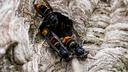
Asian Hornet Spreading Rapidly Across Europe, Threatening Native Insects
Translated from Croatian, summarized and contextualized by DistantNews.
At a glance
News
Sources not specified
Ongoing story
- The Asian hornet is rapidly spreading across Europe, posing a threat to native insect populations.
- This invasive species primarily preys on bees, wasps, flies, and grasshoppers to feed its young.
- Its presence can cause significant problems for local ecosystems and beekeeping.
- While generally not aggressive towards humans, attacks can occur in specific circumstances.
The Asian hornet (Vespa velutina) continues its aggressive expansion across Europe, raising concerns among entomologists and environmentalists about its impact on native ecosystems. This invasive predator has established a significant presence in various European countries, disrupting local insect populations.
Primarily, the Asian hornet poses a substantial threat to honeybee colonies and other beneficial insects. To sustain its brood, the hornet engages in voracious hunting, targeting bees, wasps, flies, and grasshoppers. This predatory behavior can lead to a decline in native insect numbers, affecting pollination and the broader food web. Beekeepers, in particular, face challenges as these hornets can decimate hives.
While the Asian hornet is not inherently aggressive towards humans and typically attacks only when its nest is threatened, caution is advised. Encounters can occur, and while fatalities are rare, their stings can be painful and dangerous for individuals with allergies. The spread of this species highlights the ecological challenges posed by invasive organisms and the need for monitoring and control efforts across the continent.
DistantNews Editorial
Originally published by Večernji List in Croatian. Translated, summarized, and contextualized by our editorial team with added local perspective. Read our editorial standards.
More Stories


From Our Blog

What Gets Lost (and Found) When News Is Translated

The Critical Role of Diaspora Media in Global News

What Travellers Should Know About Countries with Restricted Press

A Digital Nomad's Guide to Following Local News

How the Same Story Looks Different in Different Countries
