


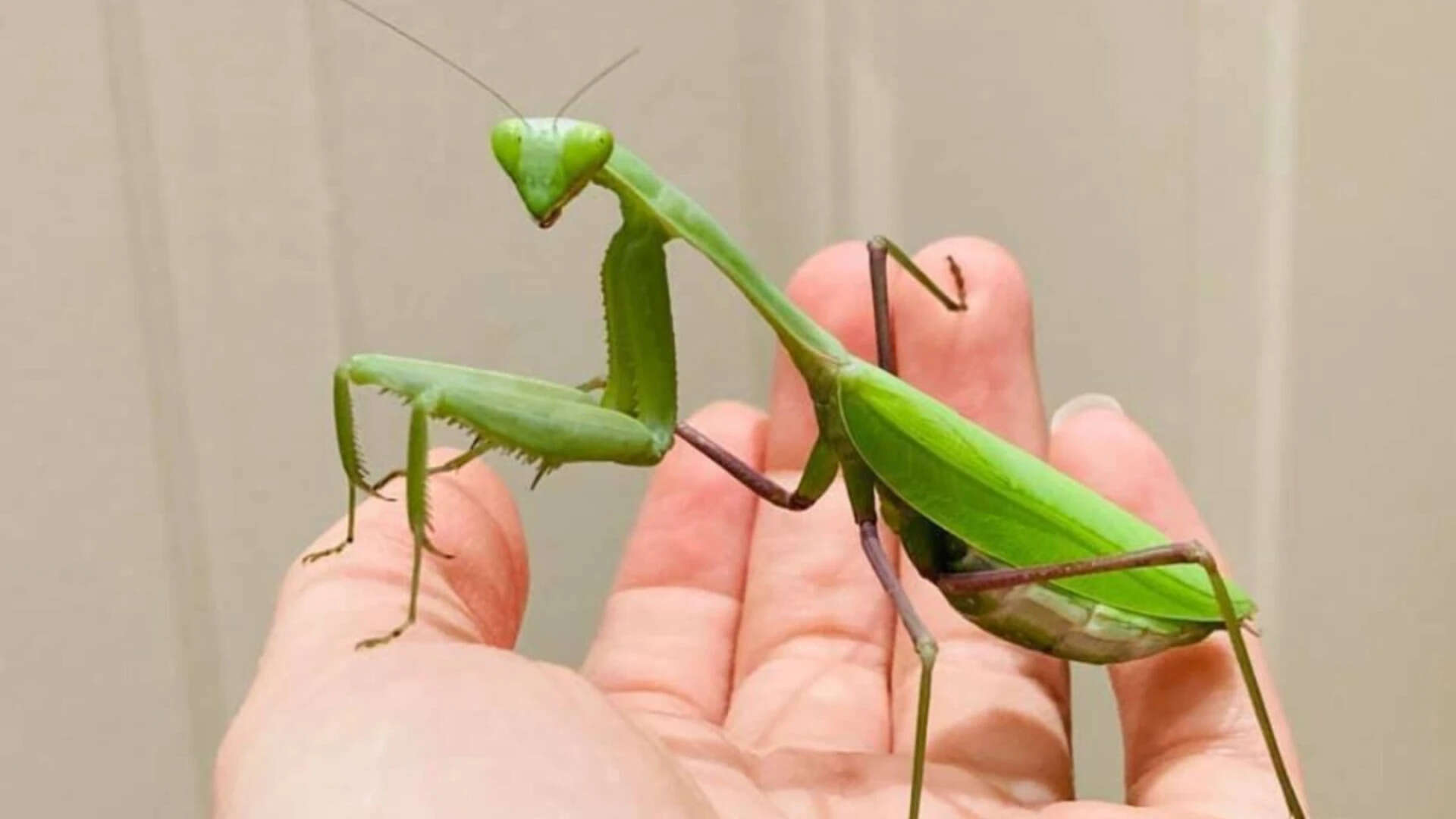
Asian praying mantises spreading across Europe threaten native wildlife, scientists warn
Translated from English, summarized and contextualized by DistantNews.
At a glance
News
Named sources
New plan
- Two species of giant Asian praying mantises are rapidly spreading across Europe, posing a threat to native wildlife.
- Scientists have officially classified them as Invasive Alien Species due to their aggressive hunting of pollinators and native species.
- Climate change and warmer urban environments are facilitating their northward expansion, alarming researchers about their ecological impact.
Two species of giant Asian praying mantises are rapidly colonizing Europe, prompting scientists to officially designate them as invasive threats to native wildlife. The insects, Hierodula tenuidentata and Hierodula patellifera, are aggressively hunting crucial native pollinators like honeybees, as well as protected species such as lizards and tree frogs. Alarmingly, they also pose a deadly threat to Europe's own native mantis species through aggressive mating encounters. Researchers have observed a significant increase in the mantises' numbers across mainland Europe and the Mediterranean region in recent years. This expansion is largely attributed to rising global temperatures and the warmer microclimates found in urban areas. "They are pushing increasingly further north, thanks to climate change," stated Roberto Battiston, lead author of the study published in the Journal of Orthoptera Research. He noted that established populations are now regularly spotted in parks and gardens, often mistaken for interesting garden insects rather than environmental threats. The success of these invasive mantises is driven by their adaptability and exceptionally high reproductive rate. A single egg case can yield around 200 young, nearly double that of the native European mantis, Mantis religiosa. Furthermore, the young invasive mantises exhibit lower rates of cannibalism, ensuring a higher survival rate to adulthood. This rapid population growth poses a serious risk to local ecosystems, particularly on Mediterranean islands which host unique biodiversity.
They are pushing increasingly further north, thanks to climate change.
DistantNews Editorial
Originally published by Times of India in English. Translated, summarized, and contextualized by our editorial team with added local perspective. Read our editorial standards.
More Stories



From Our Blog

What Press Freedom Means for the News You Read

What Gets Lost (and Found) When News Is Translated

The Critical Role of Diaspora Media in Global News

What Travellers Should Know About Countries with Restricted Press

A Digital Nomad's Guide to Following Local News
