

Asian stocks rally as US Treasury steps in to ease bond fears
Summarized and contextualized by DistantNews.
At a glance
News
Named sources
Context piece
- Asian markets rallied on Thursday, with Seoul leading gains, after the US Treasury announced it would "at least double" the amount of long-term bonds it sells.
- The move aims to lower borrowing costs and ease investor fears about rising inflation, government debt, and potential Federal Reserve interest rate hikes.
- Tech stocks, particularly in Seoul, saw significant gains, with SK hynix and Samsung climbing sharply, while oil prices remained elevated due to fading hopes for a US-Iran deal.
Asian markets experienced a significant rally on Thursday, with Seoul taking the lead, following a surprise announcement from the US Treasury. The Treasury stated it would "at least double" the amount of long-term bonds it auctions, a move designed to suppress surging borrowing costs.
This is probably more about the signal the administration wants to send to the market than the size of the operation - it's small potatoes vs the US$40 trillion US government debt.
This intervention comes after yields on US Treasury bonds, particularly 10- and 30-year maturities, had climbed to near two-decade highs. Investors had grown increasingly worried about persistent inflation, substantial government borrowing, and the possibility of further interest rate hikes by the Federal Reserve. The Treasury's action provided a much-needed reassurance, prompting a reversal in US equities and a decline in the dollar.
I see it as a very strong sign that the Treasury has decided higher US yields are unacceptable, and that the recent blowout in the long end is undesirable.
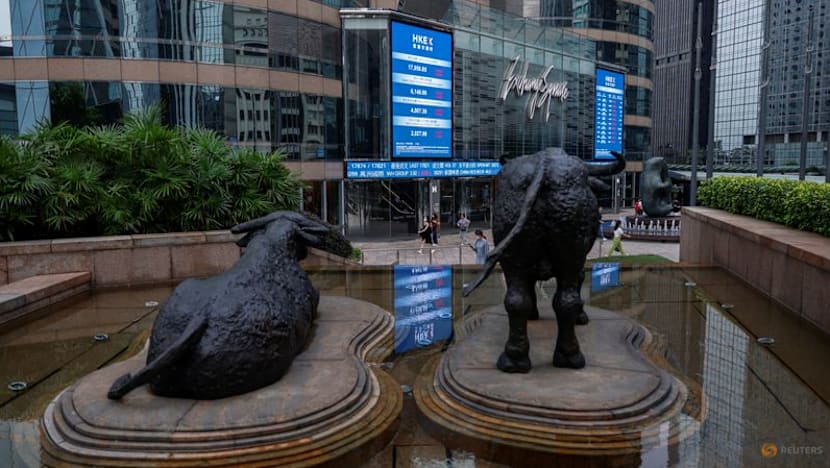
Technology firms, which had been particularly hard-hit by recent market volatility due to their reliance on debt for investments like AI, saw a strong rebound. In Seoul, chipmaker SK hynix surged over 12 percent, boosted by its own announcement of a $29 billion share buyback. Samsung also posted significant gains. Similar positive trends were observed in Tokyo, Hong Kong, Shanghai, Sydney, Wellington, and Manila.
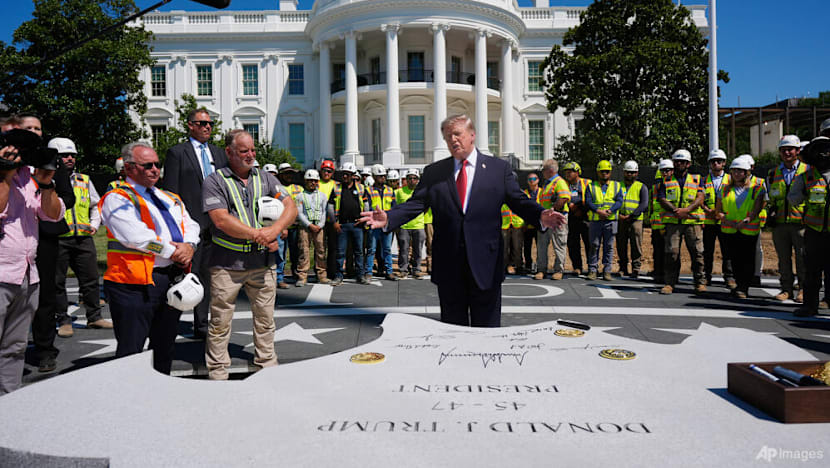
Clearly, Donald (Trump) is not happy yields have blown out.
Despite the positive sentiment in equity markets, crude oil prices continued their upward trend. This is attributed to diminishing hopes for a US-Iran deal that would reopen the Strait of Hormuz, a critical shipping lane. Ongoing naval actions and warnings in the Gulf region further contribute to market uncertainty. Meanwhile, minutes from the Federal Reserve's July meeting indicated that many policymakers believe interest rate hikes may be necessary if inflation does not subside, adding a layer of caution to the economic outlook.
The key question now is whether the fall in yields can last. If oil prices remain elevated and concerns over US borrowing continue, pressure on the long end of the Treasury curve could return.
DistantNews Editorial
Originally published by CNA. Summarized and contextualized by our editorial team with added local perspective. Read our editorial standards.
More Stories

From Our Blog

What Gets Lost (and Found) When News Is Translated

The Critical Role of Diaspora Media in Global News

What Travellers Should Know About Countries with Restricted Press

A Digital Nomad's Guide to Following Local News

How the Same Story Looks Different in Different Countries
