


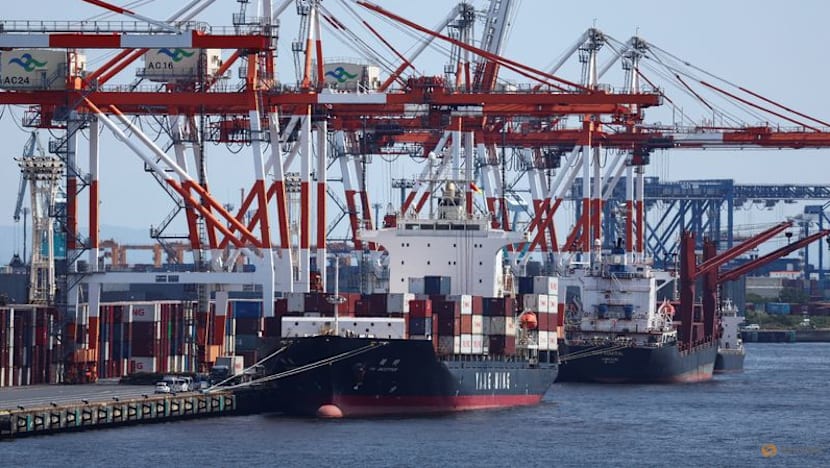
Japan's exports jump 23% to monthly record in July
Summarized and contextualized by DistantNews.
At a glance
News
Documents & data
Context piece
- Japan's exports reached a record high of 11.5 trillion yen in July, marking a 23.2% year-on-year increase.
- This export surge supports an economy increasingly reliant on overseas demand due to weak domestic consumption and investment.
- The strong trade figures follow recent data showing the Japanese economy expanding for the third consecutive quarter.
Japan's exports surged to a record 11.5 trillion yen (US$72.62 billion) in July, a 23.2% increase year-on-year, driven by resilient global demand. This performance exceeded market forecasts and follows a 19.3% rise in June, underscoring the growing importance of overseas shipments for the Japanese economy.
The robust export figures provide crucial support to an economy grappling with weak domestic demand, particularly in private consumption and business investment. This trend is highlighted by recent data indicating that Japan's economy has expanded for three consecutive quarters, from April to June.
Exports to the United States saw a significant rise of 22% in July, while shipments to China increased by an even more substantial 25.8%. Despite these strong export numbers, imports also grew by 27.8%, leading to a trade deficit of 634.5 billion yen for July, though this was slightly better than the forecasted deficit of 680 billion yen.
The increase in import values is partly attributed to the lingering effects of disruptions in the Strait of Hormuz earlier in the year, which caused a spike in crude oil and commodity prices. Although oil prices have since retreated, the impact on import values, which are based on contracts agreed weeks earlier, typically appears with a lag. Higher commodity and energy costs have also enabled Japanese manufacturers to pass on expenses to international customers, boosting export values even as export volumes grew more modestly.
DistantNews Editorial
Originally published by CNA. Summarized and contextualized by our editorial team with added local perspective. Read our editorial standards.
More Stories



From Our Blog

What Gets Lost (and Found) When News Is Translated

The Critical Role of Diaspora Media in Global News

What Travellers Should Know About Countries with Restricted Press

A Digital Nomad's Guide to Following Local News

How the Same Story Looks Different in Different Countries
