


Astronomers debate discovery of first exomoon
Translated from German, summarized and contextualized by DistantNews.
At a glance
News
Named sources
New plan
- Astronomers report the potential discovery of the first exomoon, a satellite orbiting a brown dwarf which itself orbits a star.
- The object, detected using the Very Large Telescope, is described as an
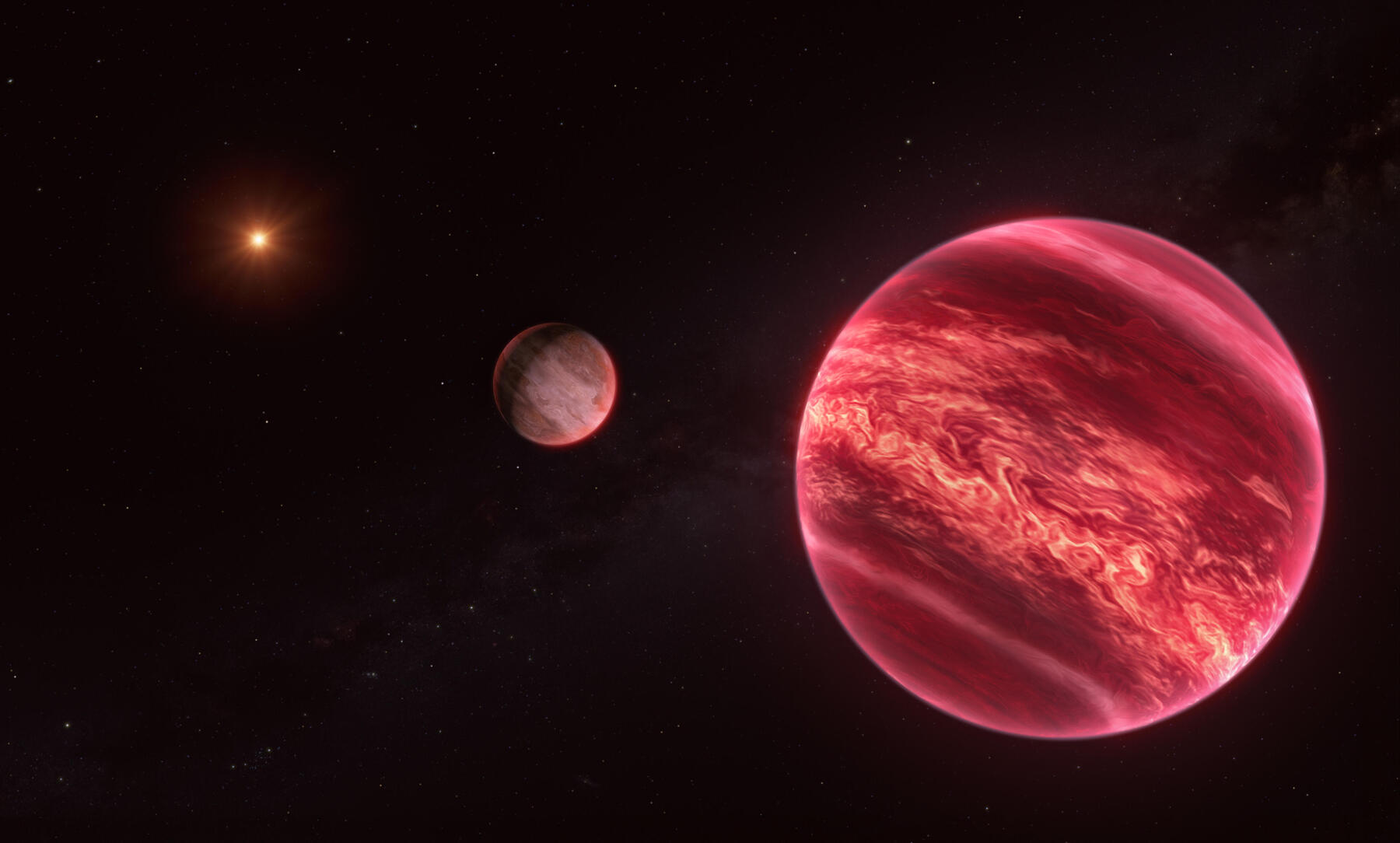
Astronomers using the European Southern Observatory's Very Large Telescope have reported the potential discovery of the first exomoon. The object, described as an "exo-satellite," orbits a brown dwarf that in turn orbits a star 73 light-years away. This finding, published in the journal Nature, is based on radial velocity measurements, the same method used to detect the first exoplanet over 30 years ago.
The definition of an exomoon is debated, especially in this case. The object is not orbiting a planet but a brown dwarf, an object between a planet and a star that cannot sustain nuclear fusion. The "exo-satellite" is substantial, with at least the mass of Jupiter, while the brown dwarf it orbits has 30 Jupiter masses. The central star is smaller than our sun.
Our own solar system's moon is considered unusually large relative to Earth, making this newly detected system a significant departure from the familiar Earth-moon model. The researchers have placed the term "exomoon" in quotation marks, highlighting the ongoing discussion about classification and terminology in the field of exoplanetary science.
DistantNews Editorial
Originally published by Die Presse in German. Translated, summarized, and contextualized by our editorial team with added local perspective. Read our editorial standards.
More Stories



From Our Blog

What Gets Lost (and Found) When News Is Translated

The Critical Role of Diaspora Media in Global News

What Travellers Should Know About Countries with Restricted Press

A Digital Nomad's Guide to Following Local News

How the Same Story Looks Different in Different Countries
