


Astronomers discover sugar molecules in space, hinting at life's origins
Translated from Korean, summarized and contextualized by DistantNews.
At a glance
News
Sources not specified
Context piece
- Astronomers have detected a sugar molecule, erythrose, in the interstellar medium between planets, similar to those found in raspberries.
- This discovery, made using radio telescopes analyzing gas and dust clouds near the galactic center, contributes to understanding the origins of life.
- The findings, published in Nature Astronomy, suggest that essential components for life may exist throughout the galaxy, potentially supporting the development of extraterrestrial life.
A significant discovery in space has revealed the presence of a sugar molecule, known as erythrose, within the vast expanse between stars. This sugar, similar to the type found in raspberries, has been detected in the interstellar medium, the diffuse gas and dust that permeates the space between planetary systems.
This is the most valuable sample among the materials floating in the galaxy.
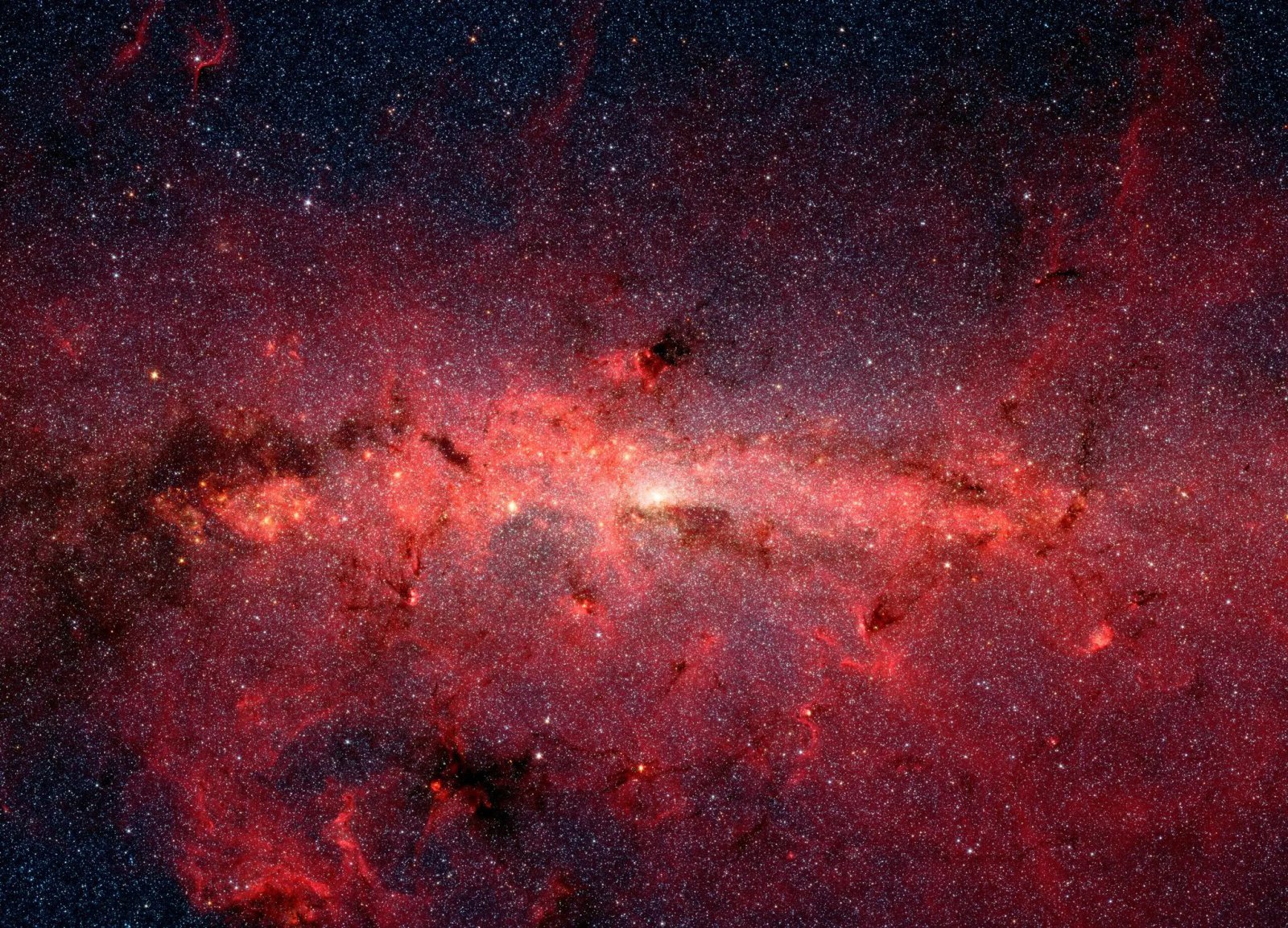
Scientists from the Spanish Center of Astrobiology used two large dish-shaped radio telescopes to gather data from extensive gas clouds near the center of the Milky Way. By comparing telescope signals with laboratory samples, they confirmed the existence of this sugar within the gas. The most recent form of this sugar was found in regions traversed by NASA's Voyager spacecraft, highlighting the molecule's presence across vast cosmic distances.
The research, published on July 13 in the journal Nature Astronomy, is part of a broader chemical study of our galaxy. This marks a significant step in understanding the building blocks of life. The discovery of molecules similar to those found in DNA and cellular components in the galactic core is particularly intriguing.
The presence of sugars discovered at one point in the universe suggests that they may also be hidden in more distant asteroids in the galaxy or mixed with other components.
Erythrose, while not directly essential for life as we know it, possesses characteristics that allow it to easily transform into forms necessary for triggering the origin of life on Earth. Professor Erika Hamden from the University of Arizona's astronomy department described it as the most valuable sample found in galactic material. This research directly connects to the fundamental question of life's origins: whether essential components were delivered to Earth by meteorites or if they formed naturally within our solar system. The ongoing search for more sugar molecules in space aims to trace their transformations and understand their role in the potential for life beyond Earth.
The fact that the main components that are the origin of life can exist in distant parts of our galaxy opens up the possibility that life may also arise and develop in other parts of the universe.
DistantNews Editorial
Originally published by Dong-A Ilbo in Korean. Translated, summarized, and contextualized by our editorial team with added local perspective. Read our editorial standards.
More Stories



From Our Blog

What Gets Lost (and Found) When News Is Translated

The Critical Role of Diaspora Media in Global News

What Travellers Should Know About Countries with Restricted Press

A Digital Nomad's Guide to Following Local News

How the Same Story Looks Different in Different Countries
