

At least 10,000 EV charging stations needed across the country
Summarized and contextualized by DistantNews.
At a glance
News
Documents & data
New plan
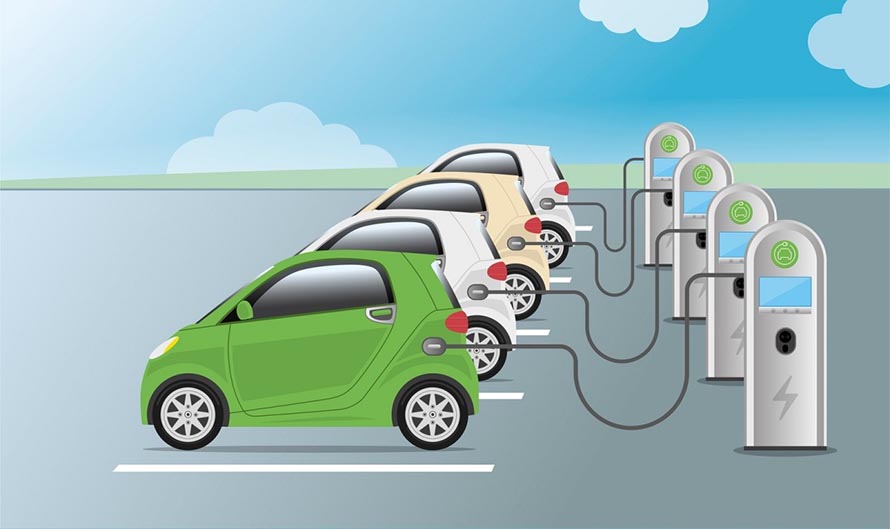
- Nepal needs at least 10,000 electric vehicle (EV) charging stations by 2030 to promote EV adoption, according to a ministry study.
- Currently, only 1,000 charging stations operate nationwide, primarily in urban areas.
- Challenges include charging infrastructure, battery costs, road conditions, and limited skilled labor, though the government aims to boost EV use to increase domestic hydropower consumption.
Nepal must establish at least 10,000 electric vehicle (EV) charging stations by 2030 to effectively promote their use, a study by the Ministry of Infrastructure Development recommends. The report, titled 'Opportunities, Challenges and Prospects for EV Promotion in Nepal,' highlights the critical need for expanded charging infrastructure.
Currently, Nepal operates approximately 1,000 charging stations, with most concentrated in major urban centers like Kathmandu, Pokhara, and Bharatpur. These stations are predominantly run by official EV dealers. Insufficient charging facilities on highways and in rural areas pose significant problems for using EVs for public transport and long-distance travel.
The study identified numerous challenges hindering EV adoption. These include charging infrastructure gaps, high battery costs, inadequate road infrastructure, and issues with battery reuse and disposal. Furthermore, a lack of skilled human resources, limited private sector involvement, dependence on imported spare parts, high initial costs, low resale values, vehicle quality concerns, and a shortage of qualified drivers were also cited.
Despite these hurdles, the Nepali government is committed to promoting EVs as part of its policy to increase domestic consumption of hydropower. The upcoming fiscal year's budget also includes provisions for EV promotion. The Nepal Electricity Authority (NEA) is already operating 62 fast chargers, and the 'Energy Consumption Growth and Export Strategy, 2083' aims to expand the charging station network nationwide by the fiscal year 2085/86, with the NEA designated as the responsible body.
Insufficient charging facilities on highways, rural areas and villages have caused problems in using electric vehicles as public transport and managing long-distance travel.
DistantNews Editorial
Originally published by OnlineKhabar English. Summarized and contextualized by our editorial team with added local perspective. Read our editorial standards.
More Stories


From Our Blog

What Gets Lost (and Found) When News Is Translated

The Critical Role of Diaspora Media in Global News

What Travellers Should Know About Countries with Restricted Press

A Digital Nomad's Guide to Following Local News

How the Same Story Looks Different in Different Countries
