


“At Our Doorstep”: Turkey Warns Greece After Athens Signs Defense Pact With Israel
Translated from Romanian and summarized by DistantNews. Read the original for the full story.
At a glance
Analysis
Named sources
Ongoing story
- President Recep Tayyip Erdoğan warned that Turkey would do what was necessary after Greece and Israel signed a major defense agreement.
- The roughly €3 billion “Achilles Shield” project will deploy multilayered air defenses in northern Greece and on several Aegean islands close to Turkey.
- The agreement has fueled concern over worsening tensions involving Turkey, Greece and Israel in the eastern Mediterranean.
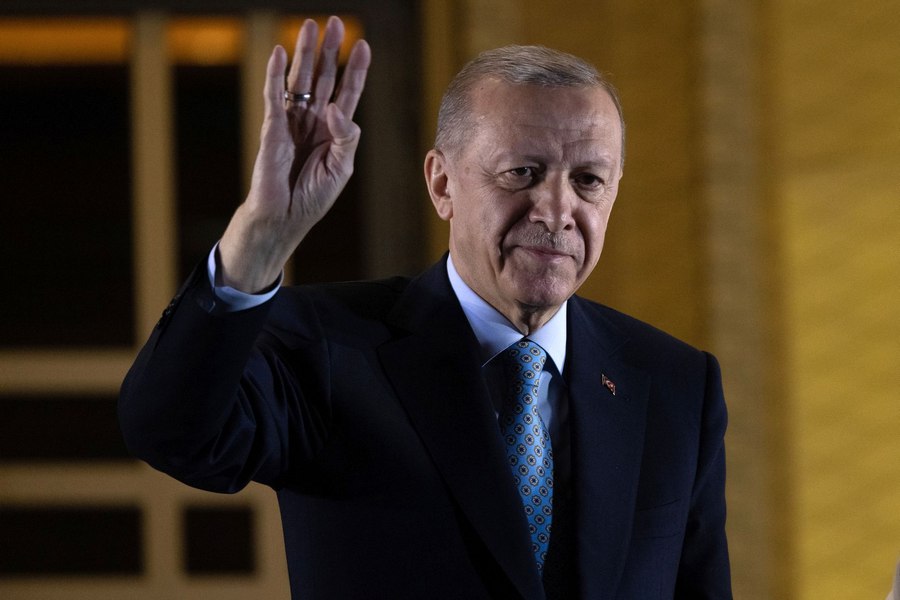
Turkey has delivered its first major security warning since signing an unusually significant military pact with Saudi Arabia and Pakistan. President Recep Tayyip Erdoğan issued the warning after Greece and Israel agreed to build and deploy a multilayered air-defense system in areas close to Turkey.
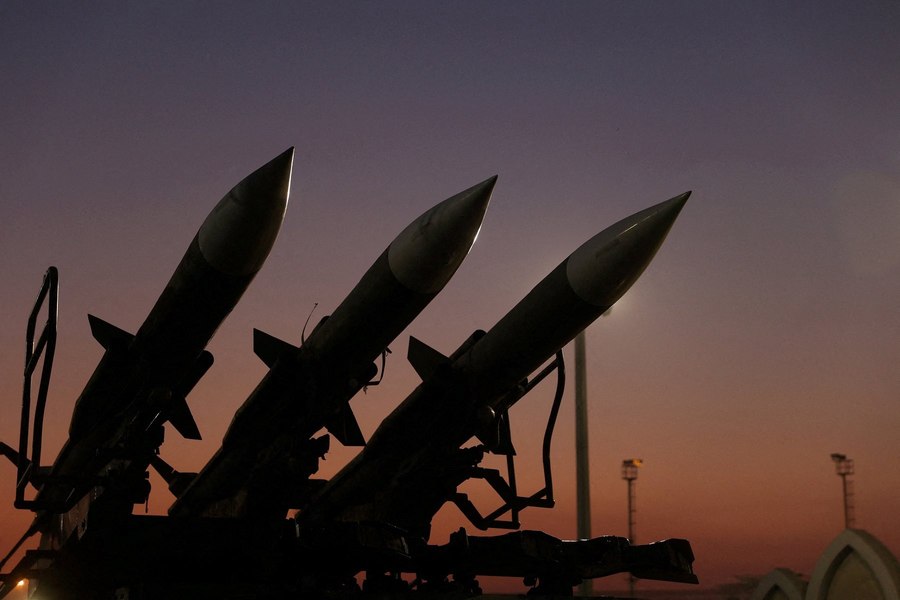
The Greek-Israeli agreement, known as “Achilles Shield,” is worth about €3 billion and is described as the largest defense deal in the history of relations between the two countries. The system will cover northern Greece and several Greek islands in the Aegean, some of them immediately adjacent to Turkish territory.
Erdoğan said Turkey would do “what is necessary,” adding: “Those who believe that our cautious approach is a sign of weakness are making a grave mistake.” The remarks represent a direct reaction to the agreement and raise questions about how Ankara defines territories of direct security interest under its expanding military partnerships.
What is necessary
The planned network will combine several Israeli-made systems. David’s Sling will address medium-range missiles and airborne threats, while Barak MX will defend against various targets. Spyder will provide very-short-range protection against aircraft, drones and cruise missiles. A new command-and-control system is also planned to coordinate the different platforms rather than operate isolated batteries. A separate Drone Dome contract will protect strategic military sites.
The agreement has prompted warnings that tensions could destabilize the eastern Mediterranean, particularly as harsh rhetoric and direct threats have emerged between Turkey and Israel. The Romanian publication cites Nordic Monitor, which reported that Turkey is planning war scenarios and referred to a recent letter from Ankara’s defense minister to parliament. The article presents the developments as a possible link between tensions in the eastern Mediterranean, the Aegean, the Black Sea and the Caspian region, with potential military and economic effects on maritime transport.
Those who believe that our cautious approach is a sign of weakness are making a grave mistake.
About this summary
Originally published by Adevărul in Romanian. Translated, summarized, and contextualized automatically by DistantNews, with a note on how the source frames the story. Not individually reviewed before publishing. How this works.
More Stories


From Our Blog

What Gets Lost (and Found) When News Is Translated

The Critical Role of Diaspora Media in Global News

What Travellers Should Know About Countries with Restricted Press

A Digital Nomad's Guide to Following Local News

How the Same Story Looks Different in Different Countries
