

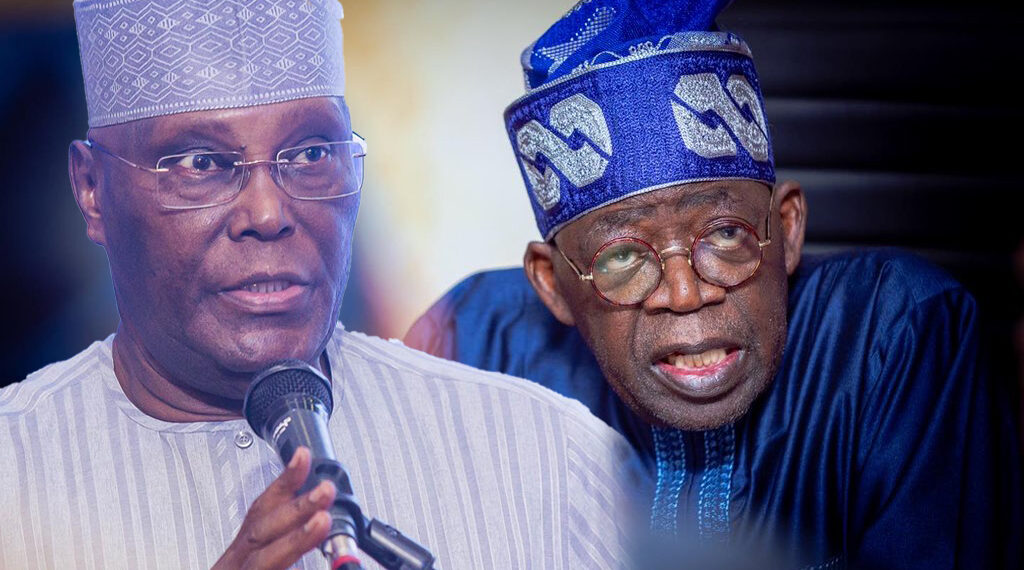

Atiku Doubles Down on Plan to Restore Fuel Subsidy
Summarized and contextualized by DistantNews.
At a glance
News
Named sources
New plan
- Former Vice President Atiku Abubakar advocates for restoring a targeted petrol subsidy, criticizing President Tinubu's economic policies.
- Abubakar claims Tinubu's administration removed subsidies for the poor while offering incentives to wealthy oil investors.
- He cited NNPC's financial records showing continued public spending on fuel costs despite the subsidy removal announcement.
Former Vice President Atiku Abubakar has strongly reiterated his proposal to reinstate a targeted petrol subsidy, directly accusing President Bola Tinubu of implementing contradictory economic policies. Abubakar contends that the current administration has removed support for ordinary Nigerians while simultaneously providing tax credits, concessions, and other incentives to major players in the petroleum industry.
Abubakar, through his spokesperson Phrank Shaibu, labeled the federal government's assertion that the petrol subsidy has been abolished as a significant economic deception. He argued that public funds are still being used to manage costs and support investments within the same sector. The former vice president asserted that the Tinubu administration has shifted the burden of economic adjustments onto households, while offering fiscal support to large petroleum investors.
Tinubu stood at Eagle Square and declared that subsidy was gone. Petrol prices exploded, transportation costs soared, food prices followed, businesses buckled and household purchasing power collapsed. Nigerians were told there was no alternative and that enduring this pain was the necessary price of economic reform.
"Tinubu stood at Eagle Square and declared that subsidy was gone. Petrol prices exploded, transportation costs soared, food prices followed, businesses buckled and household purchasing power collapsed. Nigerians were told there was no alternative and that enduring this pain was the necessary price of economic reform," Abubakar stated. He contrasted this with the government's approach to oil investors, adding, "But when major oil investors knock on Tinubu’s door, the sermon changes. Suddenly, government intervention is good economics; tax credits are necessary; fiscal concessions are strategic; and private investment must be ‘de-risked.’ Apparently, subsidy is only evil when poor Nigerians benefit from it."
Abubakar questioned the rationale behind providing fiscal incentives to petroleum investors while rejecting targeted interventions aimed at easing the financial strain of high energy costs on households. He specifically pointed to the government's Deep Offshore Oil and Gas Projects Incentives framework, which offers production tax credits for qualifying developments, as evidence that government intervention remains a part of the administration's economic strategy. Furthermore, he challenged the administration's explanations for energy-security expenses recorded by the Nigerian National Petroleum Company Limited (NNPC), citing figures that suggest public resources continue to absorb petroleum price differentials despite the official declaration of subsidy removal.
But when major oil investors knock on Tinubu’s door, the sermon changes. Suddenly, government intervention is good economics; tax credits are necessary; fiscal concessions are strategic; and private investment must be ‘de-risked.’ Apparently, subsidy is only evil when poor Nigerians benefit from it.
DistantNews Editorial
Originally published by ThisDay. Summarized and contextualized by our editorial team with added local perspective. Read our editorial standards.
More Stories


From Our Blog

How the Same Story Looks Different in Different Countries

What Gets Lost (and Found) When News Is Translated

The Critical Role of Diaspora Media in Global News

What Travellers Should Know About Countries with Restricted Press

A Digital Nomad's Guide to Following Local News
