


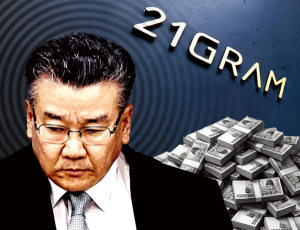
Audit of Presidential Residence Relocation Criticized Amid Official's Arrest
Translated from Korean, summarized and contextualized by DistantNews.
At a glance
Analysis
Named sources
Under investigation
- An investigation into the relocation of former President Yoon Suk-yeol's official residence has concluded, with allegations of irregularities surrounding the selection of a construction company.
- The investigation reportedly faced delays and did not include an inquiry into the First Lady's potential involvement, despite suspicions.
- A key official from the Board of Audit and Inspection, Yoo Byeong-ho, was arrested for allegedly obstructing the audit, raising questions about the investigation's integrity.
An investigation into the relocation of former President Yoon Suk-yeol's official residence has concluded, but the process itself has become mired in controversy and allegations of obstruction.
The Presidential Transition Committee reportedly changed the construction company for the residence relocation to '21 Gram,' a small firm with ties to First Lady Kim Keon-hee, around April 2022. This company allegedly lacked the necessary qualifications for work at the highly secure residence. The Board of Audit and Inspection (BAI) was suspected of investigating Kim Keon-hee's potential involvement.
However, the audit was reportedly delayed for 21 months and concluded without questioning Kim Keon-hee, ultimately determining that no special favors were granted. This outcome has been questioned, especially following the arrest of Yoo Byeong-ho, the former BAI Secretary-General, on charges of obstructing the audit. He is accused of preventing BAI officials from questioning presidential office staff and '21 Gram' employees, and of attempting to conceal and downplay the audit's findings.
Prosecutors reportedly believe the presidential office requested Yoo to suppress the investigation. Yoo's mobile phone records allegedly show memos referring to former President Yoon as 'the boss' and discussing the need for 'authority to carry out the mission,' even calling the residence relocation 'the greatest decision since the Gyeongbu Expressway.' These memos suggest a deep loyalty that critics argue compromised the BAI's independence and neutrality.
Further complicating matters, the presidential office allegedly used 2 billion won in reserve funds from the Ministry of the Interior and Safety for the residence construction, despite the company's lack of proper blueprints. The ministry's staff reportedly protested this diversion of funds. Kim Oh-jin, former Presidential Secretariat for Management, testified to prosecutors that he heard '21 Gram' was the company chosen by Kim Keon-hee. The article suggests these events raise suspicions about Kim Keon-hee's early involvement in state affairs and potential acceptance of expensive gifts in exchange for political influence.
the greatest decision since the Gyeongbu Expressway
DistantNews Editorial
Originally published by Dong-A Ilbo in Korean. Translated, summarized, and contextualized by our editorial team with added local perspective. Read our editorial standards.
More Stories


From Our Blog

What Gets Lost (and Found) When News Is Translated

The Critical Role of Diaspora Media in Global News

What Travellers Should Know About Countries with Restricted Press

A Digital Nomad's Guide to Following Local News

How the Same Story Looks Different in Different Countries
