

Aurangzeb terms Asaan Tax scheme for traders a ‘paradigm shift’
Summarized and contextualized by DistantNews.
At a glance
News
Named sources
New plan
- Pakistan's Finance Minister Muhammad Aurangzeb launched the "Asaan Tax" scheme for traders, calling it a "paradigm shift" to broaden the tax net.
- The scheme sets a 1% tax rate for traders and aims to limit discretionary powers of tax officers through a Central Processing Unit.
- Aurangzeb also discussed upskilling Pakistani freelancers and the government's move towards regulating cryptocurrency.
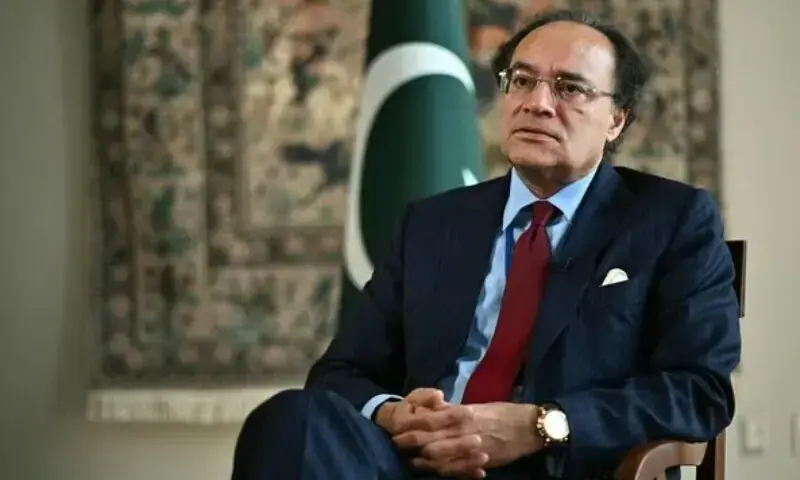
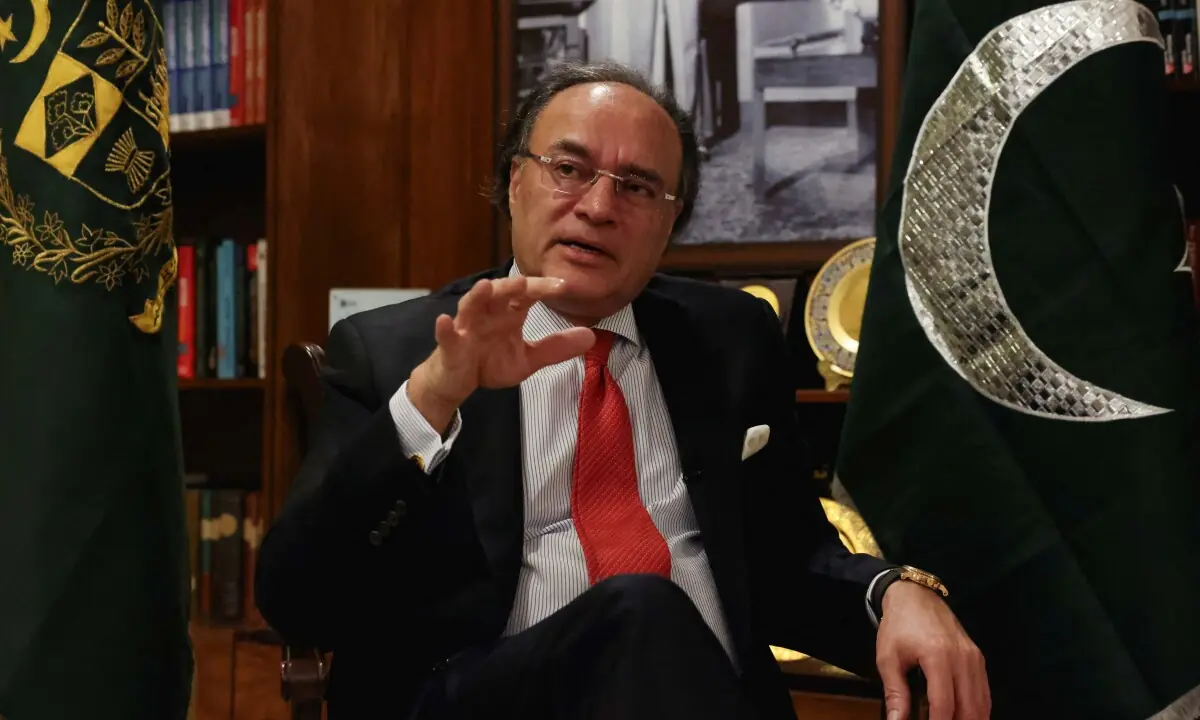
Pakistan's Finance Minister Muhammad Aurangzeb has introduced the "Asaan Tax" scheme, a new initiative aimed at traders, which he described as a "paradigm shift" in the government's efforts to expand the tax net. The scheme establishes a 1% tax rate for traders, marking a starting point in a broader strategy for economic reform.
We kept the tax rate at 1pc for traders because we have to start somewhere. However, it is part of a broader framework to expand the tax net, and we are moving in the right direction.
Aurangzeb explained that the initiative is part of a "new operating model" for tax collection designed to minimize human intervention. A Central Processing Unit will oversee operations, leveraging comprehensive data from third-party sources and tax records. This system is intended to reduce the discretionary powers of income tax officers. The minister highlighted that the budget has been positively received and that the government's focus is on accelerating economic growth through "enforcement and compliance" rather than introducing new taxes.
There will be a Central Processing Unit that will monitor everything. We have comprehensive data.
The minister also touched upon the potential for Pakistani freelancers, noting that they could significantly increase their earnings by upskilling in blockchain technology. Currently earning $10 to $12 per hour for coding, freelancers could potentially earn between $50 and $250 per hour. This advice is framed within the context of emerging technologies like Web 3.0, artificial intelligence, and cryptocurrency, all of which rely on blockchain.
The Pakistani freelancing community, the third largest in the world, is earning $10 to $12 per hour for coding. Through upskilling or reskilling in blockchain technology, they can earn between $50 and $250 per hour.
Addressing the status of cryptocurrency in Pakistan, Aurangzeb stated that the government is working to regulate the activity and move towards tokenization. He also commented on the recent United States-Iran deal, calling it a "welcome development" that has positively impacted global markets and contributed to a fall in oil prices to $80 per barrel. Aurangzeb expressed confidence that the benefits would be passed on to the public, leading to economic upside for Pakistan.
It was a welcome development and a proud moment for Pakistan. It was also a great moment for the global economy.
DistantNews Editorial
Originally published by Dawn. Summarized and contextualized by our editorial team with added local perspective. Read our editorial standards.
More Stories

From Our Blog

What Gets Lost (and Found) When News Is Translated

The Critical Role of Diaspora Media in Global News

What Travellers Should Know About Countries with Restricted Press

A Digital Nomad's Guide to Following Local News

How the Same Story Looks Different in Different Countries
