


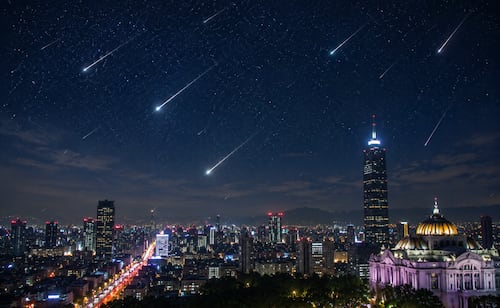
 Image: Especial
Aurigid meteor shower: How to watch September’s subtle celestial display
Translated from Spanish and summarized by DistantNews. Read the original for the full story.
At a glance
Explainer
Named sources
Context piece
- The Aurigid meteor shower remains visible from August 31 to September 5 and is easiest to observe before dawn in the Northern Hemisphere.
- The shower could produce up to six meteors per hour, although clouds, rain and moonlight may reduce sightings.
- Astronomers recommend dark locations away from light pollution and manual camera settings for photography.
September begins with the little-known Aurigid meteor shower, a subtle celestial event that may still surprise skywatchers with beautiful flashes.
NASA says the Aurigids originate from Comet Kiess, discovered in 1935 by American astronomer Carl Clarence Kiess. The comet is named C/1911 N1 Kiess in recognition of that discovery.
Some experts classify the shower as weak because it produces relatively few meteors each hour. Its viewing window runs from August 31 through September 5, with the best visibility in the Northern Hemisphere before dawn.
Observers should choose a rural or otherwise dark location away from light pollution. A tree or building can help block moonlight while leaving much of the sky visible. This year’s shower could produce up to six meteors per hour, although clouds, rain and the Moon’s brightness may reduce the number seen.
For photographs, experts recommend disabling automatic focus and exposure on phones and cameras. Settings should be adjusted manually according to the moonlight and surrounding lights. A telescope may also help observers obtain a clearer view of the night sky.
About this summary
Originally published by El Universal in Spanish. Translated, summarized, and contextualized automatically by DistantNews, with a note on how the source frames the story. Not individually reviewed before publishing. How this works.
More Stories


From Our Blog

What Press Freedom Means for the News You Read

What Gets Lost (and Found) When News Is Translated

The Critical Role of Diaspora Media in Global News

What Travellers Should Know About Countries with Restricted Press

A Digital Nomad's Guide to Following Local News
