

Austria considers prosecutor reform amid criticism
Translated from German, summarized and contextualized by DistantNews.
At a glance
News
Sources not specified
Context piece
- Austria is considering a reform of the federal prosecutor's office to prevent political influence.
- The proposed reform faces criticism from justice officials who deem it unworkable and prefer the status quo.
- Proponents argue the reform ensures democratic legitimacy and transparency in appointing prosecutors.
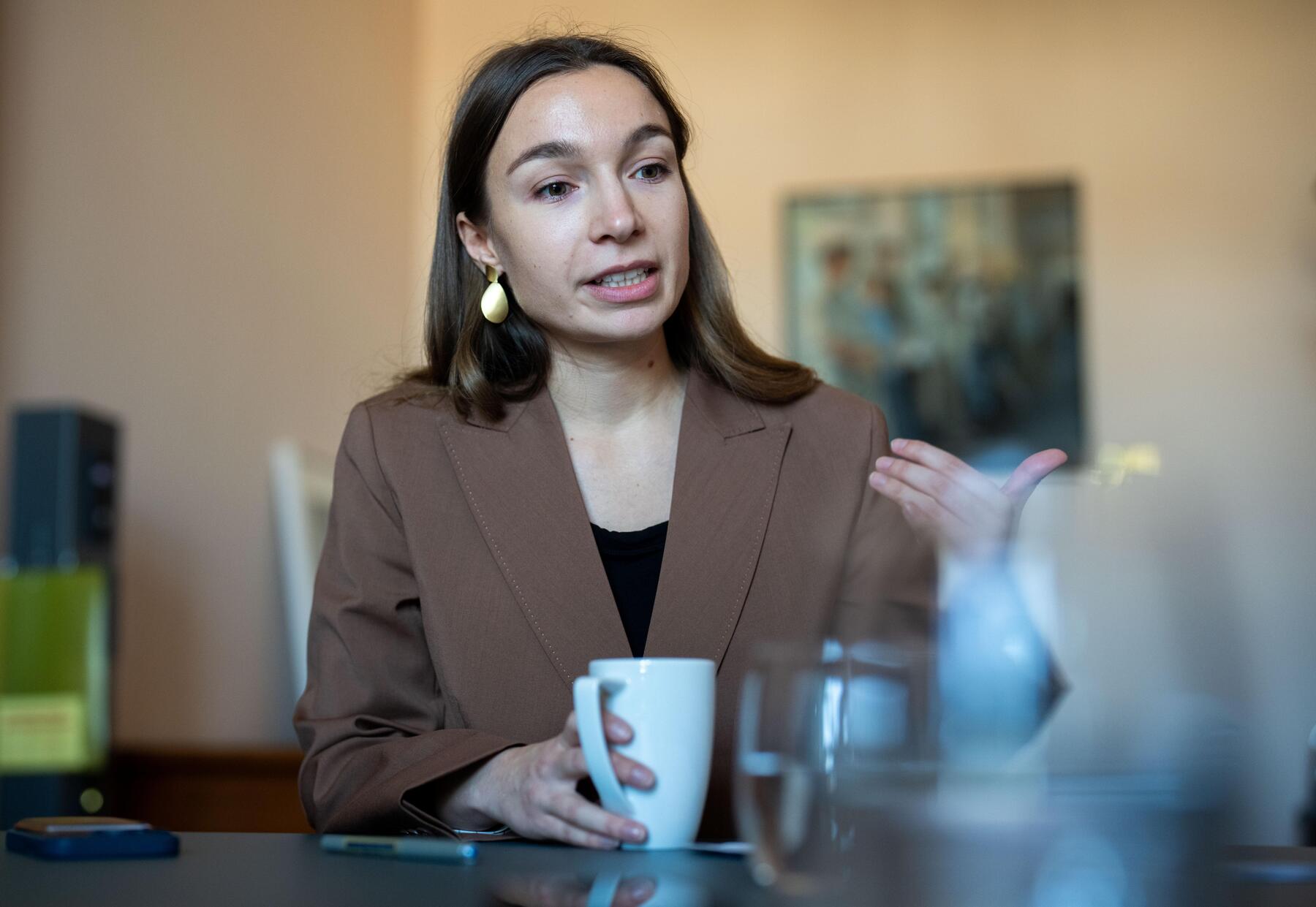
Austria is grappling with a proposed reform of its federal prosecutor's office, aimed at curbing political influence. The current system allows the justice minister to issue directives, potentially interfering with investigations. Neos party lawmaker Sophie Wotschke champions the reform, emphasizing the need to move away from such ministerial power.
It is clear that the status quo harbors the greatest danger regarding political influence. Currently, the minister can issue directives and thus intervene in investigative proceedings. We must move away from that.
However, the draft legislation has drawn sharp criticism from within the justice system. Chief Prosecutor Margit Wachberger described the reform as a "suicide mission," suggesting it's better to maintain the current structure if the proposed changes are not improved. Critics argue that while the intent is to prevent political meddling, the proposed appointment process for federal prosecutors, which involves parliamentary influence and the possibility of rejecting candidates without justification, is problematic.
If nothing changes in the planned form, one should stick with the status quo.
Wotschke defends the reform, stating that parliamentary involvement ensures democratic legitimacy and transparency, contrasting it with opaque ministerial appointments. She argues that the parliament would merely confirm a commission's proposal, and if rejected, the commission would reconsider. To prevent political deadlock, the reform includes provisions for extending the term of the incumbent prosecutor until a new appointment is made, ensuring the office remains functional.
In a democracy, lines of command must be democratically legitimized. The prosecution authority must not be a black box.
The debate highlights a fundamental tension between ensuring independent justice and maintaining democratic oversight. While Wotschke sees the criticism as a positive sign of engagement from those directly affected, the strong negative reactions underscore the deep divisions over how best to safeguard the integrity of the justice system.
A nomination by parliament does not happen behind closed doors, unlike a nomination by a minister. All parties will be involved.
DistantNews Editorial
Originally published by Die Presse in German. Translated, summarized, and contextualized by our editorial team with added local perspective. Read our editorial standards.
More Stories

From Our Blog

What Gets Lost (and Found) When News Is Translated

The Critical Role of Diaspora Media in Global News

What Travellers Should Know About Countries with Restricted Press

A Digital Nomad's Guide to Following Local News

How the Same Story Looks Different in Different Countries
