


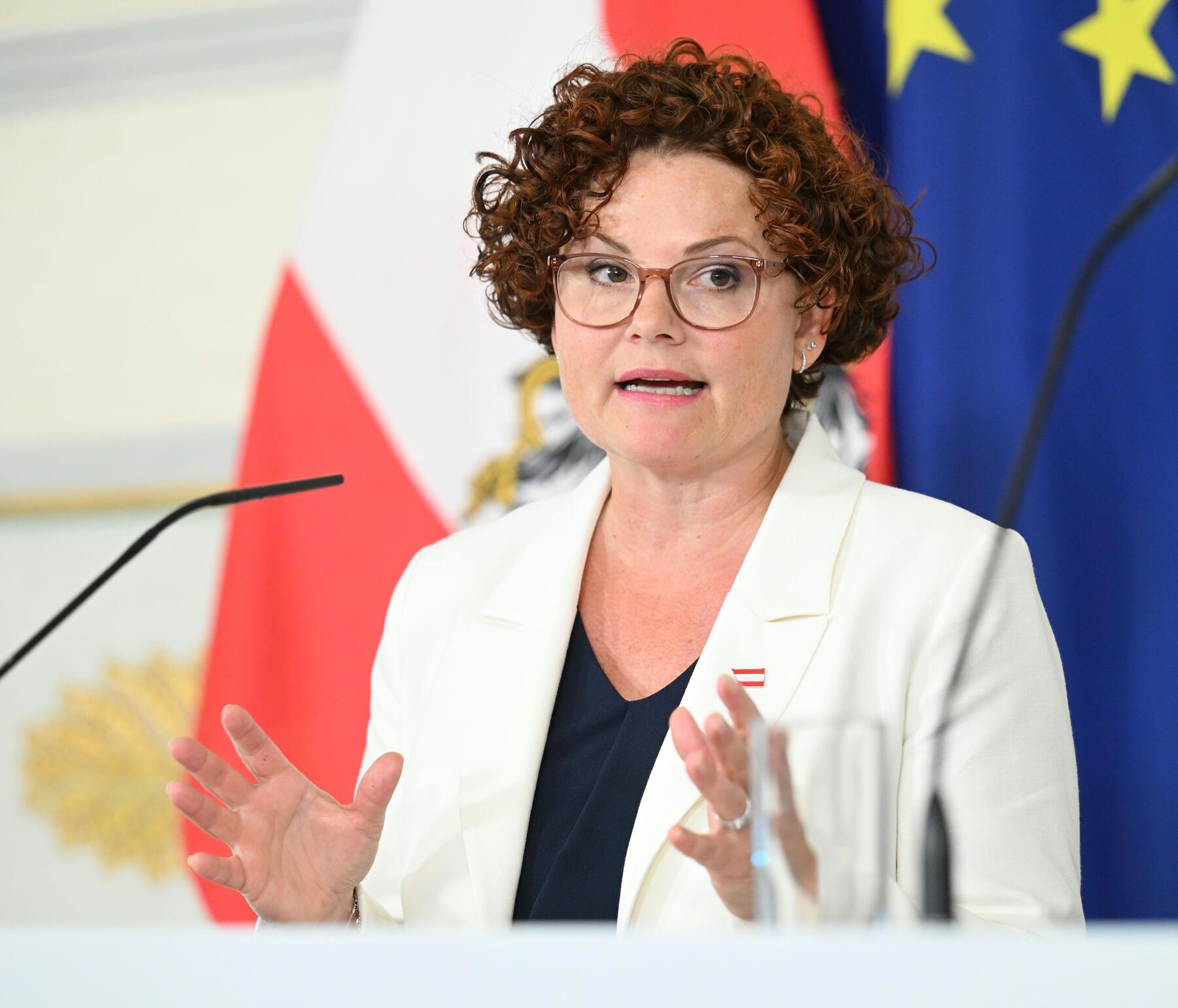
Austria defends energy plans against criticism of low savings
Translated from German, summarized and contextualized by DistantNews.
At a glance
News
From a news agency
Context piece
- Austrian Energy State Secretary Elisabeth Zehetner defended the government's plans to reduce electricity grid costs against criticism that they are too vague and insufficient.
- Critics argue the planned savings of 4.1 billion euros by 2040 are too low, representing only 8% of expected costs, and that potential savings of 20-25% are achievable through other measures.
- Zehetner countered that an 8% reduction is significant and highlighted government efforts to centralize energy policy, avoid duplicate infrastructure, and comply with EU regulations.
Austrian Energy State Secretary Elisabeth Zehetner has defended the government's proposed reforms to curb electricity grid costs, pushing back against criticism that the plans lack substance and that the projected savings are too modest. Critics, including former E-Control board member Walter Boltz, argue that the 4.1 billion euro savings target by 2040 is insufficient, representing only 8% of the anticipated 50 billion euro in grid costs. Boltz suggested that savings of 20-25% could be achieved through measures like adjusting equity returns and extending depreciation periods.
Zehetner countered that the 8% cost reduction is a "very clear" figure. She emphasized that extending depreciation periods is already planned in the new Electricity Economy Act from 2027. The state secretary also pointed to efficiency gains expected from the regulatory authority E-Control actively approving grid operator plans to prevent redundant infrastructure, such as duplicate lines across borders.
Furthermore, Zehetner advocated for consolidating energy responsibilities at the federal level. This move, she explained, would enable faster grid expansion and the implementation of crisis mechanisms without requiring a two-thirds majority. She cited eight ongoing EU infringement procedures in the energy sector, warning that failure to comply could result in billions in fines.
In a separate capacity as tourism state secretary, Zehetner also commented on a proposal to shift summer holidays due to heatwaves. She deemed a review of holiday schedules sensible but stressed the need for European coordination to potentially smooth out tourism demand and reduce travel-related issues throughout the year.
DistantNews Editorial
Originally published by Die Presse in German. Translated, summarized, and contextualized by our editorial team with added local perspective. Read our editorial standards.
More Stories

From Our Blog

What Gets Lost (and Found) When News Is Translated

The Critical Role of Diaspora Media in Global News

What Travellers Should Know About Countries with Restricted Press

A Digital Nomad's Guide to Following Local News

How the Same Story Looks Different in Different Countries
