


Austria Needs New Party for High Earners, Argues Opinion Piece
Translated from German, summarized and contextualized by DistantNews.
At a glance
Opinion
Sources not specified
Context piece
- The article argues Austria urgently needs a new political party to represent high earners.
- It criticizes existing parties for lacking excellence in leadership and for neglecting the interests of "better earners."
- The author suggests this group, including self-employed individuals and service providers, is politically unrepresented.
Austria is in urgent need of a new political party to represent the country's "better earners," according to an opinion piece in Die Presse. The author contends that despite a seemingly diverse political landscape with parties like the FPÖ, ÖVP, SPÖ, Greens, and Neos, there is a significant gap in representation for a specific demographic.
The article criticizes the current parliamentary parties for forming a "tacit cartel of mediocrity" in terms of leadership quality. It argues that while individual leaders might be assessed differently, there is a clear dominance of average performance and a distinct lack of excellence. The piece suggests that if a new party could find charismatic and politically astute leaders, it would address this personnel deficit.
Beyond leadership, the piece identifies a clear target group that is currently being ignored: "better earners." These are individuals who earn above average but are not considered "rich." This group often includes self-employed professionals in fields like digital services, therapy, marketing, coaching, entertainment, and media. The author laments that no current party politically represents their interests.
The article points to recent budget adjustments as an example, where this group was explicitly identified as a target for increased financial burdens. It states that many in this category will see their monthly income reduced by at least 1,000 euros due to changes in tax deductions and other new impositions. This situation is attributed to the "social democratisation" of other parties, particularly in economic policy, leading them to disregard the interests of their traditional "bourgeois" clientele.
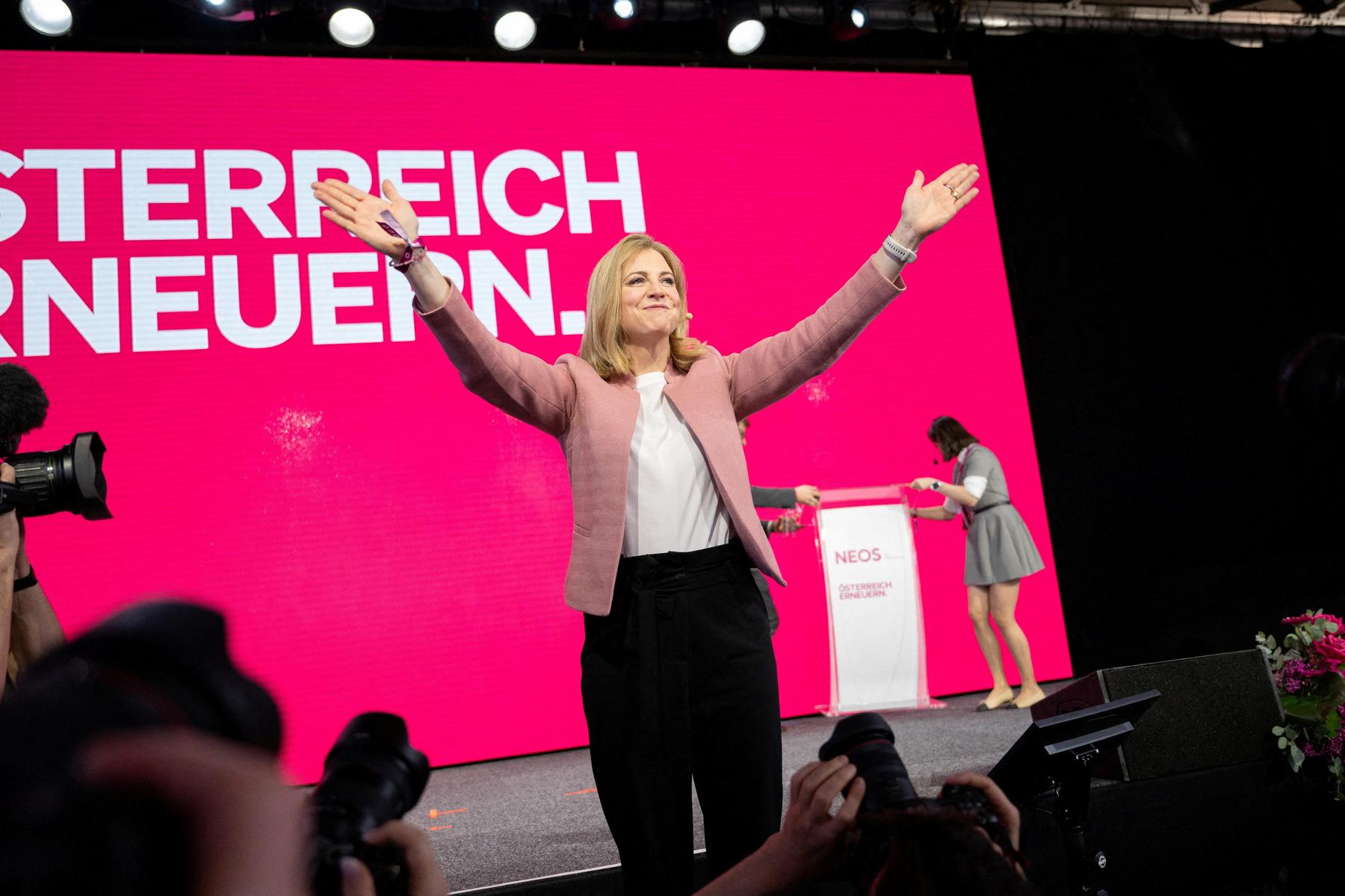
A particular disappointment highlighted is the Neos party, which the author claims has rapidly transformed from a reformist party into one of the "oldest" parties, failing to live up to its promise of "alternatives in dignity." The piece suggests that the rapid shift from a young, reform-minded entity to a power-focused establishment party has occurred remarkably quickly.
DistantNews Editorial
Originally published by Die Presse in German. Translated, summarized, and contextualized by our editorial team with added local perspective. Read our editorial standards.
More Stories


From Our Blog

What Gets Lost (and Found) When News Is Translated

The Critical Role of Diaspora Media in Global News

What Travellers Should Know About Countries with Restricted Press

A Digital Nomad's Guide to Following Local News

How the Same Story Looks Different in Different Countries
