


Austria's budget criticized as 'unambitious' by experts
Translated from German, summarized and contextualized by DistantNews.
At a glance
News
Named sources
New plan
- Experts criticized Austria's 2027-2028 budget, calling it "unambitious" and lacking necessary structural reforms.
- Concerns were raised about the government's ability to meet the deficit target of 3% of GDP by 2028.
- Economists called for reforms to address demographic challenges and stabilize the debt-to-GDP ratio.
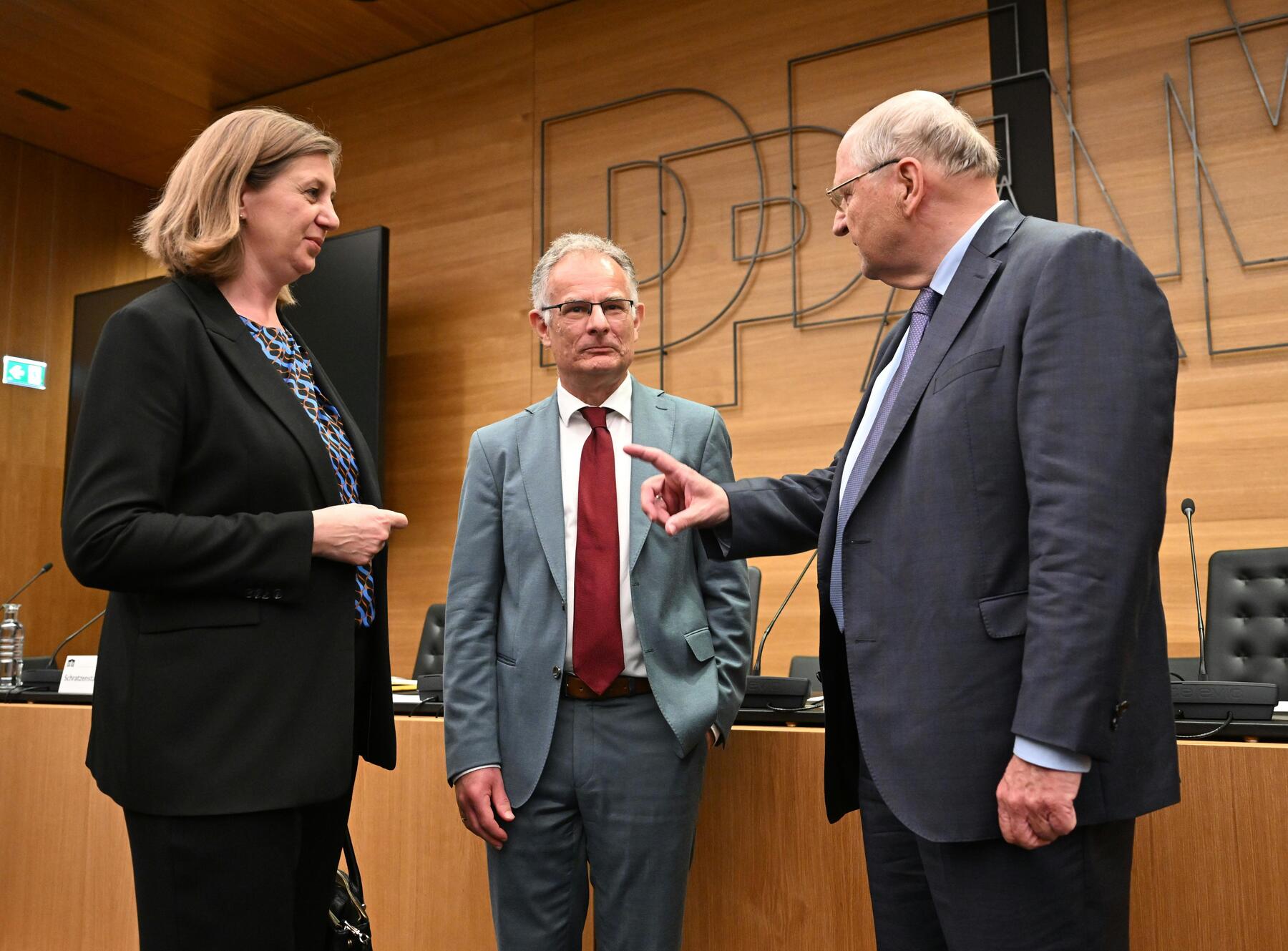
Austria's proposed budget for 2027 and 2028 has drawn criticism from economic experts who gathered for a parliamentary hearing. The consensus among those nominated by various political parties was that the budget lacks ambition and fails to address critical structural reforms needed for long-term fiscal health.
unambitious
Christoph Badelt, president of the Fiscal Council and nominated by the ÖVP (Austrian People's Party), praised the budget's consolidation efforts for not harming economic growth. However, he labeled the budget "unambitious" because it is unlikely to stabilize the debt-to-GDP ratio or reduce the deficit below the European Union's 3% threshold by 2028. Badelt stressed the urgency of implementing structural reforms to counteract future challenges posed by demographic changes.
Georg Feigl, an expert from the Austrian Trade Union Confederation (AK) nominated by the SPÖ (Social Democratic Party of Austria), offered a less critical view. He welcomed the moderate consolidation approach, which relies partly on revenue increases, and the expansion of social services. However, Feigl pointed out a "problematic" imbalance, noting that businesses would contribute little to consolidation in the medium term, while lower incomes would be disproportionately burdened, particularly through reduced unemployment insurance contributions. He expressed confidence that Austria would meet EU targets regarding expenditure growth, even if the deficit goal is missed.
demographic shock
Martin Gundinger from the Hayek Institute, nominated by the FPÖ (Freedom Party of Austria), presented a starkly pessimistic outlook. He argued that the budget cannot be considered a consolidation effort if the debt ratio continues to rise. Gundinger lamented the absence of major reforms, the continued growth of bureaucracy instead of its reduction, and the lack of preparation for future developments like artificial intelligence.
problematic
Wifo economist Margit Schratzenstaller, nominated by the Green Party, provided a more nuanced assessment. She deemed further consolidation measures sensible and welcomed initiatives in the labor market, early childhood education, and childcare, as well as reductions in ancillary wage costs. However, she regretted that none of these "offensive measures" were specifically aligned with Green Party priorities.
We cannot even speak of a consolidation of the budget if the debt ratio continues to rise.
DistantNews Editorial
Originally published by Die Presse in German. Translated, summarized, and contextualized by our editorial team with added local perspective. Read our editorial standards.
More Stories



From Our Blog

What Gets Lost (and Found) When News Is Translated

The Critical Role of Diaspora Media in Global News

What Travellers Should Know About Countries with Restricted Press

A Digital Nomad's Guide to Following Local News

How the Same Story Looks Different in Different Countries
