


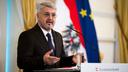
Austria's crisis coordinator: 'Situation stable, but medium-term challenging.' Calls for water saving
Translated from Croatian, summarized and contextualized by DistantNews.
At a glance
News
Sources not specified
Context piece
- Austria's national security and crisis coordinator, Peter Vorhofer, described the country's situation amid record heat and drought as "stable" but "medium-term challenging."
- He urged Austrians to conserve water and refrain from open fires due to a high risk of wildfires.
- While drinking water supplies are currently secure, isolated shortages are possible, and energy production from hydropower may be partially affected.
Austria is facing a challenging situation due to record-breaking heatwaves and severe drought, but the national security and crisis coordinator, Peter Vorhofer, stated the country's situation remains "stable" and under control. However, he cautioned that the outlook is "medium-term challenging."
Everyone who can save water, should do so.
Vorhofer called on the Austrian public to conserve water, emphasizing the need for responsible usage, particularly in rural areas. He also warned of a high risk of wildfires, urging citizens to strictly avoid lighting fires outdoors, especially in forests. Human activity is responsible for 85% of the 150 to 300 fires that occur annually, and the risk of populated areas being affected by fires is increasing.
Weather models indicate no significant relief from high temperatures or precipitation is expected throughout the year, with only November potentially offering an exception. A substantial improvement is not anticipated before Christmas. Despite 90% of water level monitoring stations showing very low groundwater levels, Vorhofer assured that there is currently no need to worry about drinking water supply. Isolated shortages in specific regions are possible but can be managed through compensatory measures.
This year's July was 2 degrees hotter than those from 1991 to 2020.
The extreme heat and drought also pose challenges for energy production. While energy security is guaranteed, some hydropower plants may operate at reduced capacity or cease operations due to insufficient cooling water. Water levels have decreased by approximately 19%. Vorhofer noted that Austria could potentially assist neighboring countries despite these conditions, highlighting the nation's resilience and preparedness.
The spring of 2026 was the poorest in precipitation.
DistantNews Editorial
Originally published by Večernji List in Croatian. Translated, summarized, and contextualized by our editorial team with added local perspective. Read our editorial standards.
More Stories


From Our Blog

What Gets Lost (and Found) When News Is Translated

The Critical Role of Diaspora Media in Global News

What Travellers Should Know About Countries with Restricted Press

A Digital Nomad's Guide to Following Local News

How the Same Story Looks Different in Different Countries
